
How Seniors Can Stay Active, Connected, and Independent. Growing older should never mean giving up independence, meaningful relationships, or an active lifestyle. Around the world, families are searching for better ways to help aging parents remain healthy, socially engaged, financially secure, and connected to the communities they have helped build throughout their lives. As life expectancy continues to increase, conversations about healthy aging, independent living, preventive healthcare, mobility, caregivers, retirement planning, wellness programs, community support, nutrition, transportation services, pharmacies, and trusted local businesses have become increasingly important. The question of How Seniors Can Stay Active, Connected, and Independent is no longer answered by healthcare alone. Instead, successful aging depends on an entire community working together to provide reliable services, meaningful relationships, and everyday opportunities that encourage confidence and participation. Families want reassurance that their loved ones are making safe choices, while older adults want the freedom to continue living life on their own terms. TapSenior helps bridge these goals by connecting seniors with participating businesses through the Family+ card network. Rather than offering benefits from only one company, the network encourages seniors to interact with trusted businesses while earning redeemable reward points that can be used throughout participating organizations. This approach supports stronger local communities, encourages active lifestyles, increases financial value, and helps businesses build lasting relationships with senior customers. When communities collaborate instead of operating independently, everyone benefits. Seniors enjoy greater convenience and confidence, businesses welcome loyal customers, and families experience greater peace of mind knowing that the people they care about remain connected to reliable services designed to support healthy and independent living.

Why Staying Active Becomes More Important with Age
Remaining active is one of the strongest predictors of healthy aging.
Physical activity supports mobility.
Mental engagement strengthens cognitive health.
Community participation reduces loneliness.
Regular routines encourage confidence.
Unfortunately, many seniors gradually reduce their activities because everyday tasks become more difficult. Transportation challenges, uncertainty about trustworthy services, financial concerns, and reduced social opportunities often discourage older adults from participating in the community as frequently as they once did.
Families notice these changes.
Parents who once enjoyed shopping, dining with friends, attending appointments, or participating in local events may slowly spend more time at home.
While occasional rest is natural, long periods of isolation may negatively affect both physical and emotional well-being.
Helping seniors remain active requires removing unnecessary barriers rather than limiting independence.
Families Want Independence Without Worry
One of the greatest challenges for adult children is balancing respect for independence with concern for safety.
Parents usually want to continue making their own decisions.
Children naturally want reassurance.
This balance becomes difficult when families live in different cities or maintain demanding careers.
Questions arise almost every day.
Is Dad keeping his medical appointments?
Has Mom found trustworthy businesses?
Are they staying socially connected?
Are they managing expenses wisely?
Families cannot accompany parents everywhere.
Instead, they need reliable community support that complements family care without replacing it.
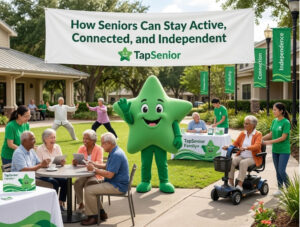
Independence Begins with Everyday Confidence
Independence is built through hundreds of small decisions made every week.
Choosing where to shop.
Scheduling appointments.
Visiting restaurants.
Using transportation.
Finding home services.
Managing finances.
Each positive experience reinforces confidence.
Each negative experience creates uncertainty.
Older adults become more willing to participate in community life when they trust the businesses and organizations around them.
Reliable services therefore become an important foundation for independent living.
The Value of Strong Community Connections
Communities play an essential role in helping seniors maintain meaningful lives.
Friendly business owners.
Knowledgeable healthcare providers.
Reliable transportation companies.
Local wellness centers.
Community organizations.
These connections encourage older adults to remain engaged instead of isolated.
When seniors feel welcomed wherever they go, they continue participating in activities that support physical, emotional, and social health.
Communities become stronger because older adults remain active contributors rather than becoming disconnected from everyday life.
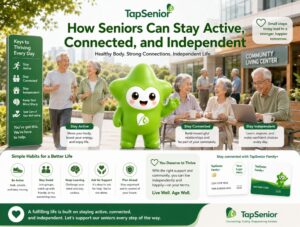
Social Connections Improve Quality of Life
Loneliness has become one of the most significant concerns affecting aging populations.
Retirement.
Changing family structures.
Reduced mobility.
Loss of lifelong friends.
These experiences may gradually reduce social interaction.
However, community engagement offers natural opportunities for meaningful conversations and relationships.
Visiting familiar businesses.
Meeting neighbors.
Speaking with trusted service providers.
Attending wellness appointments.
Dining locally.
Each interaction contributes to emotional well-being.
Social connections help seniors remain confident while encouraging continued independence.
Financial Security Supports Independence
Retirement often requires careful financial planning.
Many seniors manage fixed monthly incomes while facing rising living expenses.
Healthcare.
Transportation.
Groceries.
Home maintenance.
Personal care.
Daily necessities.
Every expense matters.
Finding additional value through everyday purchases helps stretch retirement budgets without reducing quality of life.
Reward systems become particularly valuable when they extend across multiple businesses rather than remaining limited to one company.
This flexibility allows seniors to enjoy practical financial benefits while continuing normal daily routines.

Why Trusted Businesses Matter
Older adults appreciate consistency.
Knowing what to expect creates confidence.
Businesses serving seniors influence much more than purchasing decisions.
They contribute to everyday experiences.
Friendly customer service.
Reliable appointments.
Clear communication.
Accessible environments.
Transparent pricing.
Respectful interactions.
These qualities encourage long-term relationships built upon trust instead of convenience alone.
Communities become healthier when businesses recognize their important role in supporting successful aging.
How TapSenior Encourages Active Living
Community participation becomes more rewarding through TapSenior.
The Family+ card connects seniors with participating businesses that understand the value of serving older adults.
As seniors purchase products or use services within the network, they accumulate reward points that may later be redeemed throughout participating businesses.
Instead of limiting rewards to one organization, the network creates flexibility that reflects how seniors actually live.
Healthcare appointments.
Dining experiences.
Transportation.
Retail shopping.
Wellness services.
Home support.
Many everyday activities become opportunities to receive additional value.
This approach encourages seniors to remain active while supporting businesses committed to serving their communities.

Helping Businesses Serve Seniors Better
Businesses also benefit from stronger community relationships.
Participating organizations become easier for seniors to discover because customers naturally prefer earning rewards while receiving trusted service.
Instead of relying exclusively on advertising, businesses gain visibility through an expanding community network.
Customer loyalty becomes stronger because relationships extend beyond individual transactions.
Businesses begin viewing one another as partners instead of competitors.
When one business introduces a customer into the network, that relationship continues benefiting participating organizations throughout the community.
Everyone contributes to shared success.
Everyday Activities Become More Rewarding
Many healthy habits already exist within seniors’ daily routines.
Scheduling preventive care.
Visiting pharmacies.
Dining with family.
Shopping locally.
Using transportation.
Maintaining wellness appointments.
Rather than requiring dramatic lifestyle changes, community-based reward systems simply add greater value to activities already taking place.
This encourages consistency while supporting healthier routines over time.
Small rewards accumulate into meaningful benefits.
Building Confidence Through Familiar Experiences
Confidence develops through repetition.
Returning to businesses where staff members recognize customers.
Receiving consistent service.
Knowing appointments begin on time.
Understanding reward programs.
Feeling appreciated.
These experiences reduce uncertainty while encouraging seniors to continue participating within their communities.
Families also gain confidence because they know parents regularly interact with businesses committed to serving older adults professionally and respectfully.
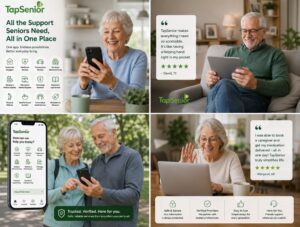
Supporting Independence Without Creating Complexity
Technology offers tremendous opportunities for improving senior services.
However, complicated systems may discourage participation.
Older adults generally appreciate solutions that remain practical and easy to understand.
Community-centered programs succeed because they simplify everyday life rather than adding unnecessary complexity.
The Family+ card represents this philosophy by making participation straightforward while encouraging long-term engagement with trusted businesses.
Instead of managing multiple unrelated memberships, seniors participate within one connected network that provides value across many aspects of everyday living.
Healthy Aging Is a Community Effort
The future of aging depends upon collaboration.
Families provide emotional support.
Healthcare professionals deliver medical expertise.
Businesses create positive customer experiences.
Community organizations encourage participation.
Technology strengthens connections.
Each group contributes something valuable.
How Seniors Can Stay Active, Connected, and Independent is therefore answered not by one organization but through cooperation among everyone committed to helping older adults enjoy fulfilling, confident, and meaningful lives.
Strengthening Emotional Well-Being Through Connection
Emotional well-being is often the most overlooked part of aging, yet it plays a central role in how seniors experience daily life. When older adults feel connected to others, they tend to remain more motivated, more active, and more confident in making everyday decisions. On the other hand, isolation can slowly reduce energy, increase anxiety, and limit participation in community life.
Many families do not immediately notice emotional changes because they often develop gradually. A parent who once enjoyed going out may begin declining invitations. A senior who regularly interacted with neighbors may slowly reduce conversations. These subtle shifts can accumulate over time and lead to deeper feelings of loneliness.
Community-based engagement helps reverse this pattern naturally. When seniors regularly interact with trusted local businesses, service providers, and familiar community members, they maintain a sense of belonging. Even brief daily conversations at a pharmacy, café, clinic, or local shop can have a meaningful impact.
These interactions are not just transactional. They reinforce identity, confidence, and emotional stability.
The Role of Routine in Independent Living
Routine is one of the strongest foundations of independence for older adults. A consistent schedule helps seniors manage their time, remember important tasks, and maintain physical and mental stability.
Simple routines such as weekly grocery shopping, regular medical appointments, exercise sessions, and social outings help structure the day. However, disruptions in transportation, uncertainty about service quality, or lack of trusted providers can break these routines and reduce independence over time.
Reliable service access ensures that routines remain intact. When seniors know they can depend on transportation, healthcare providers, and local businesses, they are more likely to continue living independently in their own homes.
This stability reduces stress for both seniors and their families.
Transportation as a Key Factor in Independence
Transportation is often one of the biggest barriers to active aging. Even seniors who are physically healthy may face challenges driving long distances, navigating traffic, or dealing with unfamiliar routes.
Without reliable transportation, many older adults gradually reduce their community involvement. Medical appointments may be postponed. Social visits become less frequent. Shopping trips become difficult.
Reliable transportation services restore independence by ensuring seniors can move safely and confidently within their communities. Whether traveling to healthcare appointments, visiting family, or attending social activities, access to dependable transport keeps seniors engaged in daily life.
When transportation is integrated into a community support system, it becomes part of a larger network that promotes mobility, confidence, and participation.
Healthcare Access and Preventive Care
Healthcare remains essential for maintaining independence, but access is just as important as treatment itself. Seniors need reliable providers who understand their medical history, communicate clearly, and offer consistent follow-up care.
Preventive care is especially important because it helps identify potential health issues early. Regular check-ups, screenings, and wellness visits reduce the risk of complications that could limit independence later.
However, healthcare alone is not enough if seniors cannot easily access clinics, pharmacies, or rehabilitation services. This is why community-based systems that connect healthcare providers with transportation, wellness centers, and supportive local businesses create stronger outcomes for aging populations.
Reliable healthcare access ensures that seniors can continue living active and independent lives for as long as possible.
Reducing Stress Through Reliable Services
Uncertainty is one of the biggest sources of stress for older adults.
Will the service arrive on time?
Is the provider trustworthy?
Will the cost be fair?
Will the experience be safe?
When these questions remain unanswered, seniors may begin avoiding certain activities altogether. This can lead to reduced independence and increased isolation.
Reliable service networks reduce this stress by creating predictability. When seniors know they are interacting with trusted providers, they can make decisions with confidence rather than hesitation.
This sense of security encourages continued engagement in daily life.
How Community Networks Improve Daily Living
A strong community network brings together multiple types of services into one connected system. Instead of searching separately for healthcare, transportation, dining, or home services, seniors gain access to a trusted group of participating providers.
This reduces confusion and simplifies decision-making.
More importantly, it ensures that each interaction contributes to a larger ecosystem of support.
Seniors benefit from consistency.
Businesses benefit from loyalty.
Families benefit from reassurance.
Communities benefit from stronger local engagement.
How TapSenior Supports Active, Connected, and Independent Living
This is where TapSenior plays a meaningful role in strengthening community connections.
Through the Family+ Card system, seniors are connected to a growing network of participating businesses that prioritize service quality, trust, and long-term relationships.
Instead of dealing with isolated reward programs, older adults earn points across multiple services and businesses. These points can then be used within the same network, creating practical financial value that supports everyday living.
What makes this model powerful is its flexibility. Seniors are not restricted to one provider or one category of service. They can continue living their normal lives while still benefiting from a connected reward system that recognizes their participation in the community.
If a business introduces a senior to the network by issuing a Family+ card, that business also benefits when the senior continues using other participating services. This creates a cycle of mutual support where businesses grow together rather than competing in isolation.
Families also gain peace of mind knowing their loved ones are engaging with trusted services that are part of a structured and reliable ecosystem.
Supporting Seniors Without Reducing Independence
One of the most important principles of aging support is respecting independence. Seniors do not want to feel controlled or restricted. Instead, they want tools and systems that make life easier without removing personal choice.
Community-based systems achieve this balance by offering support without interference. Seniors still choose where to go, what to buy, and which services to use. The system simply ensures that their choices are safer, more reliable, and more rewarding.
This approach preserves dignity while enhancing quality of life.
Strengthening Relationships Between Generations
When seniors remain active and connected, relationships between generations become stronger. Grandchildren benefit from shared experiences. Adult children experience less stress. Seniors feel more valued and included in family life.
Community support systems reduce the burden on families while increasing opportunities for positive interaction. Instead of focusing only on care responsibilities, families can focus on spending meaningful time together.
This shift improves emotional well-being across all generations.
A Future Built on Connected Communities
As populations continue to age, the importance of reliable services will only increase. Communities that invest in connection, trust, and collaboration will be better prepared to support older adults in the future.
Healthcare providers, local businesses, transportation services, wellness centers, and community organizations must continue working together to create environments where seniors can thrive.
Technology will play a key role in connecting these systems, but the foundation will always remain human relationships built on trust and consistency.
Final Reflection
How Seniors Can Stay Active, Connected, and Independent is ultimately about more than services or programs. It is about building communities where older adults feel supported, valued, and included.
When reliable services are accessible, seniors gain confidence in their daily decisions. When communities work together, families feel reassured. When businesses collaborate, everyone benefits.
Through TapSenior, this vision becomes more practical by connecting seniors with trusted businesses in a way that rewards participation, strengthens relationships, and encourages active living.
The result is a community ecosystem where independence is preserved, connection is strengthened, and aging becomes a supported, dignified, and fulfilling experience for everyone involved.
Bài viết liên quan: