
This is a Career in Caregiving with Senior Helpers. Caring for older adults is more than completing daily tasks or assisting with physical needs. It is about building trust, creating meaningful relationships, and helping someone maintain independence and dignity throughout every stage of aging. A career in caregiving offers an opportunity to improve lives while developing valuable personal and professional skills. Every visit, every conversation, and every small act of kindness contributes to making someone’s day brighter.
As populations continue to age across North America and many other parts of the world, the need for compassionate caregivers continues to grow rapidly. Families increasingly look for dependable professionals who can provide companionship, assistance with daily living, and emotional support to their loved ones. Organizations like Senior Helpers have helped demonstrate how caregiving can become a rewarding profession that combines flexibility, purpose, and long-term career opportunities.
For many people, becoming a caregiver is not simply finding another job. It becomes a mission centered around helping seniors live safely, comfortably, and happily in their own homes. Whether someone is entering the workforce for the first time, changing careers, returning to work after raising a family, or searching for meaningful employment after retirement, caregiving provides a path filled with human connection and personal fulfillment.
This article explores what it means to build a career in caregiving, the responsibilities involved, the benefits caregivers experience, the qualities that make exceptional caregivers, and why this profession continues to attract compassionate individuals who want to make a genuine difference every day.
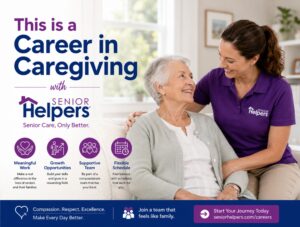
Understanding What Caregiving Really Means
Many people assume caregiving only involves assisting older adults with physical needs. While helping with mobility, meals, medication reminders, and household activities are certainly important, professional caregiving extends far beyond those responsibilities.
A caregiver becomes a trusted companion.
A caregiver becomes a source of emotional encouragement.
A caregiver becomes someone families rely upon.
The best caregivers understand that seniors need respect, patience, independence, and meaningful social interaction just as much as practical assistance.
Every senior has unique needs.
Some simply require companionship.
Others need transportation to appointments.
Some need assistance preparing nutritious meals.
Others benefit from help with bathing, dressing, shopping, housekeeping, or medication reminders.
Professional caregivers adapt their support based on each individual’s lifestyle, preferences, and health conditions.
This personalized approach creates stronger relationships while helping older adults remain comfortable in familiar surroundings for as long as possible.
Why More People Are Choosing a Career in Caregiving
Healthcare careers have always been important, but caregiving has become one of the fastest-growing employment sectors.
Several factors contribute to this increasing demand.
The senior population continues growing.
People are living longer than previous generations.
Families often live farther apart.
Many older adults prefer aging in place rather than relocating to assisted living facilities.
These trends have created an ongoing need for qualified caregivers who can provide compassionate home care services.
Unlike many occupations, caregiving allows individuals to see the direct impact of their work every single day.
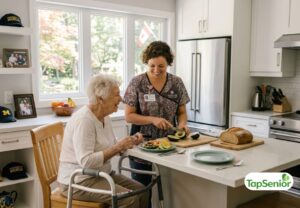
Helping someone enjoy lunch.
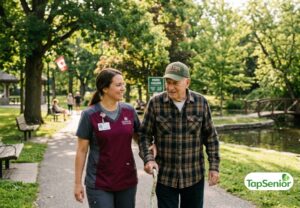
Walking together outside.
Assisting with grocery shopping.
Sharing stories from different generations.
Celebrating birthdays.
Supporting recovery after illness.
These seemingly ordinary moments become extraordinary because they improve someone’s quality of life.
Many caregivers describe this profession as one of the most emotionally rewarding careers available.
Every Day Brings an Opportunity to Make a Difference
One of the strongest messages associated with caregiving is the idea that every day matters.
Unlike office jobs where accomplishments may feel distant or abstract, caregivers witness immediate positive outcomes.
Helping a senior safely walk outdoors encourages physical activity.
Preparing a favorite meal creates comfort and familiarity.
Listening patiently reduces loneliness.
Helping someone regain confidence after surgery builds independence.
These daily successes may appear small individually, but together they significantly improve overall well-being.
Older adults often remember caregivers not because of one major event but because of consistent kindness shown over weeks, months, or even years.
Simple conversations become treasured memories.
Regular visits become anticipated highlights of the week.
The caregiver becomes someone who brings positivity into everyday life.
Building Meaningful Relationships
One of the most rewarding aspects of caregiving is developing genuine relationships.
Unlike many service-based professions where interactions remain brief, caregivers often spend several hours with the same clients regularly.
Over time, trust naturally develops.
Caregivers learn about seniors’ life experiences.
Military service.
Career accomplishments.
Family traditions.
Favorite hobbies.
Historical events they witnessed.
Personal achievements.
Likewise, seniors become interested in their caregivers’ lives as well.
The relationship evolves into mutual respect rather than a one-sided service arrangement.
Families also appreciate these strong connections.
Knowing their loved one is cared for by someone who genuinely enjoys spending time with them provides tremendous peace of mind.
Helping Seniors Maintain Independence
Many older adults worry that accepting assistance means losing independence.
Professional caregivers actually help preserve independence.
Instead of doing everything for seniors, skilled caregivers encourage participation whenever possible.
Rather than preparing every meal alone, they invite seniors to assist with simple cooking tasks.
Instead of pushing a wheelchair unnecessarily, they encourage walking safely when appropriate.
Rather than making every decision, caregivers involve seniors in planning daily activities.
This supportive approach strengthens confidence while maintaining dignity.
Independence is not about doing everything alone.
It is about having the support necessary to continue living life according to personal preferences.
The Importance of Compassion
Technical skills can be taught.
Compassion cannot.
Exceptional caregivers naturally demonstrate empathy.
They understand that aging often involves significant life transitions.
Retirement.
Loss of lifelong friends.
Health changes.
Reduced mobility.
Memory challenges.
Adjusting to these experiences requires emotional resilience.
Compassionate caregivers recognize these difficulties without making seniors feel helpless.
Instead, they provide encouragement while respecting personal choices.
Sometimes the most valuable support involves simply sitting together, listening carefully, and offering genuine companionship.
Communication Makes All the Difference
Effective caregiving depends heavily on communication.
Caregivers communicate with seniors.
They communicate with family members.
They communicate with healthcare professionals.
They communicate with supervisors.
Clear communication helps ensure continuity of care while preventing misunderstandings.
Active listening also plays an essential role.
Many seniors simply want someone willing to hear their stories.
Sharing memories provides emotional comfort while strengthening social engagement.
Good caregivers know when to speak, when to encourage, and when simply being present matters most.
Assisting with Daily Activities
A caregiver’s daily responsibilities vary based on each individual’s needs.
Common responsibilities often include:
Personal care assistance
Helping with bathing, grooming, dressing, and hygiene while preserving dignity.
Meal preparation
Preparing nutritious meals based on dietary preferences and medical recommendations.
Medication reminders
Helping seniors remember scheduled medications without replacing licensed medical professionals.
Light housekeeping
Keeping living spaces organized, clean, and safe.
Transportation support
Assisting with medical appointments, grocery shopping, social activities, and community events.
Companionship
Providing conversation, games, reading, walks, hobbies, and emotional support.
These services allow seniors to continue enjoying familiar routines within their own homes.

The Value of Flexible Work Schedules
One attractive feature of caregiving is scheduling flexibility.
Many caregiving organizations offer multiple scheduling options.
Morning shifts.
Evening shifts.
Weekend opportunities.
Part-time positions.
Full-time employment.
Live-in care arrangements.
This flexibility benefits students, parents, retirees seeking supplemental income, and individuals balancing multiple responsibilities.
Being able to choose schedules that fit personal lifestyles makes caregiving accessible to people from many different backgrounds.
Flexibility also contributes to better work-life balance, allowing caregivers to continue pursuing education, family commitments, or personal interests while building meaningful careers.
Continuous Learning Creates Better Caregivers
Healthcare evolves continuously.
Professional caregivers continue learning throughout their careers.
Training programs frequently cover:
Dementia awareness.
Alzheimer’s care techniques.
Fall prevention.
Safe mobility assistance.
Emergency preparedness.
Communication strategies.
Nutrition.
Infection prevention.
Mental wellness.
Professional ethics.
Ongoing education builds confidence while improving care quality.
Many caregivers discover they enjoy learning new skills that enhance both professional performance and personal development.
Confidence grows with experience.
Each new client presents opportunities to expand knowledge and strengthen caregiving abilities.
Confidence Comes Through Experience
No caregiver begins as an expert.
Every experienced professional started by learning the fundamentals.
With proper orientation, mentorship, and practical experience, caregivers become increasingly comfortable handling diverse situations.
Confidence develops gradually.
Learning how to safely assist mobility.
Understanding individual routines.
Recognizing changing health conditions.
Communicating effectively with families.
Managing unexpected challenges calmly.
Organizations that invest in caregiver education create stronger teams while improving outcomes for seniors.
A supportive work environment encourages caregivers to ask questions, continue improving, and feel prepared for future responsibilities.
Supporting Families Along the Journey
Caregiving extends beyond assisting seniors alone.
Family members also benefit significantly.
Adult children often balance careers, parenting, and caregiving responsibilities simultaneously.
Professional caregivers reduce stress by providing dependable support.
Families gain reassurance knowing someone trustworthy is checking on their loved one regularly.
Caregivers also provide valuable observations.
They may notice changes in appetite.
Mood.
Mobility.
Sleep patterns.
Memory.
Reporting these observations helps families respond proactively before small concerns become larger health issues.
Open communication strengthens partnerships between caregivers and families.
Everyone works toward the shared goal of improving the senior’s quality of life.
Emotional Rewards That Cannot Be Measured
Financial compensation is important, but caregivers frequently describe emotional fulfillment as the profession’s greatest reward.
A smile from someone who had a difficult morning.
A heartfelt thank-you.
Watching a client regain confidence after rehabilitation.
Celebrating birthdays together.
Receiving a handmade holiday card.
Listening to stories spanning decades.
These experiences create lasting memories.
Many caregivers develop lifelong friendships with both clients and their families.
The impact extends both directions.
Caregivers improve seniors’ lives.
Seniors enrich caregivers’ lives through wisdom, gratitude, resilience, and unforgettable life lessons.
Making Everyday Moments Meaningful
One remarkable aspect of caregiving is that meaningful moments often arise from ordinary activities.
Taking a walk through the neighborhood.
Shopping together at the grocery store.
Preparing a favorite family recipe.
Looking through old photo albums.
Watching classic movies.
Gardening.
Completing puzzles.
Reading books aloud.
These shared experiences support cognitive stimulation, emotional wellness, and social engagement.
They remind seniors that life continues to offer joy regardless of age.
For caregivers, these activities become opportunities to strengthen relationships while promoting healthy aging.
Caregiving Is About Restoring Confidence
Many seniors experience uncertainty following illness, surgery, or declining mobility.
Professional caregivers help restore confidence through encouragement rather than dependency.
Instead of focusing on limitations, caregivers celebrate progress.
Walking a little farther.
Preparing breakfast independently.
Attending community events again.
Reconnecting with friends.
Every achievement reinforces self-confidence.
This positive mindset supports healthier aging while encouraging seniors to remain active participants in their own daily lives.
Caregivers become partners in helping individuals rediscover what they can accomplish rather than dwelling on what has changed.
Caregiving Creates a Sense of Belonging
One of the most meaningful aspects of working as a caregiver is becoming part of something larger than yourself. While the day-to-day responsibilities are centered around supporting seniors, caregivers also become members of a compassionate community dedicated to improving lives.
Whether working independently or as part of an established home care organization, caregivers rarely work alone. They communicate with supervisors, nurses, care coordinators, therapists, and family members to ensure every senior receives personalized support.
This collaborative environment creates a sense of belonging. Instead of feeling like an employee completing assignments, caregivers become trusted professionals whose opinions and observations are valued.
Being part of a supportive caregiving team also reduces stress. Experienced colleagues share advice, celebrate successes, and help solve challenges together. This teamwork ultimately leads to better outcomes for seniors while creating a more enjoyable work environment.
Every Senior Has a Unique Story
One reason caregiving never becomes repetitive is that every client has lived a completely different life.
Some seniors spent decades as teachers.
Others served in the military.
Many owned businesses.
Some raised large families.
Others traveled the world.
Many overcame incredible hardships.
These life experiences become valuable conversations that enrich both caregiver and client.
Listening to personal stories helps caregivers understand individual personalities, routines, preferences, and values. That understanding allows care plans to become truly personalized rather than following a one-size-fits-all approach.
Older adults appreciate being treated as individuals rather than patients.
Simple questions such as:
“What was your favorite vacation?”
“What kind of work did you enjoy?”
“Tell me about your family.”
often open the door to meaningful conversations that strengthen trust.
The Importance of Respect and Dignity
Every person deserves to age with dignity.
Professional caregivers understand that maintaining dignity is just as important as providing physical assistance.
This means respecting privacy.
Encouraging personal choices.
Protecting independence.
Listening without judgment.
Explaining each task before providing assistance.
Seeking permission whenever possible.
Treating seniors with patience and kindness.
Even small actions can communicate respect.
Addressing someone by their preferred name.
Allowing extra time during daily routines.
Including seniors in decisions about meals or activities.
Recognizing lifelong habits and traditions.
These thoughtful approaches help older adults maintain confidence while receiving the support they need.
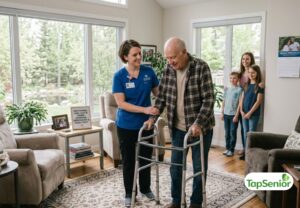
Helping Seniors Stay Connected
Loneliness has become one of the biggest challenges facing many older adults.
Family members may live far away.
Friends may no longer be able to travel.
Health conditions can limit social activities.
Caregivers play a vital role in reducing social isolation.
They encourage conversations.
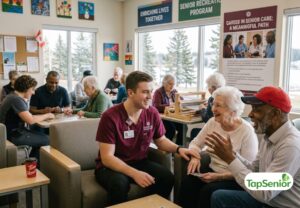
Accompany seniors to community events.
Help arrange video calls with family.
Support participation in hobbies.
Assist with shopping trips.
Enjoy walks in the neighborhood.
Celebrate birthdays and holidays together.
These interactions improve emotional well-being while reducing feelings of loneliness and anxiety.
Strong social connections contribute to healthier aging, better mental health, and improved overall quality of life.
Encouraging Healthy Daily Routines
Consistency helps seniors feel comfortable and secure.
Caregivers often assist in creating structured daily routines that include healthy habits.
Morning hygiene.
Balanced meals.
Medication reminders.
Light exercise.
Hydration.
Social activities.
Mental stimulation.
Relaxation.
Adequate sleep.
Following regular routines helps many seniors remain independent while reducing unnecessary stress.
Healthy routines also provide families with reassurance that loved ones receive dependable daily support.
Supporting Physical Wellness
Professional caregivers encourage healthy lifestyles in practical ways.
Preparing nutritious meals.
Encouraging regular movement.
Helping with stretching exercises.
Supporting safe walking routines.
Monitoring hydration.
Reducing fall risks throughout the home.
While caregivers are not physicians, their consistent presence allows them to notice gradual changes that families might otherwise miss.
Early recognition of decreased mobility, appetite changes, or unusual fatigue allows families to seek medical guidance sooner.
This proactive approach contributes to better long-term health outcomes.
Emotional Support Matters Just as Much
Physical care is only one part of caregiving.
Emotional care is equally important.
Many seniors experience life transitions including retirement, loss of independence, or the passing of lifelong friends and spouses.
Compassionate caregivers provide emotional stability through simple acts of kindness.
Listening attentively.
Offering encouragement.
Sharing laughter.
Celebrating achievements.
Creating enjoyable daily experiences.
Sometimes the greatest gift a caregiver offers is simply being present.
Knowing someone genuinely cares makes an enormous difference in emotional well-being.
Developing Valuable Professional Skills
A career in caregiving helps individuals develop transferable skills valuable across healthcare and many other professions.
These include:
Communication skills
Learning to communicate clearly with seniors, families, and healthcare professionals.
Problem-solving abilities
Finding practical solutions to everyday challenges.
Time management
Balancing multiple responsibilities while maintaining quality care.
Adaptability
Responding calmly to changing situations.
Leadership
Taking initiative while coordinating with care teams.
Empathy
Understanding individual needs through active listening and compassion.
These skills remain valuable throughout an entire professional career.
Career Growth Opportunities
Many people begin caregiving as an entry-level position but later discover numerous opportunities for advancement.
Some pursue additional certifications.
Others specialize in Alzheimer’s and dementia care.
Some become care coordinators.
Others enter nursing programs.
Many continue into occupational therapy, physical therapy, social work, or healthcare administration.
The experience gained through caregiving creates a strong foundation for many healthcare careers.
Understanding seniors’ daily needs provides practical knowledge that cannot always be learned in classrooms alone.
Why Families Appreciate Professional Caregivers
Families often carry significant responsibilities while caring for aging parents or grandparents.
Balancing employment, children, household responsibilities, and caregiving can become overwhelming.
Professional caregivers provide valuable support that benefits the entire family.
Parents gain peace of mind.
Adult children experience less stress.
Spouses receive needed respite.
Grandchildren enjoy more meaningful visits.
Knowing a compassionate professional is available allows families to focus on spending quality time together rather than constantly worrying about daily caregiving tasks.
The Growing Need for Home Care Services
The demand for home care services for seniors continues to increase every year.
Several factors contribute to this trend.
Longer life expectancy.
Growing senior populations.
Improved medical treatments.
A stronger preference for aging at home.
Increasing awareness of personalized in-home care.
These changes create stable employment opportunities for compassionate caregivers.
Unlike industries affected by automation, caregiving relies on human connection.
Technology can support caregivers, but it cannot replace empathy, kindness, patience, or genuine companionship.
Human relationships remain the heart of caregiving.
Flexibility Supports Different Lifestyles
Another reason many people choose caregiving is the ability to create schedules that match their lives.
Students can work evenings.
Parents may choose school-hour shifts.
Retirees often enjoy part-time opportunities.
Individuals changing careers can gradually transition into healthcare.
Flexible scheduling allows caregivers to maintain healthy work-life balance while continuing personal education, family commitments, or other professional goals.
This adaptability makes caregiving accessible to people from many backgrounds.
Training Builds Confidence
Quality caregiving organizations recognize that education never stops.
Ongoing learning helps caregivers remain confident while adapting to changing client needs.
Training may include:
Memory care techniques
Supporting individuals experiencing cognitive decline.
Fall prevention strategies
Creating safer home environments.
Safe transfer methods
Helping seniors move safely between beds, chairs, and vehicles.
Emergency preparedness
Responding appropriately during unexpected situations.
Professional communication
Working effectively with families and healthcare teams.
Continuous education improves both caregiver confidence and senior safety.
Technology Is Enhancing Caregiving
Modern caregiving increasingly incorporates technology that supports both caregivers and families.
Digital scheduling systems.
Electronic care documentation.
Medication reminder applications.
Video communication platforms.
Remote wellness monitoring.
These tools improve communication while allowing families to remain informed about loved ones.
Technology supports caregiving, but compassionate human interaction remains irreplaceable.
The combination of professional caregivers and helpful technology creates more effective and personalized care experiences.
Finding Purpose Through Service
Many careers provide financial stability.
Caregiving provides something more.
Purpose.
Every caregiver finishes the day knowing they helped another human being live more comfortably.
Perhaps they prepared a nutritious meal.
Perhaps they helped someone safely attend a doctor’s appointment.
Perhaps they simply listened during a difficult afternoon.
Purpose often comes from serving others.
Caregiving offers daily opportunities to experience that sense of purpose firsthand.
Becoming Someone Families Trust
Trust is earned through consistency.
Caregivers build trust by arriving on time.
Following care plans.
Communicating openly.
Respecting privacy.
Maintaining professionalism.
Showing compassion.
Over time, families begin viewing caregivers as trusted partners rather than outside service providers.
This trust creates stronger care relationships while improving overall experiences for seniors.
Qualities of Outstanding Caregivers
Exceptional caregivers often share several important characteristics.
Patience.
Compassion.
Reliability.
Honesty.
Positive attitudes.
Strong communication.
Adaptability.
Respect.
Attention to detail.
Willingness to continue learning.
While technical skills are important, personal character remains the foundation of excellent caregiving.
Kindness cannot be replaced by technology.
Empathy cannot be automated.
These qualities continue making caregivers invaluable members of every care team.
The Personal Rewards of Caregiving
Many caregivers describe their profession as life-changing.
They learn resilience.
They gain perspective.
They develop stronger communication skills.
They build meaningful friendships.
They witness extraordinary courage from older adults facing life’s challenges.
Caregivers often say they receive as much from their clients as they give.
Wisdom.
Life lessons.
Stories.
Gratitude.
Shared laughter.
These experiences leave lasting impressions that extend far beyond the workplace.
Building a Future in Caregiving
As communities continue searching for compassionate professionals to support aging populations, caregiving will remain one of the most meaningful and essential careers available.
Organizations dedicated to senior care continue investing in caregiver education, professional development, and supportive work environments because they recognize that exceptional care begins with exceptional caregivers.
For individuals seeking work that combines flexibility, stability, personal growth, and meaningful human connection, caregiving offers an outstanding career path.
Every visit has the potential to improve someone’s day.
Every conversation strengthens relationships.
Every act of kindness helps preserve dignity.
Every smile reminds caregivers why they chose this profession.
Final Thoughts
A career in caregiving is much more than employment it is a commitment to helping older adults live healthier, happier, and more independent lives. Whether assisting with daily routines, preparing meals, accompanying seniors on errands, or simply providing companionship, caregivers make a lasting impact through countless small moments of compassion.
Organizations like Senior Helpers demonstrate how professional caregiving can become both a fulfilling career and a meaningful way to serve others. By offering ongoing education, flexible schedules, supportive teams, and opportunities for professional growth, they help caregivers build confidence while delivering exceptional care.
As the need for professional senior care, in-home caregiving services, elderly companionship, home care for seniors, and caregiver careers continues to grow, more individuals are discovering that caregiving offers something many professions cannot a genuine opportunity to improve lives every single day.
At its heart, caregiving is about people.
It is about preserving dignity.
It is about encouraging independence.
It is about creating meaningful relationships.
Most importantly, it is about making every day matter for seniors, for families, and for the caregivers who proudly dedicate themselves to helping others live with comfort, confidence, and hope.
Bài viết liên quan: