
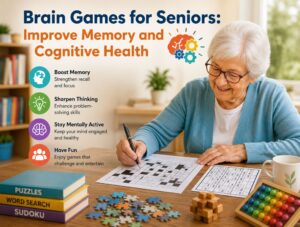
Brain Games for Seniors: Improve Memory and Cognitive Health. Growing older is a natural part of life, but aging does not have to mean losing mental sharpness. Many older adults continue to learn new skills, solve complex problems, and enjoy meaningful conversations well into their later years. While some changes in memory and processing speed are expected with age, research consistently shows that the brain remains capable of adapting and forming new connections throughout life. This remarkable ability, known as neuroplasticity, means seniors can actively support their cognitive health through regular mental stimulation. One of the most enjoyable and effective ways to achieve this is by incorporating brain games for seniors into daily routines. Whether solving puzzles, playing strategic board games, engaging in word challenges, or using digital cognitive training apps, these activities help strengthen memory, improve attention, encourage problem-solving, and support overall brain wellness. Combined with healthy habits such as regular exercise, quality sleep, balanced nutrition, and meaningful social interaction, memory exercises for seniors, cognitive training activities, mental fitness for older adults, brain health strategies, and healthy aging create a strong foundation for maintaining independence and enhancing quality of life.
Why Cognitive Health Matters as We Age
Cognitive health refers to the ability to think clearly, remember information, learn new skills, and make sound decisions. These abilities influence nearly every aspect of daily living, including:
- Managing medications
- Remembering appointments
- Following conversations
- Cooking safely
- Handling finances
- Driving responsibly
- Maintaining relationships
- Learning new technologies
As people age, some decline in processing speed and short-term memory is common. However, significant cognitive decline is not considered an inevitable part of aging.
Studies from organizations such as the National Institute on Aging and the Alzheimer’s Association suggest that lifestyle choices can play an important role in preserving brain function.
Regular mental stimulation may help:
- Improve working memory
- Enhance concentration
- Increase mental flexibility
- Build problem-solving skills
- Delay age-related cognitive decline
- Reduce feelings of boredom
- Promote confidence
- Encourage lifelong learning
Brain games are not a cure for dementia or Alzheimer’s disease, but they represent one valuable component of an overall brain-healthy lifestyle.
Understanding How the Aging Brain Works
The human brain contains billions of neurons that communicate through electrical and chemical signals. Throughout life, these neural pathways constantly change based on experiences and learning.
As people age, the brain may experience:
- Slower communication between neurons
- Reduced processing speed
- Mild forgetfulness
- Increased time needed to learn new information
- Difficulty multitasking
Fortunately, the brain also maintains the ability to create new neural connections.
When seniors challenge themselves with mentally stimulating activities, they encourage the brain to strengthen existing pathways while developing new ones.
This concept explains why lifelong learning remains beneficial regardless of age.

What Makes Brain Games Effective?
Not every game provides the same cognitive benefits.
The most effective brain games require active thinking rather than passive entertainment.
Good cognitive exercises often involve:
Memory Recall
Remembering words, numbers, images, or sequences strengthens short-term and long-term memory.
Pattern Recognition
Recognizing relationships between objects helps improve reasoning skills.
Strategic Thinking
Planning several moves ahead develops executive function.
Language Skills
Vocabulary games strengthen verbal fluency and communication.
Attention
Activities requiring sustained focus improve concentration.
Mental Flexibility
Changing strategies during games helps the brain adapt to new situations.
Together, these skills contribute to better everyday functioning.
Benefits of Brain Games for Seniors
Many seniors begin brain training simply because the activities are enjoyable. Over time, they often notice additional benefits extending far beyond the games themselves.
Improved Memory
Memory games encourage recalling names, locations, images, and details.
This regular practice helps strengthen retrieval pathways in the brain.
Older adults may find themselves remembering shopping lists more easily or recalling conversations with greater accuracy.
Better Concentration
Many games require players to remain focused for extended periods.
This improves attention span and reduces mental distractions.
Improved concentration can benefit reading, driving, hobbies, and social conversations.
Faster Problem Solving
Strategy games encourage evaluating multiple possibilities before making decisions.
This strengthens reasoning skills used in everyday life.
Increased Confidence
Successfully completing puzzles or learning new games gives seniors a sense of accomplishment.
Confidence often encourages continued learning and social participation.
Reduced Stress
Enjoyable games provide relaxation while engaging the mind.
Lower stress levels may indirectly support cognitive function by reducing chronic cortisol exposure.
Enhanced Social Connections
Many brain games involve family members or friends.
Shared activities reduce loneliness while stimulating meaningful conversations.
Greater Independence
Maintaining cognitive abilities helps older adults remain confident when managing daily responsibilities.
The Best Brain Games for Seniors
The ideal brain game depends on an individual’s interests, abilities, and physical health.
Fortunately, there are countless enjoyable options.
Crossword Puzzles
Crossword puzzles remain among the most popular mental exercises worldwide.
They improve:
- Vocabulary
- General knowledge
- Memory retrieval
- Verbal reasoning
- Pattern recognition
Crosswords become increasingly challenging as difficulty levels increase, making them suitable for lifelong practice.
Daily newspaper puzzles or online versions provide endless variety.
Sudoku
Sudoku requires logical reasoning rather than mathematics.
Players fill numbers into a grid while following specific rules.
Benefits include:
- Logical thinking
- Concentration
- Working memory
- Pattern recognition
- Attention to detail
Sudoku can be adjusted from beginner to expert levels.
Word Search
Word searches appear simple but provide meaningful cognitive exercise.
They strengthen:
- Visual scanning
- Focus
- Vocabulary
- Pattern recognition
Larger puzzles with themed word lists offer additional educational value.
Jigsaw Puzzles
Jigsaw puzzles challenge multiple areas of the brain simultaneously.
Players must evaluate:
- Shape
- Color
- Spatial relationships
- Visual memory
- Planning
Completing large puzzles also encourages patience and persistence.
Many seniors find puzzle-building deeply relaxing.
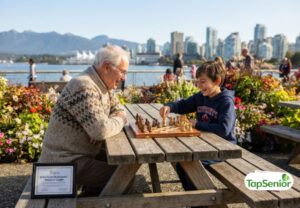
Chess
Chess has been studied extensively for its cognitive benefits.
The game develops:
- Strategic thinking
- Long-term planning
- Memory
- Concentration
- Decision making
Even beginners benefit from learning basic strategies.
Online chess platforms allow seniors to play opponents worldwide.
Checkers
While simpler than chess, checkers still develops:
- Planning
- Pattern recognition
- Decision making
- Focus
Its straightforward rules make it an excellent introduction to strategic gaming.
Card Games
Classic card games remain excellent cognitive exercises.
Examples include:
- Bridge
- Rummy
- Gin Rummy
- Hearts
- Solitaire
These games strengthen:
- Memory
- Probability estimation
- Strategy
- Attention
Bridge, in particular, has long been associated with lifelong cognitive engagement.
Mahjong
Mahjong combines memory, planning, observation, and strategy.
Research suggests that regular Mahjong players often experience improvements in social engagement alongside mental stimulation.
Its cultural significance also makes it an enjoyable family activity.
Dominoes
Dominoes encourage:
- Number recognition
- Planning
- Visual reasoning
- Strategy
The game remains easy to learn while offering endless variations.
Memory Matching Games
Traditional matching games involve turning cards over to find identical pairs.
Despite their simplicity, these games strengthen:
- Visual memory
- Attention
- Short-term recall
Difficulty can be increased by adding more cards.
Trivia Games
Trivia encourages recalling facts from long-term memory.
Topics may include:
- History
- Geography
- Music
- Movies
- Science
- Sports
- Nature
Playing in groups combines mental exercise with enjoyable conversation.
Scrabble
Scrabble challenges language skills while encouraging strategic thinking.
Players improve:
- Vocabulary
- Spelling
- Creativity
- Planning
The game remains popular among seniors because every session presents unique challenges.
Boggle
Boggle requires players to discover words hidden within a grid of letters.
The fast-paced format strengthens:
- Visual processing
- Vocabulary
- Rapid thinking
Time limits encourage mental agility.

Digital Brain Training Apps
Technology now provides access to thousands of cognitive exercises.
Popular categories include:
- Memory challenges
- Speed games
- Attention exercises
- Logic puzzles
- Language games
Although no single app guarantees dramatic cognitive improvement, regular practice offers enjoyable mental stimulation.
Many applications automatically adjust difficulty as users improve.
Learning New Skills Is One of the Best Brain Exercises
Games are valuable, but learning entirely new abilities may stimulate even broader areas of the brain.
Examples include:
- Learning a musical instrument
- Speaking a new language
- Painting
- Photography
- Computer skills
- Gardening techniques
- Cooking international recipes
Each new challenge creates opportunities for additional neural connections.
Social Brain Games Offer Extra Benefits
Isolation is associated with poorer cognitive outcomes in older adults.
Group games combine mental stimulation with emotional well-being.
Excellent group activities include:
- Bingo
- Trivia nights
- Book clubs
- Board game afternoons
- Puzzle competitions
- Card clubs
- Community learning classes
Social interaction encourages conversation, emotional support, and laughter, all of which contribute to healthy aging.
Physical Activity and Brain Function
Brain games become even more effective when combined with regular physical exercise.
Research consistently demonstrates that movement increases blood flow to the brain.
Activities may include:
- Walking
- Swimming
- Tai Chi
- Yoga
- Dancing
- Cycling
- Stretching
Exercise supports both cardiovascular health and cognitive performance.
Many experts recommend combining physical and mental activities whenever possible.
For example:
- Walking while discussing trivia
- Dancing while remembering choreography
- Gardening while planning layouts
- Playing tennis while tracking scores
These dual-task activities challenge multiple brain systems simultaneously.
Nutrition Plays a Critical Role in Brain Health
While brain games help exercise the mind, nutrition provides the building blocks the brain needs to function efficiently. The human brain consumes a significant portion of the body’s daily energy, and the quality of that energy directly affects concentration, memory, and learning.
A balanced eating pattern can support cognitive function throughout the aging process.
Foods commonly associated with better brain health include:
- Fatty fish rich in omega-3 fatty acids
- Leafy green vegetables
- Blueberries and other berries
- Nuts and seeds
- Whole grains
- Olive oil
- Beans and legumes
- Eggs
- Avocados
These foods contain nutrients that support healthy blood flow, reduce inflammation, and protect brain cells from oxidative stress.
Equally important is limiting foods that may negatively affect long-term health, including excessive sugar, highly processed snacks, and foods high in saturated fats.
Proper hydration is another frequently overlooked factor. Even mild dehydration can reduce concentration and increase feelings of fatigue, making cognitive tasks more difficult.
Combining healthy nutrition with brain games for seniors creates a stronger foundation for lifelong cognitive wellness.
Sleep Gives the Brain Time to Recover
Sleep is essential for memory consolidation. During sleep, the brain processes information learned throughout the day, strengthens important neural connections, and clears waste products that accumulate during waking hours.
Older adults often experience changes in sleep patterns, including lighter sleep and more frequent awakenings. However, maintaining good sleep habits remains one of the best ways to support cognitive health.
Healthy sleep practices include:
- Going to bed at the same time each night
- Limiting caffeine late in the day
- Reducing screen time before bedtime
- Keeping the bedroom quiet and comfortable
- Staying physically active during the day
- Avoiding large meals immediately before sleeping
Seniors who consistently get quality sleep may notice improvements in attention, memory, mood, and decision-making.
Build a Daily Brain Training Routine
One of the biggest misconceptions about cognitive training is that it requires hours of practice every day. In reality, consistency matters more than duration.
A simple daily routine can be both enjoyable and sustainable.
Morning
Begin the day with a crossword puzzle, Sudoku, or a short word game while enjoying breakfast.
Mid-Morning
Take a walk outdoors while observing surroundings. Challenge yourself to remember the names of streets, plants, or landmarks you pass.
Afternoon
Read a newspaper, magazine, or book. Afterwards, summarize what you learned without looking back at the text.
Evening
Play a board game, card game, or trivia challenge with family or friends.
Even 20 to 30 minutes of intentional mental stimulation each day can contribute to long-term cognitive engagement.

Match Brain Games to Different Cognitive Abilities
Every senior has unique strengths, interests, and health conditions. Selecting appropriate activities helps maintain motivation and prevents frustration.
For Beginners
Simple activities include:
- Word searches
- Matching games
- Easy jigsaw puzzles
- Picture recognition games
- Alphabet challenges
These activities build confidence while gently stimulating memory and attention.
Intermediate Level
Older adults looking for additional challenge may enjoy:
- Medium-level Sudoku
- Crossword puzzles
- Dominoes
- Scrabble
- Trivia games
- Card games
These require more strategic thinking while remaining accessible.
Advanced Cognitive Challenges
Highly engaged learners may prefer:
- Chess
- Complex logic puzzles
- Advanced Sudoku
- Learning foreign languages
- Music lessons
- Creative writing
- Coding basics
- Strategy-based video games
The goal is not perfection but continuous learning.
Brain Games for Seniors With Limited Mobility
Not every older adult can participate in physically active hobbies. Fortunately, many cognitive activities require little movement.
Excellent options include:
- Audiobooks followed by discussion
- Digital puzzle apps
- Voice-assisted trivia games
- Memory card games
- Storytelling exercises
- Journaling
- Family history projects
- Virtual museum tours
- Online educational classes
These activities provide meaningful stimulation regardless of mobility limitations.
Brain Games for Seniors Living With Mild Cognitive Impairment
Mild Cognitive Impairment (MCI) affects memory and thinking more than normal aging but does not necessarily progress to dementia.
Many individuals with MCI continue living independently.
Appropriate cognitive activities may include:
- Picture association games
- Name and face matching
- Familiar music recognition
- Simple card sorting
- Object categorization
- Guided puzzles
- Reminiscence therapy activities
Caregivers should prioritize enjoyment rather than competition.
Positive experiences encourage continued participation.
Family Participation Makes Brain Games More Meaningful
Brain training does not have to be a solitary activity.
Families can create valuable memories while supporting an older loved one’s cognitive health.
Ideas include:
- Weekly game nights
- Puzzle competitions
- Family trivia contests
- Story-sharing evenings
- Learning new recipes together
- Watching documentaries followed by discussion
- Building family trees
- Scrapbooking old photographs
These shared experiences strengthen emotional connections while stimulating multiple areas of the brain.
Community Programs That Encourage Mental Fitness
Many communities offer opportunities specifically designed for older adults.
Examples include:
- Library book clubs
- Community education classes
- Senior center game afternoons
- Volunteer organizations
- Art workshops
- Music groups
- Language exchange programs
- Walking clubs
- Technology classes
Participating regularly introduces new ideas, encourages friendships, and keeps the mind active.
Technology Can Expand Learning Opportunities
Modern technology has made lifelong learning more accessible than ever.
Older adults can now:
- Take university courses online
- Attend virtual museum tours
- Join online chess tournaments
- Practice languages with mobile apps
- Watch educational lectures
- Participate in virtual discussion groups
- Learn photography or painting online
Learning new digital skills also provides cognitive benefits by challenging memory, attention, and problem-solving.

Warning Signs That Should Not Be Ignored
Occasional forgetfulness is common with aging. However, some symptoms may indicate the need for medical evaluation.
Consult a healthcare professional if an older adult frequently experiences:
- Getting lost in familiar places
- Repeating the same questions many times
- Difficulty following conversations
- Problems managing finances
- Forgetting close family members
- Significant personality changes
- Poor judgment affecting safety
- Difficulty performing familiar daily tasks
Early evaluation allows healthcare providers to identify possible causes and recommend appropriate treatment or support.
Brain games should never replace professional medical care when cognitive symptoms become concerning.
Myths About Brain Games
Many misconceptions exist regarding cognitive training.
Myth 1: Brain Games Prevent Dementia
Current research does not support the claim that any single brain game can prevent dementia.
However, mentally stimulating activities remain an important part of an overall healthy lifestyle.
Myth 2: It’s Too Late to Start
The brain remains capable of learning throughout life.
Many seniors discover new hobbies well into their seventies, eighties, and beyond.
Myth 3: Only Difficult Games Help
The best game is one that encourages regular participation.
Consistency matters far more than complexity.
Myth 4: Digital Games Are Better Than Traditional Games
Both traditional and digital activities provide value.
The most beneficial choice is whichever encourages continued engagement.
Combining Healthy Habits for Maximum Brain Benefits
Brain games become most effective when integrated into a comprehensive wellness routine.
Experts generally recommend combining:
- Brain games for seniors
- Memory exercises for older adults
- Healthy nutrition
- Regular physical activity
- Social engagement
- Quality sleep
- Stress management
- Lifelong learning
- Routine medical checkups
- Good hearing and vision care
Each habit supports the others, creating a positive cycle that promotes healthy aging.
Frequently Asked Questions
How often should seniors play brain games?
Most experts recommend engaging in mentally stimulating activities several times each week. Daily practice of 20 to 30 minutes is an excellent goal, provided the activities remain enjoyable rather than stressful.
What are the best brain games for improving memory?
Crossword puzzles, memory matching games, Sudoku, chess, Scrabble, trivia games, and card games are among the most popular options. The ideal activity depends on personal interests and cognitive ability.
Can brain games reduce the risk of cognitive decline?
Brain games alone cannot guarantee protection against cognitive decline. However, when combined with regular exercise, healthy eating, social interaction, and adequate sleep, they may contribute to maintaining cognitive function.
Are digital brain training apps effective?
Digital apps can provide enjoyable mental challenges and help users practice attention, memory, and problem-solving. While they should not be viewed as a medical treatment, they can be a useful addition to a balanced brain health routine.
Is it normal to forget things as we get older?
Occasional forgetfulness, such as misplacing keys or taking longer to remember a name, is often a normal part of aging. Persistent memory problems that interfere with daily life should be evaluated by a healthcare professional.
Can caregivers participate in brain games?
Absolutely. Shared activities often increase motivation, reduce feelings of isolation, and strengthen family relationships. Caregivers can adapt games to match the senior’s abilities and focus on creating positive experiences.
Tips for Staying Motivated
Like any healthy habit, brain training is easier to maintain when it is enjoyable. Consider these strategies:
- Rotate between different games to avoid boredom.
- Set small weekly goals, such as completing three crossword puzzles or learning ten new words.
- Invite friends or family members to join in friendly competitions.
- Celebrate progress rather than focusing on mistakes.
- Pair mental activities with enjoyable routines, such as solving puzzles over morning coffee or listening to music while working on a jigsaw puzzle.
- Keep a journal of new skills learned and favorite games completed.
Remember that the objective is lifelong engagement, not achieving perfect scores.
Final Thoughts
Maintaining cognitive health is one of the most valuable investments older adults can make. Although aging naturally brings changes to memory and thinking, those changes do not mean the brain stops learning. Through regular mental stimulation, healthy lifestyle choices, and meaningful social connections, seniors can continue to challenge their minds, build confidence, and enjoy a rich, independent life.
The beauty of brain games for seniors lies in their accessibility. Whether solving a crossword puzzle at the kitchen table, playing chess with a grandchild, joining a weekly trivia group, or exploring a new language online, every challenge encourages the brain to stay active. Over time, these activities can strengthen attention, improve recall, sharpen problem-solving abilities, and foster a lasting sense of accomplishment.
There is no single game that guarantees perfect memory or prevents age-related cognitive conditions. Instead, lasting brain health comes from a balanced approach that combines cognitive training activities, memory improvement strategies, mental fitness for older adults, healthy aging habits, regular exercise, nutritious meals, restorative sleep, and supportive relationships.
The best time to begin is today. Start with an activity that feels enjoyable, remain consistent, and gradually explore new challenges. Every puzzle solved, every strategy planned, every conversation shared, and every new skill learned contributes to a stronger, more resilient mind. With curiosity, persistence, and an active lifestyle, seniors can continue to grow intellectually, maintain independence, and embrace the opportunities that every stage of life has to offer.
Bài viết liên quan: