
Across Canada, a quiet but meaningful shift is happening in how older adults access transportation. For years, services like Uber and Lyft have transformed urban mobility, yet many seniors have remained on the sidelines due to technology barriers, smartphone limitations, or simple preference for human assistance. Today, that barrier is rapidly disappearing. Seniors in Canada can now book Uber and Lyft rides without installing an app, opening the door to safer, more convenient, and more inclusive transportation options for aging communities from Vancouver to Winnipeg, from Toronto to Halifax.
The traditional ride-hailing model assumes that users are comfortable downloading apps, creating accounts, managing digital payments, and navigating real-time maps. While this workflow is second nature to younger generations, it has presented real friction for many older adults. A significant portion of Canadian seniors either do not use smartphones regularly or prefer not to rely on multiple mobile apps for everyday needs. Others may have vision challenges, dexterity limitations, or cognitive concerns that make app-based booking stressful. As Canada’s population ages, the transportation industry has begun to recognize that true accessibility must go beyond wheelchair ramps and vehicle types; it must also address the digital experience.
In response, new booking pathways have emerged that allow seniors to access Uber and Lyft rides through assisted coordination models rather than direct app usage. This evolution reflects a broader trend toward senior-friendly mobility solutions that prioritize simplicity, human support, and reliability. Instead of requiring an older adult to navigate a complex interface, rides can now be arranged through phone-based assistance, concierge-style services, or coordinated platforms designed specifically for seniors. The result is a more inclusive transportation ecosystem that supports independent living without forcing seniors to become technology experts overnight.

This shift is particularly important in Canada, where aging in place has become a national priority. Many seniors strongly prefer to remain in their own homes and communities rather than move into institutional care. However, maintaining independence often depends on reliable access to transportation for medical appointments, pharmacy visits, grocery shopping, and social engagement. When transportation becomes difficult, isolation and health risks can increase quickly. By making Uber and Lyft accessible without requiring app installation, the mobility gap for older adults is beginning to close in a meaningful way.
Families and caregivers across Canada are also feeling the impact of this change. Adult children often balance full-time work, parenting responsibilities, and caregiving duties for aging parents. Driving a loved one to every appointment is not always feasible, especially when families live in different cities or provinces. The ability to coordinate rides for seniors without requiring the senior to manage an app creates a powerful layer of flexibility. Senior Home Care can ensure their parents arrive safely to important destinations while reducing scheduling stress and last-minute logistics challenges.
One of the organizations helping bridge this gap is RideSenior, a specialized senior transportation coordination service that focuses on making mobility easier for older adults. Rather than replacing major ride networks, RideSenior works within the existing transportation ecosystem to make services like Uber and Lyft more accessible to seniors who prefer human-assisted booking. This model reflects an important reality: technology alone does not solve every accessibility problem. Often, the missing piece is thoughtful coordination combined with senior-focused service design.
RideSenior’s approach recognizes that senior transportation is fundamentally different from standard ride-hailing. Older adults may need additional time during pickup, clearer communication, or reassurance that someone is monitoring the trip. Families may want confirmation that their loved one was safely dropped off. Healthcare providers may need dependable patient transportation that reduces missed appointments. By layering coordination and support on top of existing ride networks, RideSenior helps transform general mobility tools into senior-friendly solutions that better match real-world needs.
The Canadian market is particularly well positioned for this evolution. Cities such as Calgary, Edmonton, Winnipeg, and Toronto have well-established ride-hailing coverage, creating strong infrastructure for assisted booking models to thrive. At the same time, Canada’s senior population is growing steadily, increasing demand for age-friendly transportation services. This convergence of supply and demand is accelerating innovation across the senior mobility space, with concierge-style coordination emerging as one of the most promising developments.
Another important factor driving adoption is trust. Many seniors feel more comfortable when there is a human layer involved in arranging their transportation. While younger users may value speed and automation above all else, older adults often prioritize reliability, clarity, and personal reassurance. Being able to call or request assistance through a senior-focused service creates confidence that the ride will be handled appropriately. This emotional component should not be underestimated. Transportation for seniors is not just about logistics; it is about dignity, independence, and peace of mind for both the rider and their family.
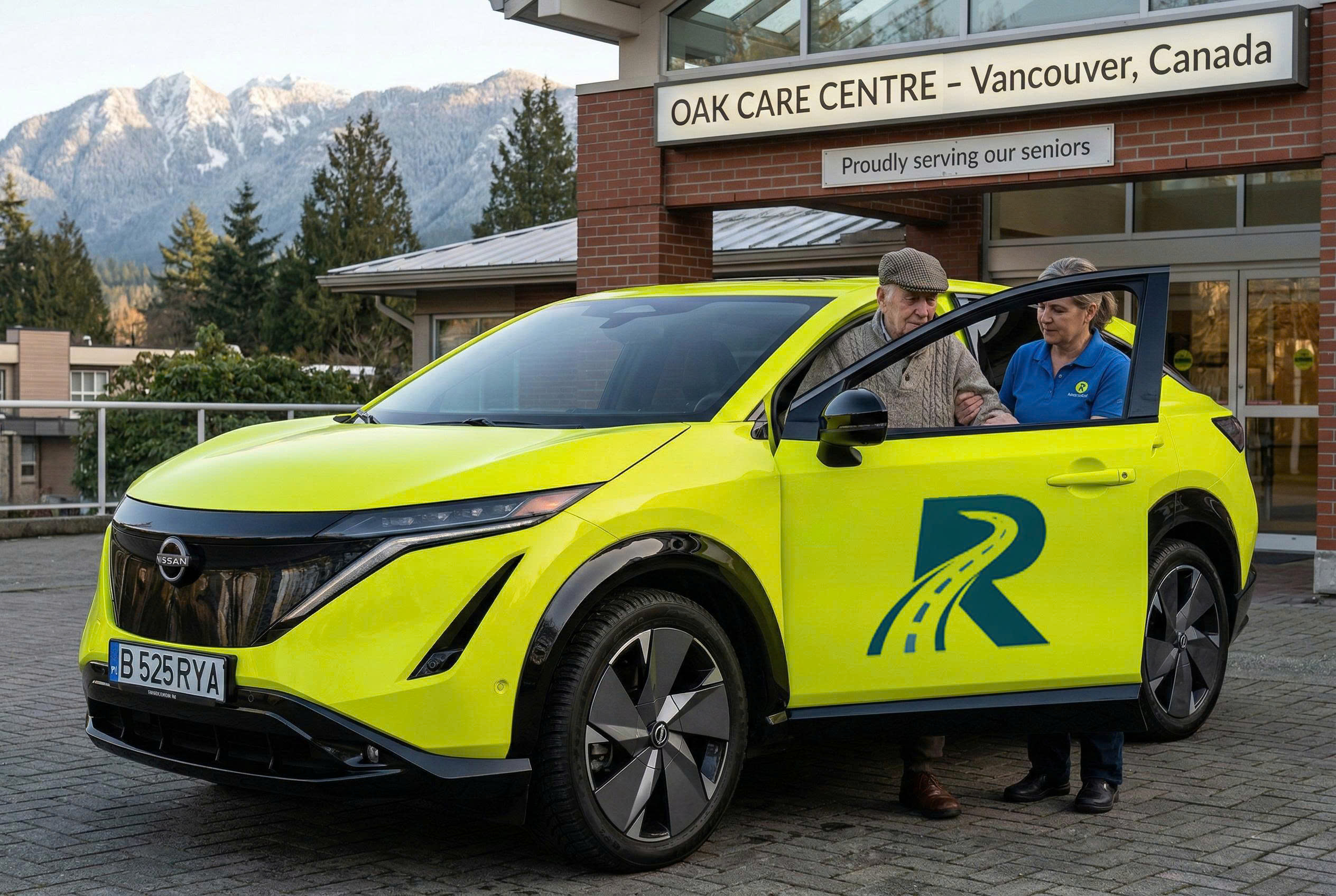
Healthcare systems are also beginning to recognize the value of simplified transportation access. Missed medical appointments due to transportation barriers remain a costly and persistent problem across North America. When seniors cannot easily arrange rides, preventative care suffers and hospital readmissions can increase. By enabling easier access to services like Uber and Lyft without requiring app navigation, assisted coordination models support better healthcare continuity. RideSenior and similar platforms are increasingly viewed as complementary partners in the broader continuum of senior care.
From a technology standpoint, the move away from mandatory app usage reflects a more mature phase of digital service design. Early waves of innovation often focus heavily on mobile apps as the primary gateway. Over time, successful platforms expand into multi-channel access models that include phone booking, web forms, partner integrations, and concierge coordination. This evolution acknowledges that true accessibility requires meeting users where they are, not forcing every user into a single digital behavior pattern. For Canadian seniors, this shift is arriving at exactly the right moment.
The benefits extend beyond individual riders. Communities that support senior mobility tend to see stronger social participation among older residents. When seniors can easily attend community events, religious services, family gatherings, and volunteer activities, overall well-being improves. Transportation access is closely linked to mental health, physical activity, and reduced isolation. By lowering the technological barrier to ride-hailing services, Canada is taking an important step toward building more age-friendly cities and neighborhoods.
RideSenior’s growing presence in multiple Canadian markets illustrates how specialized coordination can scale alongside mainstream mobility platforms. The company’s focus on senior needs, combined with its integration-friendly approach, positions it well within the evolving transportation landscape. Rather than competing directly with Uber or Lyft, RideSenior enhances their accessibility for a segment of the population that has historically been underserved by app-first models. This collaborative positioning is increasingly common in the senior services sector, where ecosystem thinking often delivers better outcomes than siloed solutions.
Looking ahead, the trend toward app-optional mobility is likely to accelerate. As voice assistants, call-based booking systems, and senior concierge platforms continue to improve, the user experience for older adults will become even more seamless. We may see deeper integration between healthcare providers, insurance partners, and transportation coordinators, creating end-to-end mobility pathways that require minimal effort from the senior user. In this future landscape, the question will not be whether a senior can use an app, but whether the system is intelligent enough to remove unnecessary friction altogether.
Canada’s leadership in age-friendly policy and community design provides a strong foundation for these innovations to flourish. Government initiatives, healthcare reforms, and private-sector investment are increasingly aligned around the goal of supporting seniors to live independently for as long as possible. Transportation is a critical pillar of that vision. By enabling older adults to access Uber and Lyft without installing an app, the mobility ecosystem is becoming more inclusive, more flexible, and more responsive to real human needs.
For families currently exploring transportation options for aging loved ones, the message is increasingly clear. Reliable rides no longer require seniors to master smartphone technology. With the help of coordination services like RideSenior and evolving booking pathways across major ride networks, Canadian seniors have more mobility choices than ever before. This progress represents more than a convenience upgrade; it is a meaningful step toward preserving independence, reducing caregiver stress, and improving quality of life for older adults across the country.
As awareness continues to grow, the expectation is that senior-friendly transportation will move from a niche offering to a standard feature of Canada’s mobility landscape. The combination of major ride networks, specialized coordinators, and user-centered design is reshaping how transportation works for an aging population. Seniors in Canada can now book Uber and Lyft without installing an app, and that simple shift is helping unlock a more connected, confident, and independent future for older adults nationwide.
TapSenior Canada
Bài viết liên quan: