
TapSenior Smart Picks: Best Health Resources for Seniors. Aging is a journey that brings wisdom, experience, and new opportunities to enjoy life. However, it also introduces unique health challenges that require reliable information, trusted services, and practical support. Whether someone is living independently, with family, or in a retirement community, having access to the right health resources can significantly improve quality of life.
Today’s seniors have more healthcare options than ever before. From preventive screenings and telehealth appointments to nutrition guidance, mental wellness programs, mobility support, medication management, and caregiver assistance, the modern healthcare landscape offers countless tools designed specifically for older adults. The challenge is not the lack of resources it is knowing which ones truly make a difference.
This guide, TapSenior Smart Picks: Best Health Resources for Seniors, highlights some of the most valuable health resources available for older adults and their families. Instead of overwhelming readers with complicated medical terminology, this article focuses on practical solutions that help seniors stay healthier, safer, and more independent every day.
Whether you are a senior looking for trustworthy health guidance or a family caregiver searching for dependable support, these recommendations will help you make informed decisions that contribute to long-term wellness and peace of mind.

Why Reliable Health Resources Matter for Seniors
Health needs naturally evolve as people age. Chronic conditions become more common, mobility may change, and routine medical appointments often become a larger part of everyday life. Access to dependable health resources allows seniors to:
- Detect health problems early.
- Better manage chronic illnesses.
- Maintain physical independence.
- Improve emotional well-being.
- Reduce unnecessary hospital visits.
- Stay socially connected.
- Make informed healthcare decisions.
The internet contains an enormous amount of health information, but not every source is accurate or trustworthy. Seniors benefit most from evidence-based recommendations, licensed healthcare professionals, reputable organizations, and community programs specifically designed for aging adults.
Building a personalized network of reliable health resources is one of the best investments seniors can make for their future.
Preventive Healthcare Should Always Come First
Many serious medical conditions develop gradually over time. Preventive healthcare helps identify problems before they become emergencies.
Regular preventive care often includes:
- Annual physical examinations
- Blood pressure monitoring
- Cholesterol testing
- Diabetes screenings
- Vision exams
- Hearing evaluations
- Dental checkups
- Bone density testing
- Cancer screenings
- Vaccinations
These routine visits allow healthcare providers to monitor changes, adjust medications, and recommend lifestyle improvements before complications arise.
Preventive healthcare is often less expensive than treating advanced illnesses and helps seniors remain active for many more years.
Primary Care Physicians Remain the Foundation of Senior Healthcare
Although specialists play important roles, a trusted primary care physician coordinates overall healthcare.
A primary doctor understands a senior’s:
- Medical history
- Current medications
- Allergies
- Family history
- Chronic conditions
- Lifestyle
- Personal health goals
Having one physician oversee overall care reduces duplicate testing, medication conflicts, and unnecessary referrals.
Building a long-term relationship with a healthcare provider also encourages open communication and personalized treatment plans.
Specialists Help Manage Complex Health Conditions
As people age, they may need additional medical expertise beyond primary care.
Common specialists include:
Cardiologists
Heart disease remains one of the leading health concerns among seniors. Cardiologists monitor blood pressure, heart rhythm, cholesterol, and cardiovascular health.
Endocrinologists
These specialists help manage diabetes, thyroid disorders, osteoporosis, and hormone-related conditions.
Neurologists
Neurologists diagnose and treat memory disorders, Parkinson’s disease, stroke recovery, neuropathy, and other neurological conditions.
Orthopedic Specialists
Joint pain, arthritis, fractures, and mobility issues often require orthopedic evaluation and treatment.
Ophthalmologists
Regular eye examinations can detect glaucoma, cataracts, and macular degeneration before vision loss becomes severe.
Working together, primary care physicians and specialists create a comprehensive healthcare strategy tailored to each senior.
Telehealth Is Transforming Senior Healthcare
Technology has made healthcare significantly more accessible.
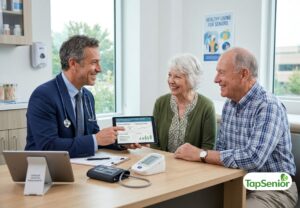
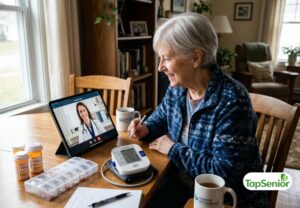
Telehealth for Seniors allows older adults to consult healthcare professionals from home using smartphones, tablets, or computers.
Benefits include:
- Reduced travel
- Faster appointments
- Easier prescription renewals
- Follow-up consultations
- Lower transportation stress
- Increased caregiver participation
Telehealth is especially valuable for seniors living in rural communities or those with limited mobility.
Although some conditions still require in-person examinations, virtual healthcare has become an essential part of modern senior wellness.
Medication Management Is Essential
Many seniors take multiple prescriptions every day.
Managing medications properly helps avoid:
- Missed doses
- Dangerous drug interactions
- Incorrect timing
- Duplicate medications
- Accidental overdoses
Helpful medication resources include:
- Weekly pill organizers
- Digital medication reminders
- Pharmacy consultation services
- Medication review appointments
- Automatic refill programs
Keeping an updated medication list is also important during emergency room visits or appointments with new healthcare providers.
Nutrition Plays a Critical Role in Healthy Aging
Good nutrition supports nearly every aspect of senior health.
Healthy eating helps maintain:
- Strong muscles
- Healthy bones
- Stable blood sugar
- Heart health
- Brain function
- Immune system strength
- Energy levels
A balanced senior diet generally includes:
- Lean protein
- Fresh vegetables
- Fruits
- Whole grains
- Healthy fats
- Low-fat dairy
- Plenty of water
Many seniors also benefit from consultations with registered dietitians who can recommend personalized nutrition plans for diabetes, kidney disease, heart conditions, or digestive disorders.
Staying Physically Active Improves Overall Health
Exercise remains one of the most effective ways to support healthy aging.
Regular activity helps improve:
- Balance
- Strength
- Flexibility
- Bone density
- Heart health
- Mental health
- Sleep quality
Safe activities often include:
- Walking
- Water aerobics
- Tai Chi
- Yoga
- Stretching
- Resistance training
- Cycling
- Chair exercises
Even 20 to 30 minutes of moderate movement most days can significantly improve long-term health outcomes.

Mental Health Deserves Equal Attention
Mental wellness is just as important as physical wellness.
Many seniors experience:
- Loneliness
- Anxiety
- Depression
- Grief
- Stress
- Social isolation
Seeking help is a sign of strength, not weakness.
Useful mental health resources include:
- Licensed therapists
- Senior counseling programs
- Support groups
- Faith communities
- Volunteer organizations
- Community centers
Maintaining meaningful relationships greatly contributes to emotional well-being.
Memory Health Resources Become Increasingly Important
Occasional forgetfulness is normal, but persistent memory problems should never be ignored.
Early evaluation allows physicians to determine whether symptoms are caused by:
- Vitamin deficiencies
- Medication side effects
- Depression
- Sleep disorders
- Dementia
- Alzheimer’s disease
Early diagnosis creates opportunities for treatment, planning, and family support.
Brain health can also be supported through:
- Reading
- Learning new skills
- Crossword puzzles
- Music
- Social activities
- Physical exercise
- Healthy sleep
Hearing and Vision Care Supports Independence
Small changes in hearing or vision can greatly affect everyday safety.
Routine hearing and vision care reduces the risk of:
- Falls
- Medication mistakes
- Social isolation
- Depression
- Driving accidents
Modern hearing aids and vision correction technologies have become more comfortable, effective, and accessible than ever before.
Seniors should schedule regular hearing and eye examinations even if no obvious symptoms appear.
Home Safety Resources Help Prevent Injuries
Falls remain one of the leading causes of injury among older adults.
Simple home improvements can dramatically reduce risks.
Examples include:
- Grab bars
- Non-slip bathroom mats
- Improved lighting
- Handrails
- Stair modifications
- Raised toilet seats
- Shower chairs
- Removal of loose rugs
Occupational therapists can perform home safety assessments and recommend practical improvements tailored to individual needs.
Community Health Programs Create Strong Support Networks
Communities often provide valuable resources specifically for older adults.
These may include:
- Wellness classes
- Blood pressure screenings
- Vaccination clinics
- Nutrition education
- Exercise programs
- Walking clubs
- Caregiver education
- Health fairs
Participating in community health activities encourages both physical wellness and social engagement, helping seniors maintain a more active lifestyle.
Transportation Is an Important Part of Healthcare Access
Access to healthcare depends not only on medical professionals but also on reliable transportation.
Missing appointments because of transportation difficulties can delay treatment and worsen chronic conditions.
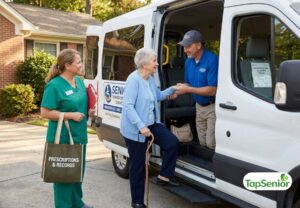
This is why Senior Transportation Services have become increasingly valuable for aging adults. Safe, dependable transportation allows seniors to attend doctor visits, physical therapy sessions, diagnostic imaging appointments, pharmacies, rehabilitation programs, and wellness activities without relying entirely on family members.
Reliable transportation also reduces stress for caregivers while helping seniors preserve their independence and confidence.
Transportation should be viewed as an essential component of overall healthcare—not simply a convenience.
Family Caregivers Need Resources Too
Millions of family members provide daily care for aging parents, spouses, and relatives.
Caregiving is rewarding but can also become physically and emotionally demanding.
Helpful caregiver resources include:
- Educational workshops
- Respite care
- Support groups
- Care coordination services
- Financial planning assistance
- Legal planning resources
- Home healthcare guidance
When caregivers receive proper support, seniors also experience better outcomes.
Healthy caregivers are better equipped to provide consistent, compassionate care over the long term.
Building Your Personal Health Resource Network
Rather than searching for help only during emergencies, seniors should gradually build a personal network of trusted health resources.
A well-rounded support system often includes:
- Primary care physician
- Medical specialists
- Local pharmacy
- Physical therapist
- Dentist
- Eye doctor
- Hearing specialist
- Mental health professional
- Nutrition expert
- Community wellness programs
- Transportation services
- Family caregivers
- Emergency contacts
Having these resources organized in advance allows seniors to respond more confidently whenever health needs arise.
The strongest healthcare plans are built proactively not reactively. Investing time today to identify dependable health resources creates a stronger foundation for healthier aging, greater independence, and improved peace of mind in the years ahead.
Digital Health Resources Every Senior Should Know
Technology has transformed healthcare, making it easier than ever for older adults to stay informed and connected with medical professionals. While not every senior considers themselves tech-savvy, many digital tools are designed with simplicity in mind and can greatly improve day-to-day health management.
Some of the most valuable Senior Health Resources available online include:
- Patient portals for viewing medical records and test results
- Appointment scheduling systems
- Secure messaging with healthcare providers
- Prescription refill services
- Medication reminder apps
- Health tracking applications
- Online educational libraries
- Virtual rehabilitation programs
- Video consultations with specialists
Learning to use these digital tools can help seniors take a more active role in managing their health. Family members and caregivers can also assist by setting up accounts, organizing reminders, and ensuring information remains up to date.
As healthcare continues to evolve, digital resources will become an increasingly important part of maintaining independence and improving communication between seniors and healthcare providers.
Home Healthcare Services Bring Professional Care Home
Not every health concern requires hospitalization. In many situations, receiving care at home is both more comfortable and more effective.
Home Care Services provide professional medical and non-medical assistance while allowing seniors to remain in familiar surroundings.
Depending on individual needs, home healthcare may include:
- Skilled nursing care
- Physical therapy
- Occupational therapy
- Speech therapy
- Wound care
- Medication management
- Post-surgery recovery
- Chronic disease monitoring
- Personal care assistance
- Nutrition guidance
Receiving care at home often reduces stress, lowers the risk of hospital-acquired infections, and promotes a greater sense of comfort.
Home healthcare professionals also educate family caregivers, helping them confidently support their loved ones between visits.
Rehabilitation Resources Support Recovery
Recovery does not end when a senior leaves the hospital.
Whether recovering from surgery, a stroke, joint replacement, or a serious illness, rehabilitation plays a critical role in restoring independence.
Effective rehabilitation programs may include:
Physical Therapy
Physical therapists help seniors rebuild strength, flexibility, balance, and mobility.
Occupational Therapy
Occupational therapists focus on improving everyday activities such as dressing, bathing, cooking, and safely moving around the home.
Speech Therapy
Speech-language pathologists assist seniors experiencing communication or swallowing difficulties following neurological conditions or surgery.
Successful rehabilitation requires patience, consistency, and ongoing encouragement from healthcare providers and family members.
Managing Chronic Conditions Successfully
Many older adults live with one or more chronic medical conditions.
Common examples include:
- Diabetes
- High blood pressure
- Arthritis
- Heart disease
- COPD
- Osteoporosis
- Kidney disease
Living with a chronic condition does not necessarily mean losing independence.
Successful management often involves:
- Regular medical appointments
- Medication adherence
- Healthy eating
- Physical activity
- Routine monitoring
- Stress management
- Good sleep habits
Educational programs specifically designed for chronic disease management help seniors better understand their conditions and make informed lifestyle choices.
The more knowledge seniors have about their health, the more confident they become in managing it effectively.
Preventing Falls Should Be a Daily Priority
Falls remain one of the leading causes of injury among older adults, but many falls can be prevented with the right precautions.
Helpful strategies include:
- Wearing supportive footwear
- Keeping walkways clear
- Installing grab bars
- Improving lighting throughout the home
- Exercising regularly to improve balance
- Reviewing medications that may cause dizziness
- Having regular vision and hearing exams
Balance-focused exercise programs such as Tai Chi have shown positive results in reducing fall risks among seniors.
Small safety improvements today can prevent major injuries tomorrow.
Healthy Sleep Supports Better Aging
Quality sleep becomes increasingly important with age.
Poor sleep may contribute to:
- Fatigue
- Memory problems
- Depression
- Falls
- High blood pressure
- Reduced immune function
Healthy sleep habits include:
- Maintaining a regular bedtime
- Limiting caffeine late in the day
- Avoiding large meals before bed
- Creating a quiet sleeping environment
- Exercising during the day
- Limiting screen time before bedtime
Persistent sleep problems should always be discussed with a healthcare provider, as they may indicate underlying medical conditions.
Social Connections Improve Health
Good health involves more than physical wellness.
Strong social relationships help reduce:
- Loneliness
- Anxiety
- Depression
- Cognitive decline
- Stress
Seniors can stay socially engaged by:
- Joining local community centers
- Participating in hobby groups
- Volunteering
- Attending educational classes
- Joining walking clubs
- Visiting senior centers
- Connecting through virtual communities
Even regular phone calls or video chats with family members can positively affect emotional well-being.
Remaining socially active contributes to a happier and healthier lifestyle.
Nutrition Resources Continue Beyond the Grocery Store
Maintaining healthy eating habits becomes easier when seniors have access to reliable nutrition support.
Helpful resources include:
- Registered dietitians
- Community nutrition workshops
- Healthy cooking classes
- Meal planning guides
- Grocery delivery services
- Meal delivery programs for seniors
Many communities also provide nutrition assistance for older adults with limited mobility or financial challenges.
Proper nutrition supports energy, healing, immune function, and long-term disease prevention.
Emergency Preparedness Resources
Every senior should have an emergency plan.
Preparing ahead reduces confusion during unexpected situations.
Important items include:
- Updated medication lists
- Emergency contact information
- Copies of health insurance cards
- Physician contact details
- Medical history summary
- Advance directives
- Backup medical equipment supplies
Emergency preparedness also involves knowing when to seek urgent medical attention and having reliable transportation available if immediate care is needed.
Families should regularly review emergency plans together to ensure everyone understands their responsibilities.
Caregiver Support Makes Better Care Possible
Family caregivers provide invaluable assistance, but they also need support to maintain their own health and well-being.
Excellent Caregiver Support resources include:
- Educational webinars
- Caregiver support groups
- Respite care services
- Stress management programs
- Counseling services
- Financial planning guidance
- Care coordination assistance
Caregivers who prioritize self-care are better equipped to provide compassionate, consistent support over time.
Taking occasional breaks is not a sign of weakness it is an important part of sustainable caregiving.
Financial Resources for Senior Healthcare
Healthcare expenses can become a significant concern during retirement.
Fortunately, many financial resources help reduce costs.
These may include:
- Government healthcare programs
- Prescription assistance programs
- Preventive care benefits
- Community health clinics
- Nonprofit assistance organizations
- Supplemental insurance options
Understanding available benefits allows seniors to maximize healthcare access while minimizing unnecessary expenses.
Reviewing coverage annually ensures that health plans continue meeting changing medical needs.
Wellness Programs Encourage Healthy Living
Many organizations offer Wellness Programs for Seniors that promote healthy lifestyles through education and community engagement.
These programs often include:
- Fitness classes
- Nutrition counseling
- Chronic disease education
- Fall prevention workshops
- Stress management seminars
- Health screenings
- Caregiver education
- Healthy aging discussions
Participating regularly helps seniors stay motivated while building meaningful friendships within their communities.
Transportation Continues to Be a Key Health Resource
Healthcare is only effective when seniors can consistently access it.
Reliable Senior Transportation Services help older adults attend:
- Primary care appointments
- Specialist consultations
- Rehabilitation sessions
- Diagnostic testing
- Dialysis treatments
- Dental visits
- Vision appointments
- Pharmacy pickups
- Wellness activities
- Community programs
Dependable transportation reduces missed appointments, improves treatment adherence, and provides peace of mind for both seniors and family caregivers.
As communities continue investing in age-friendly transportation options, more older adults can enjoy greater independence while maintaining consistent healthcare routines.
Building Healthy Daily Habits
Healthy aging is built through everyday choices rather than occasional efforts.
Simple habits that support lifelong wellness include:
- Drinking enough water
- Eating balanced meals
- Staying physically active
- Sleeping seven to eight hours when possible
- Managing stress effectively
- Taking medications as prescribed
- Keeping medical appointments
- Staying socially connected
- Continuing to learn new skills
- Monitoring changes in physical or mental health
Consistency is often more important than perfection.
Small improvements practiced every day can produce significant long-term benefits.
Frequently Asked Questions
What are the most important health resources every senior should have?
Every older adult should have access to a primary care physician, trusted specialists when needed, medication management support, preventive healthcare services, emergency contacts, reliable transportation, mental health resources, and community wellness programs.
How often should seniors schedule preventive health checkups?
Most healthcare providers recommend annual wellness visits, along with routine screenings based on age, medical history, and individual risk factors. Following a personalized preventive care schedule helps detect health concerns early.
Can telehealth replace in-person medical appointments?
Telehealth is an excellent option for many follow-up visits, medication reviews, and minor health concerns. However, physical examinations, diagnostic testing, emergency care, and certain specialized treatments still require in-person appointments.
Why are community programs beneficial for seniors?
Community programs encourage physical activity, provide educational opportunities, foster social connections, and help reduce loneliness. These programs contribute to healthier aging while supporting emotional well-being.
How can family members help seniors access health resources?
Family members can assist by scheduling appointments, organizing medications, providing transportation, helping with technology, researching available community services, and encouraging healthy lifestyle habits while respecting the senior’s independence.
Final Thoughts
Healthy aging is not defined by avoiding every illness or challenge – it is about having the right resources, support systems, and knowledge to navigate life’s changes with confidence. The strongest foundation for lifelong wellness comes from combining preventive care, trusted healthcare professionals, healthy daily habits, emotional well-being, community engagement, and access to dependable services that support independence.
As healthcare continues to evolve, seniors have more opportunities than ever to take control of their well-being. From Telehealth for Seniors and Senior Health Resources to Home Care Services, Caregiver Support, Wellness Programs for Seniors, and Senior Transportation Services, every resource plays an important role in helping older adults live safer, healthier, and more fulfilling lives.
At TapSenior, we believe that informed decisions lead to better outcomes. By exploring trusted health resources, staying proactive with preventive care, and building a reliable support network, seniors and their families can confidently embrace the years ahead with greater peace of mind, independence, and a higher quality of life.
Bài viết liên quan: