
Understanding Advocacy for Residential and Community Aged Care Staff. Growing older is a natural part of life, but many older adults worry more about losing their memory than almost any other aspect of aging. Forgetting names, misplacing keys, struggling to recall appointments, or feeling mentally slower can be frustrating and even frightening. While aging does bring natural changes to the brain, researchers have discovered something encouraging: regular physical exercise is one of the most effective ways to protect brain health throughout life. Whether you are 60, 70, 80, or even older, staying physically active can help maintain memory, improve mood, sharpen thinking, and reduce the risk of cognitive decline.
Across Canada, more seniors are embracing an active lifestyle to maintain independence and enjoy a higher quality of life. Walking through neighborhood parks in Toronto, participating in aquatic fitness classes in Vancouver, joining community Tai Chi groups in Calgary, or simply gardening in Halifax are all examples of how movement supports both physical and mental well-being. Healthcare professionals increasingly recommend brain-healthy exercise, healthy aging, active aging for seniors, cognitive health, and physical activity for older adults because the evidence continues to grow stronger every year.
The relationship between exercise and the brain is remarkable. Every time you move your body, your heart pumps more oxygen-rich blood to your brain. This increased circulation delivers nutrients that nourish brain cells while stimulating the release of chemicals that help neurons communicate more effectively. Exercise also encourages the brain to create new neural connections, making it easier to learn, remember, and adapt to new situations. Rather than simply slowing decline, regular movement actively supports the brain’s ability to stay resilient.
For many seniors, exercise is often viewed as a way to strengthen muscles, improve balance, or protect heart health. While those benefits are important, the brain may actually be one of the biggest winners. Scientists now recognize that movement influences nearly every aspect of brain function, including attention, memory, emotional health, decision-making, sleep quality, and even creativity.
This means exercise isn’t simply about adding years to your life. It’s about adding life to your years. A healthy brain helps you stay connected with family, continue hobbies, enjoy meaningful conversations, manage everyday tasks independently, and maintain confidence as you age.
In this guide, we’ll explore how exercise transforms the aging brain, why different types of physical activity affect the brain in unique ways, and how Canadian seniors can safely create routines that support lifelong cognitive health.

Understanding the Aging Brain
The brain is one of the most complex organs in the human body. It contains approximately 86 billion neurons that communicate through trillions of connections called synapses. These connections allow us to think, solve problems, remember experiences, recognize loved ones, and perform everyday tasks without consciously thinking about them.
As we age, certain natural changes begin to occur.
Processing speed gradually slows.
Reaction time becomes slightly longer.
Short-term memory may not feel as sharp.
Learning new skills can require more repetition.
Multitasking becomes more challenging.
These changes are considered normal and do not necessarily indicate dementia. Many healthy seniors continue learning new languages, volunteering, traveling, and mastering new technology well into their 80s and beyond.
The good news is that the brain remains adaptable throughout life. Scientists call this ability neuroplasticity. Even in later years, the brain continues building new pathways whenever we challenge it through learning, social interaction, and especially physical activity.
Think of your brain like a network of roads. Without regular use, some roads become narrow and overgrown. Exercise acts like ongoing maintenance, strengthening existing roads while building new ones that keep information flowing efficiently.
What Happens Inside Your Brain When You Exercise?
Exercise creates a chain reaction that benefits nearly every area of the brain.
First, your heart pumps more efficiently, increasing blood flow. This extra circulation delivers oxygen and glucose that fuel brain cells.
Second, physical activity stimulates the release of growth factors such as Brain-Derived Neurotrophic Factor (BDNF). Often referred to as “fertilizer for the brain,” BDNF helps neurons survive, grow, and form stronger connections.
Third, exercise reduces chronic inflammation throughout the body. Persistent inflammation has been associated with accelerated cognitive decline and several neurological conditions. By lowering inflammation, regular movement creates a healthier environment for brain cells.
Fourth, exercise improves insulin sensitivity and cardiovascular health. Since the brain depends heavily on healthy blood vessels, protecting heart health also protects brain health.
Finally, movement encourages the production of neurotransmitters such as dopamine, serotonin, and norepinephrine. These chemicals regulate mood, motivation, attention, and emotional well-being.
Together, these biological changes create an environment where the brain can continue adapting, learning, and functioning more efficiently despite advancing age.

Exercise Helps Build New Brain Cells
One of the most exciting discoveries in neuroscience is that older adults can continue producing new brain cells.
For decades, scientists believed humans were born with all the neurons they would ever have. We now know that’s not entirely true.
The hippocampus, a region responsible for learning and memory, continues generating new neurons throughout life. This process is known as neurogenesis.
Regular aerobic exercise appears to stimulate this process.
Walking.
Cycling.
Swimming.
Dancing.
Water aerobics.
Even brisk gardening.
These activities encourage the brain to strengthen memory-related structures.
The hippocampus is often one of the first brain regions affected during cognitive decline. Protecting this area may help preserve memory and learning abilities for years longer than would otherwise be possible.
Better Blood Flow Means Better Thinking
The brain consumes roughly 20 percent of the body’s oxygen despite representing only a small percentage of body weight.
Without adequate blood flow, brain cells cannot function efficiently.
Exercise improves circulation in several ways.
It strengthens the heart.
It keeps arteries healthier.
It improves blood vessel flexibility.
It supports healthy blood pressure.
It reduces cholesterol buildup.
These improvements mean the brain consistently receives the oxygen and nutrients it needs.
Many seniors notice practical benefits such as:
Improved concentration while reading.
Sharper attention during conversations.
Better problem-solving.
Faster recall of information.
Improved mental clarity throughout the day.
These improvements often appear after only a few months of consistent physical activity.
Exercise Strengthens Memory
Memory depends on healthy communication between millions of neurons.
Each time you learn something new, your brain strengthens certain neural pathways. Exercise enhances this process by supporting both neuroplasticity and neurogenesis.
Research consistently shows that physically active older adults tend to perform better on memory assessments than sedentary adults.
Exercise particularly benefits:
Short-term memory
Working memory
Spatial memory
Learning ability
Word recall
Remembering appointments
Remembering names
Following directions
While exercise cannot guarantee immunity from memory disorders, it helps create a healthier brain that is better prepared to resist age-related decline.
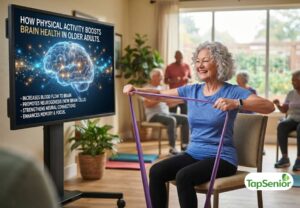
Exercise Improves Mood and Emotional Health
Mental health and brain health are closely connected.
Many seniors experience loneliness after retirement, the loss of loved ones, reduced mobility, or major life changes.
Exercise helps by naturally increasing chemicals associated with happiness and emotional resilience.
Physical activity stimulates the release of:
Endorphins
Serotonin
Dopamine
These chemicals reduce stress while promoting relaxation, motivation, and optimism.
Many older adults report feeling calmer after a walk, more energized following a fitness class, or more optimistic after spending time outdoors.
In Canada, community recreation centers offer group exercise programs specifically designed for older adults. These classes provide both physical movement and valuable opportunities for social interaction, which further supports cognitive health.
Better Sleep Creates a Healthier Brain
Sleep is when the brain performs many of its most important maintenance tasks.
During deep sleep, the brain clears waste products, consolidates memories, and prepares for learning the following day.
Unfortunately, many seniors experience disrupted sleep.
Exercise helps regulate the body’s natural sleep cycle.
Older adults who remain physically active often experience:
Falling asleep faster.
Longer periods of deep sleep.
Fewer nighttime awakenings.
Greater daytime alertness.
Improved energy levels.
Better memory.
More consistent sleep also reduces fatigue, making it easier to remain active the next day, creating a healthy cycle that benefits both body and brain.
Exercise Helps Reduce Stress
Stress affects more than emotions.
Long-term stress raises cortisol levels, which can interfere with memory formation and damage parts of the brain involved in learning.
Exercise naturally lowers stress hormones.
Walking through a local park.
Stretching in the morning.
Practicing yoga.
Swimming.
Cycling along community trails.
These activities encourage relaxation while reducing muscle tension.
For seniors who care for spouses or family members, regular exercise also provides valuable time for self-care, helping maintain emotional balance during challenging periods.
Moving Your Body Helps You Think More Clearly
Many people notice that good ideas often appear while walking rather than sitting.
That’s because exercise stimulates multiple regions of the brain simultaneously.
Movement increases alertness while encouraging communication between areas responsible for planning, attention, memory, and creativity.
Older adults frequently report that after regular exercise they find it easier to:
Make decisions.
Stay organized.
Follow conversations.
Learn new technology.
Manage finances.
Plan travel.
Complete daily routines independently.
These everyday improvements contribute significantly to maintaining confidence and independence throughout retirement.
Exercise Supports Independence
Brain health is closely linked to independent living.
Remembering medications.
Preparing meals safely.
Managing appointments.
Driving responsibly.
Using public transportation.
Handling finances.
Communicating with healthcare providers.
All depend on healthy cognitive function.
Exercise helps maintain not only physical strength but also the mental abilities required to perform these everyday tasks confidently.
For many Canadian seniors, remaining active allows them to continue aging comfortably in their own homes, participating in community events, visiting family, and enjoying hobbies that bring purpose and fulfillment.
The Best Types of Exercise for a Healthier Brain
The encouraging news for older adults is that there isn’t just one “perfect” exercise for brain health. Different forms of physical activity benefit the brain in different ways, and combining several types of movement often produces the greatest results. The goal isn’t to become an athlete. Instead, it’s to stay consistently active in ways that are enjoyable, safe, and sustainable.
Aerobic Exercise: Fueling the Brain
Aerobic exercise is one of the most researched forms of physical activity for improving cognitive health. Activities that gently increase your heart rate encourage greater blood flow to the brain and stimulate the release of beneficial growth factors that support healthy brain cells.
Excellent aerobic exercises include:
Walking in local parks
Swimming
Cycling
Water aerobics
Dancing
Light hiking
Low-impact fitness classes
For seniors in Canada, walking is often the easiest place to begin. Many communities offer beautiful walking trails, indoor malls for winter walking, and recreation centres with dedicated fitness programs for older adults.
Even 20 to 30 minutes of brisk walking several times a week can significantly support brain health, improve cardiovascular fitness, and enhance overall well-being.
Strength Training Benefits More Than Muscles
Many people associate strength training only with building muscles, but research shows it also benefits the brain.
When muscles work against resistance, the body releases hormones and proteins that positively influence cognitive function. Stronger muscles also make everyday activities easier, reducing fatigue and allowing older adults to remain more active throughout the day.
Strength training may include:
Resistance bands
Light dumbbells
Bodyweight exercises
Weight machines
Chair squats
Wall push-ups
Lifting grocery bags safely
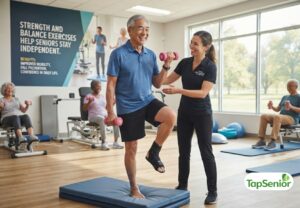
Improving muscle strength also lowers the risk of falls, helping seniors maintain confidence and independence.
Balance Exercises Protect Both Body and Mind
Falls remain one of the leading causes of injury among Canadian seniors. While balance exercises primarily reduce fall risk, they also stimulate brain regions responsible for coordination, body awareness, and motor planning.
Simple balance activities include:
Standing on one foot while holding a sturdy chair
Heel-to-toe walking
Tai Chi
Gentle yoga
Single-leg balance practice
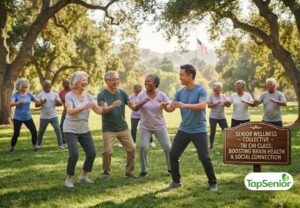
Tai Chi deserves special attention because it combines slow movement, concentration, breathing, and balance. Numerous studies suggest it may improve memory, attention, and executive function while reducing stress.
Flexibility Keeps You Moving
Stretching may not dramatically raise the heart rate, but maintaining flexibility helps older adults stay active.
When joints move comfortably, daily tasks become easier.
Stretching improves:
Range of motion
Posture
Muscle relaxation
Comfort during movement
Reduced stiffness
Greater confidence during exercise
Remaining flexible also encourages seniors to continue participating in hobbies like gardening, golfing, dancing, and traveling.
Don’t Forget Dual-Task Activities
Some exercises challenge both the body and the brain simultaneously.
These activities require coordination, memory, timing, and decision-making.
Examples include:
Learning dance routines
Playing pickleball
Table tennis
Tai Chi
Gardening while planning planting patterns
Walking while having conversations
Following fitness class instructions
These “dual-task” exercises strengthen communication between multiple areas of the brain and help improve attention, reaction time, and mental flexibility.
How Much Exercise Do Older Adults Need?
Many seniors believe they must exercise for hours every day to experience meaningful benefits.
Fortunately, that’s not true.
Canadian physical activity guidelines encourage older adults to aim for approximately:
150 minutes of moderate physical activity each week
Strength training at least twice weekly
Regular balance activities
Daily flexibility exercises
This can be broken into manageable sessions.
For example:
30 minutes of walking five days each week
20-minute strength sessions twice weekly
10 minutes of stretching each day
Short balance exercises several times each week
Even if someone cannot meet these recommendations immediately, any increase in activity is better than remaining inactive.
Starting Slowly Is Perfectly Fine
Some seniors worry that they have been inactive for too many years to benefit from exercise.
Fortunately, the brain responds surprisingly quickly.
Even beginning with:
Five-minute walks
Gentle chair exercises
Simple stretching
Standing up more frequently
Light household chores
can begin improving circulation and reducing sedentary behavior.
The important thing is consistency rather than perfection.
Exercise Helps Reduce Dementia Risk
Although no lifestyle habit can completely prevent Alzheimer’s disease or other forms of dementia, regular exercise is consistently associated with a lower risk of cognitive decline.
Scientists believe this happens because exercise:
Supports healthy blood vessels
Reduces inflammation
Improves blood sugar regulation
Protects the hippocampus
Encourages neuroplasticity
Reduces chronic stress
Improves sleep quality
Enhances mood
These combined effects create a healthier environment for the aging brain.
Rather than focusing on fear, exercise empowers seniors to actively support long-term cognitive wellness.
Physical Activity Encourages Social Connections
Exercise doesn’t always have to happen alone.
Many older adults find that group activities increase motivation while providing important social interaction.
Examples include:
Community walking groups
Senior fitness classes
Swimming clubs
Dance lessons
Tai Chi groups
Curling clubs
Pickleball leagues
Social interaction itself benefits brain health by stimulating conversation, emotional engagement, problem-solving, and memory.
Combining movement with friendship creates a powerful combination for healthy aging.
Nutrition and Exercise Work Together
Exercise provides maximum brain benefits when combined with healthy nutrition.
Older adults should aim to include:
Fresh vegetables
Fruit
Whole grains
Lean protein
Fish rich in omega-3 fatty acids
Beans
Healthy fats
Adequate water intake
Foods rich in antioxidants may help protect brain cells from oxidative stress while supporting long-term cognitive function.

The Importance of Staying Mentally Active
Exercise is only one part of maintaining a healthy brain.
Combining physical movement with mentally stimulating activities creates even greater benefits.
Examples include:
Reading books
Learning new skills
Completing puzzles
Playing musical instruments
Volunteering
Learning another language
Taking community education classes
Using technology to communicate with family
The brain thrives when challenged in multiple ways.
Overcoming Common Barriers
Many seniors encounter obstacles when trying to become more active.
“I’m Too Old”
Research consistently shows people can improve strength, balance, and cognitive function well into their 80s and 90s.
Age is not the deciding factor.
Consistency is.
“I Have Arthritis”
Gentle movement often reduces arthritis symptoms by improving joint flexibility and strengthening supporting muscles.
Activities such as swimming and water aerobics are particularly comfortable for many individuals with arthritis.
“I Don’t Have Time”
Exercise doesn’t have to occur all at once.
Three 10-minute walks provide many of the same benefits as one 30-minute walk.
“I’m Afraid of Falling”
Starting with supervised programs, chair exercises, or balance classes can gradually build confidence while reducing future fall risk.
A Sample Weekly Brain-Healthy Exercise Plan
Monday
30-minute brisk walk
10-minute stretching
Tuesday
Strength training using resistance bands
Balance practice
Wednesday
Swimming or water aerobics
Thursday
Walking with friends
Light stretching
Friday
Strength training
Tai Chi session
Saturday
Gardening
Easy cycling
Sunday
Relaxed family walk
Gentle yoga
This balanced routine supports cardiovascular health, muscle strength, flexibility, coordination, and cognitive function.
Safety Tips Before Starting an Exercise Program
Safety should always come first.
Older adults should:
Speak with their healthcare provider before beginning a new exercise routine, especially if they have chronic medical conditions.
Wear supportive footwear.
Drink plenty of water.
Warm up before exercising.
Cool down afterward.
Avoid exercising outdoors during extreme weather.
Exercise with a friend whenever possible.
Stop immediately if experiencing chest pain, dizziness, severe shortness of breath, or unusual discomfort.
Listening to your body is part of exercising wisely.
Frequently Asked Questions
Can exercise improve memory if I’m already experiencing mild forgetfulness?
Many older adults with mild cognitive changes experience improvements in attention, memory, mood, and overall thinking after adopting regular physical activity. While exercise isn’t a cure, it supports healthier brain function.
Is walking enough?
Walking is an excellent foundation. Adding strength, balance, and flexibility exercises creates a more complete routine that benefits both the brain and the body.
What if I use a walker?
Many seated and supported exercises remain highly beneficial. Physical therapists or certified senior fitness instructors can recommend safe modifications.
How long before I notice improvements?
Some people notice better mood and energy within a few weeks. Cognitive improvements often develop gradually over several months of consistent exercise.
Is it ever too late to start?
Absolutely not. Research continues to demonstrate that beginning physical activity later in life still provides meaningful benefits for brain health, mobility, and independence.
Small Daily Habits Create Lifelong Results
The greatest improvements often come from simple habits repeated consistently.
Choose the stairs instead of the elevator when appropriate.
Walk while talking on the phone.
Stretch every morning.
Stand up regularly during television commercials.
Play actively with grandchildren.
Join a community recreation program.
Explore local walking trails.
Dance while listening to your favorite music.
Each small decision contributes to better long-term brain health.
Over months and years, these habits strengthen both the body and the mind.
Conclusion
Growing older doesn’t mean accepting cognitive decline as inevitable. Modern research continues to demonstrate that regular physical exercise is one of the most powerful tools available for protecting the aging brain. From improving memory and concentration to reducing stress, enhancing sleep, and supporting emotional well-being, movement positively influences nearly every aspect of cognitive health.
For older adults across Canada, staying active doesn’t require expensive equipment or intense workouts. Walking through a neighborhood park, joining a community fitness class, practicing Tai Chi, swimming, gardening, or completing simple strength exercises at home can all contribute to a healthier brain and a more independent lifestyle. The key is choosing activities you enjoy and making them part of your weekly routine.
At TapSeniors, we believe that healthy aging goes beyond medical care. Maintaining an active lifestyle, staying socially connected, eating nutritious meals, and engaging in meaningful daily activities all work together to support lifelong wellness. By taking small, consistent steps today, you can invest in a stronger body, a sharper mind, and a brighter future. Every walk, every stretch, and every movement is an opportunity to help your brain thrive and continue enjoying the activities and people that matter most.
Bài viết liên quan: