
Best Home Modifications for Seniors. Growing older should never mean giving up independence. In fact, with the right home modifications for seniors, many older adults can continue living safely and comfortably in the homes they love for many years. Whether someone lives alone, with a spouse, or receives occasional assistance from family members, making thoughtful improvements around the house can dramatically reduce the risk of falls, improve mobility, and make everyday activities much easier. Across Canada, more families are embracing aging in place, investing in senior home safety, and creating accessible homes for older adults instead of moving into long-term care facilities. Small adjustments such as better lighting or grab bars can make a meaningful difference, while larger renovations like walk-in showers or stair lifts can transform daily life. Understanding which modifications provide the greatest value allows families to prioritize improvements that enhance comfort, safety, and confidence without unnecessary expense.
For many seniors, home is much more than a building. It is filled with memories, routines, neighbors, and a sense of belonging. Remaining in familiar surroundings often supports emotional well-being, helps reduce stress, and encourages a more active lifestyle. However, homes that were perfect decades ago may gradually become difficult to navigate due to reduced balance, limited vision, arthritis, or other age-related changes.
Fortunately, today’s accessibility solutions are more practical, attractive, and affordable than ever before. From simple DIY improvements to professional renovations, homeowners have countless options to create an environment that supports healthy aging.
This guide explores the best home modifications for seniors, explains why they matter, and provides practical ideas that families can implement immediately.

Why Home Modifications Matter for Seniors
According to health organizations across North America, falls remain one of the leading causes of injury among older adults. A single fall can lead to broken bones, reduced confidence, hospitalization, and a long recovery period.
Many falls happen inside the home because of hazards such as:
- Slippery bathroom floors
- Poor lighting
- Loose rugs
- Uneven flooring
- Narrow doorways
- High bathtub walls
- Difficult-to-reach storage
- Steep staircases
The encouraging news is that many of these risks can be significantly reduced through fall prevention for seniors strategies and practical home improvements.
Beyond preventing injuries, modifications also improve independence. When everyday tasks become easier, seniors can continue cooking, bathing, dressing, cleaning, and enjoying hobbies with less assistance.
Benefits include:
- Increased confidence
- Greater mobility
- Reduced caregiver burden
- Improved quality of life
- Longer independent living
- Better accessibility
- More comfort throughout the home
Investing in a safer home often costs far less than managing injuries or moving into assisted living.
Signs That a Home May Need Modifications
Many families wait until after a fall before making changes. A better approach is recognizing warning signs early.
Watch for situations such as:
- Difficulty climbing stairs
- Trouble entering or exiting the bathtub
- Holding onto furniture while walking
- Frequently bumping into objects
- Poor visibility at night
- Difficulty opening doors
- Struggling to reach shelves
- Fear of slipping in the bathroom
- Fatigue while standing for long periods
Even one of these signs may indicate that the home should be adapted before an accident occurs.
Start with a Professional Home Safety Assessment
Before investing in renovations, consider arranging a home safety assessment for seniors.
Occupational therapists and accessibility specialists evaluate how an individual moves throughout the home and identify potential hazards.
They typically examine:
- Entryways
- Staircases
- Flooring
- Bathrooms
- Bedrooms
- Kitchens
- Lighting
- Furniture placement
- Emergency exits
Their recommendations are personalized, ensuring that modifications meet both current and future needs.
A comprehensive assessment often saves money because families avoid unnecessary renovations and focus on improvements that provide the greatest benefit.

1. Improve Lighting Throughout the Home
Lighting is one of the simplest yet most effective safety upgrades.
As people age, they generally require much more light to see clearly. Shadows, dim hallways, and dark staircases increase the likelihood of trips and falls.
Improve lighting by adding:
- Brighter LED bulbs
- Motion-sensor lighting
- Night lights
- Under-cabinet kitchen lighting
- Illuminated light switches
- Automatic outdoor lighting
Hallways deserve particular attention because they connect multiple rooms and are used frequently throughout the day.
Bedrooms should also include accessible bedside lamps or touch-sensitive lighting to eliminate walking through darkness during nighttime bathroom visits.
Outdoor pathways should remain well illuminated throughout the evening.
2. Eliminate Tripping Hazards
Many accidents happen because of seemingly harmless household items.
Common hazards include:
- Loose rugs
- Electrical cords
- Clutter
- Low coffee tables
- Uneven flooring
- Slippery mats
- Children’s toys
- Pet accessories
Removing these obstacles immediately creates a safer environment.
Consider replacing loose rugs with non-slip flooring or securing them using specialized rug tape.
Furniture should provide clear walking paths, particularly between the bedroom, bathroom, and kitchen.
Electrical cords should never stretch across walkways.
Keeping frequently used items within easy reach also reduces unnecessary bending and climbing.
3. Install Grab Bars in Key Areas
One of the most valuable bathroom safety for seniors improvements is installing sturdy grab bars.
Unlike towel racks, grab bars are specifically designed to support body weight.
Recommended locations include:
- Beside the toilet
- Inside the shower
- Outside the bathtub
- Near bathroom entrances
- Along longer hallways if additional support is needed
Proper installation into wall studs is essential.
Professionally installed grab bars provide reliable support when standing, sitting, or maintaining balance.
Modern designs also blend seamlessly with contemporary bathrooms and no longer resemble hospital equipment.
4. Upgrade Bathroom Safety
Bathrooms account for a large percentage of household falls among seniors.
Fortunately, several improvements dramatically reduce risk.
Popular bathroom upgrades include:
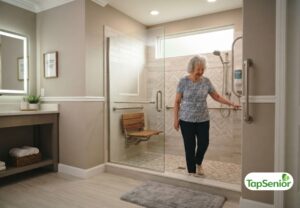
Walk-In Showers
High bathtub walls become increasingly difficult to step over.
Walk-in showers eliminate this obstacle while providing easy access.
Many also include:
- Non-slip flooring
- Built-in seating
- Handheld showerheads
- Multiple grab bars
These features make bathing significantly safer and more comfortable.
Raised Toilet Seats
Standing from a low toilet requires considerable leg strength.
Raised toilet seats reduce the effort required and improve stability.
Some models also include armrests for additional support.
Non-Slip Flooring
Wet tile floors become extremely slippery.
Textured flooring or slip-resistant coatings improve traction without sacrificing appearance.
Shower Benches
A shower seat allows seniors to bathe while sitting comfortably.
This reduces fatigue and lowers fall risk, especially for individuals with arthritis or balance challenges.
5. Improve Stair Safety
Stairs become increasingly challenging with age.
Fortunately, several modifications improve safety.
Install Secure Handrails
Every staircase should have sturdy handrails on both sides whenever possible.
Handrails should extend beyond the first and last steps to provide additional stability.
Improve Step Visibility
Contrasting stair edges help seniors distinguish individual steps more easily.
Anti-slip stair treads also improve traction.
Add Better Lighting
Every staircase should remain brightly illuminated during both day and night.
Motion-activated lighting eliminates the need to search for switches.
Consider Stair Lifts
For seniors with significant mobility limitations, stair lifts for seniors provide a practical alternative to relocating.
Modern stair lifts feature:
- Comfortable seating
- Seat belts
- Foldable designs
- Battery backup
- Smooth operation
- Remote controls
Many homeowners find that installing a stair lift allows them to continue living independently for years.
6. Make Entryways More Accessible
Entering and leaving the home should never feel risky.
Safe entryways encourage independence while making it easier for visitors and caregivers.
Helpful improvements include:
- Ramps
- Slip-resistant walkways
- Covered entrances
- Wider doorways
- Lever-style door handles
- Better exterior lighting
- Low-threshold entrances
Replacing traditional doorknobs with lever handles makes opening doors much easier for seniors experiencing arthritis or reduced hand strength.
Smart locks also eliminate the need to manage small keys.
7. Widen Doorways for Mobility Devices
Many older homes have narrow doorways.
While this may not pose a problem initially, mobility changes can make navigating these spaces difficult.
Wider doorways accommodate:
- Walkers
- Rollators
- Wheelchairs
- Mobility scooters
This modification supports long-term accessibility and reduces frustration when moving throughout the house.
Even if mobility aids are not currently needed, planning ahead can prevent costly renovations later.
8. Choose Safer Flooring
Flooring significantly affects mobility and fall prevention.
Ideal flooring should be:
- Non-slip
- Smooth
- Firm
- Easy to clean
- Free of sudden height changes
Recommended flooring options include:
- Luxury vinyl
- Cork flooring
- Rubber flooring
- Low-pile carpeting
Avoid thick carpets with high edges, which can catch walkers and shoes.
Transitions between rooms should remain level whenever possible.
9. Improve Kitchen Accessibility
The kitchen is one of the busiest rooms in any home.
Simple modifications can make cooking both safer and more enjoyable.
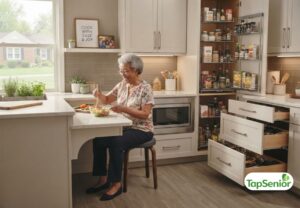
Helpful improvements include:
- Pull-out shelves
- Lazy Susan cabinets
- Soft-close drawers
- Adjustable shelving
- Lower countertops
- Easy-grip cabinet handles
- Touchless faucets
Frequently used cookware should be stored between waist and shoulder height to minimize bending and reaching.
Heavy appliances should remain easily accessible rather than stored in high cabinets.
10. Install Lever Handles Instead of Round Knobs
Small details can make a surprisingly large difference.
Lever handles require much less grip strength than traditional knobs.
They are especially beneficial for seniors living with:
- Arthritis
- Parkinson’s disease
- Reduced hand strength
- Limited finger mobility
These handles can be installed on:
- Interior doors
- Exterior doors
- Faucets
- Cabinets
The result is a home that feels noticeably easier to navigate every day.
Looking Ahead: Planning for Future Needs
One of the biggest mistakes families make is only modifying the home after a serious accident or major decline in mobility. While emergency renovations can certainly improve safety, they often come with added stress, higher costs, and rushed decision-making.
Instead, consider adopting the principles of universal design, which focus on creating spaces that remain functional for people of all ages and abilities. Features such as step-free entrances, wider hallways, easy-to-reach storage, and accessible bathrooms can benefit everyone in the household while preparing the home for future needs.
Planning ahead also allows homeowners to spread renovation costs over time. Rather than completing every project at once, families can prioritize improvements based on immediate concerns and gradually add more accessibility features as needs change.
11. Create a Safer and More Comfortable Bedroom
A bedroom should be a place of rest, but it should also support safe movement throughout the day and night. Since many seniors wake up several times during the night, improving bedroom safety can significantly reduce the risk of falls.
One of the first considerations is bed height. A bed that is too high can make getting in difficult, while one that is too low requires extra effort to stand up. Ideally, a senior should be able to sit on the edge of the bed with both feet resting flat on the floor.
Other helpful bedroom modifications include:
- Bedside lighting with large switches
- Motion-activated floor lights
- Non-slip flooring
- Easy-to-reach light controls
- Stable bedside tables
- Clear walking paths
- Comfortable seating for dressing
Some older adults also benefit from adjustable beds, which allow the head or feet to be raised electronically. These beds can improve comfort, reduce back pain, support circulation, and make getting in and out of bed much easier.
If additional support is needed, bed assist rails for seniors provide stability without making the bedroom feel institutional.
The goal is to create a space that promotes restful sleep while supporting safe movement at any time of day.
12. Make Laundry Areas Easier to Use
Laundry rooms are often overlooked during accessibility planning, yet they can present several challenges for seniors.
Carrying heavy baskets, bending to load machines, and navigating cluttered spaces all increase the risk of injury.
Helpful improvements include:
- Front-loading washer and dryer units
- Raised appliance platforms
- Rolling laundry carts
- Better lighting
- Wide walking areas
- Non-slip flooring
- Nearby folding surfaces
Whenever possible, placing laundry facilities on the main floor eliminates unnecessary trips up and down stairs.
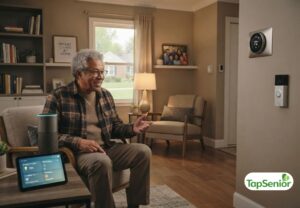
13. Add Smart Home Technology
Today’s technology can play an important role in independent living for seniors. Many smart devices improve convenience while enhancing safety for both older adults and their families.
Popular options include:
Smart Lighting
Lights can automatically turn on when motion is detected or follow a preset schedule.
This reduces nighttime falls and eliminates the need to search for switches.
Voice Assistants
Devices such as Google Nest or Amazon Alexa allow seniors to:
- Set medication reminders
- Make phone calls
- Listen to music
- Check weather forecasts
- Control lights
- Create shopping lists
Voice control is especially helpful for individuals with arthritis or mobility limitations.
Smart Doorbells
Video doorbells allow seniors to see who is outside without opening the door.
This adds convenience while improving home security.
Smart Thermostats
Maintaining a comfortable indoor temperature becomes easier with programmable thermostats.
Automatic adjustments also improve energy efficiency.
Emergency Alert Systems
Many seniors choose wearable emergency response devices.
With the push of a button, help can be contacted immediately in the event of a fall or medical emergency.
These systems provide peace of mind for both seniors and their loved ones.
14. Improve Storage Accessibility
Storage should support independence rather than create unnecessary risks.
Many household injuries occur while reaching for objects stored too high or too low.
Better storage solutions include:
- Pull-down shelving
- Pull-out drawers
- Rotating corner cabinets
- Adjustable closet rods
- Open shelving
- Clearly labeled storage bins
Frequently used items should remain between shoulder and waist height.
Avoid storing heavy objects above eye level.
Reducing unnecessary bending, stretching, and climbing makes everyday tasks much safer.
15. Upgrade Windows and Window Coverings
Windows contribute to comfort, safety, and energy efficiency.
Heavy curtains or difficult-to-open windows can become frustrating for seniors with reduced hand strength.
Consider installing:
- Easy-glide window systems
- Motorized blinds
- Larger window handles
- Energy-efficient windows
- Lower window locks
Improved natural lighting also supports better vision and emotional well-being.
16. Enhance Outdoor Living Spaces
Many older adults enjoy gardening, relaxing outdoors, or spending time with family on the patio.
Creating safer outdoor spaces encourages physical activity and social interaction.
Important improvements include:
- Even walking surfaces
- Handrails on outdoor steps
- Non-slip decking
- Comfortable seating
- Shade structures
- Raised garden beds
- Good pathway lighting
Raised planters allow seniors to continue gardening without excessive bending.
Smooth walkways reduce the chance of tripping over uneven concrete or exposed tree roots.
17. Improve Garage Safety
Garages often contain hidden hazards including poor lighting, clutter, slippery floors, and uneven thresholds.
Helpful upgrades include:
- Bright LED lighting
- Organized storage systems
- Non-slip floor coatings
- Automatic garage door openers
- Wide walking paths
Frequently used tools should remain easy to reach without climbing ladders.
18. Prepare for Emergencies
Emergency preparedness is an essential component of home safety for seniors.
Every household should have an emergency plan that includes:
- Emergency contact numbers
- Flashlights
- Extra batteries
- Drinking water
- First aid supplies
- Medication lists
- Portable phone chargers
Smoke detectors and carbon monoxide detectors should be tested regularly.
Many families also install monitored home security systems that automatically notify emergency services if alarms are triggered.
19. Improve Fire Safety
Fire safety deserves special attention.
Older adults may require additional time to evacuate during emergencies.
Helpful precautions include:
- Smoke alarms on every floor
- Carbon monoxide detectors
- Easy-to-reach fire extinguishers
- Clearly marked exits
- Fire-resistant cooking practices
- Automatic stove shut-off devices
Families should practice evacuation plans together and ensure mobility equipment can be quickly accessed if needed.
20. Consider Accessibility During Future Renovations
Many homeowners renovate kitchens, bathrooms, or living spaces without considering future accessibility.
Whenever remodeling is planned, incorporate features that support accessible home design.
Examples include:
- Zero-step entrances
- Wider hallways
- Reinforced bathroom walls for future grab bars
- Curbless showers
- Slip-resistant flooring
- Higher electrical outlets
- Lower light switches
These features often blend beautifully into modern home designs while providing long-term flexibility.
Budgeting for Home Modifications
Not every improvement needs to happen immediately.
Families often prioritize projects based on safety concerns and available budgets.
A practical approach is to divide modifications into three categories.
Low-Cost Improvements
These upgrades usually require minimal investment but offer immediate safety benefits.
Examples include:
- Removing loose rugs
- Installing brighter bulbs
- Adding night lights
- Rearranging furniture
- Securing electrical cords
- Installing non-slip bath mats
Mid-Range Improvements
These projects generally involve moderate costs.
Examples include:
- Grab bars
- Raised toilet seats
- Lever door handles
- New flooring
- Motion-sensor lighting
- Shower benches
Major Renovations
These larger projects require professional installation.
Examples include:
- Walk-in showers
- Stair lifts
- Wheelchair ramps
- Doorway widening
- Kitchen remodeling
- Home elevators
Planning modifications over several years can make accessibility improvements much more affordable.
Financial Assistance in Canada
Many Canadian seniors and caregivers are surprised to learn that financial assistance may be available for certain accessibility improvements.
Depending on the province or territory, homeowners may qualify for grants, tax credits, loans, or rebate programs that support aging in place and accessibility renovations.
Programs change periodically, so it is worthwhile to check with:
- Provincial government agencies
- Municipal accessibility offices
- Canada Mortgage and Housing Corporation (CMHC)
- Local senior support organizations
- Occupational therapists and healthcare providers
Some private insurance plans or veterans’ programs may also help cover eligible home modifications.
Understanding available funding can significantly reduce out-of-pocket expenses.
How Family Members Can Help
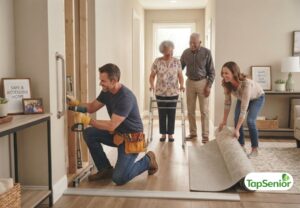
Creating a safer home is often a collaborative effort.
Family members can assist by:
- Identifying hazards during visits
- Helping organize storage areas
- Installing simple safety products
- Researching contractors
- Scheduling home assessments
- Encouraging preventive modifications
Open communication is essential.
Rather than waiting for an accident, families should discuss home safety early and involve seniors in every decision.
Maintaining independence should remain the primary goal.
Choosing Qualified Contractors
For larger renovations, selecting experienced professionals is critical.
Look for contractors who:
- Have experience with accessibility projects
- Provide written estimates
- Carry proper licensing and insurance
- Offer references
- Understand universal design principles
Never feel pressured into making immediate decisions.
Comparing multiple quotes often leads to better outcomes and fair pricing.
Common Mistakes to Avoid
Even well-intentioned renovations can fall short if they overlook practical needs. Avoiding these common mistakes can save both time and money.
One mistake is focusing only on current limitations instead of planning for future mobility changes. A home that works today should continue to support changing needs over the coming years.
Another mistake is choosing appearance over functionality. While aesthetics are important, safety should always remain the top priority.
Families should also avoid purchasing inexpensive products that are not designed to support body weight. For example, decorative towel bars should never be used as grab bars.
Poor lighting, cluttered hallways, unstable furniture, and slippery flooring are often underestimated but remain among the leading causes of falls.
Finally, delaying necessary modifications after recognizing safety concerns can increase the likelihood of preventable injuries.
The Long-Term Benefits of Home Modifications
Making a home safer does much more than reduce the risk of falls. It allows older adults to continue living with confidence, dignity, and independence in the place they know best.
Thoughtful modifications can also:
- Reduce caregiver stress
- Lower healthcare costs
- Improve daily comfort
- Support mental well-being
- Encourage physical activity
- Increase confidence
- Enhance social engagement
- Extend the ability to age in place
Many improvements also increase a home’s long-term value and appeal to future buyers seeking accessible living spaces.
As Canada’s population continues to age, accessible housing is becoming increasingly desirable across many communities.
Frequently Asked Questions
What is the most important home modification for seniors?
There is no single solution that fits every situation, but grab bars, improved lighting, non-slip flooring, and removing tripping hazards are among the most effective first steps for improving safety.
How much do home modifications usually cost?
Costs vary depending on the project. Simple improvements such as lighting upgrades and grab bars may cost only a few hundred dollars, while major renovations like walk-in showers or stair lifts can require a larger investment.
Are home modifications only for seniors with disabilities?
No. Many accessibility improvements are preventive measures that make homes safer and more comfortable for anyone, especially older adults who wish to remain independent as they age.
Can smart home technology really improve senior safety?
Yes. Motion-activated lighting, emergency alert systems, smart locks, voice assistants, and video doorbells can all reduce everyday risks while making daily routines easier.
Should I renovate before mobility problems become severe?
Absolutely. Planning ahead gives homeowners more flexibility, allows renovations to be completed without urgency, and creates a safer environment before accidents occur.
Conclusion
Creating a safe, comfortable, and accessible home is one of the most valuable investments seniors and their families can make. The best home modifications for seniors are those that address everyday challenges while supporting long-term independence. Whether the changes are as simple as improving lighting and removing loose rugs or as significant as installing a walk-in shower or stair lift, every improvement contributes to a safer living environment.
The key is to think proactively rather than reactively. By identifying potential hazards early and making thoughtful upgrades over time, older adults can enjoy greater confidence, maintain their routines, and continue living in the homes they cherish.
For families, these modifications provide reassurance that loved ones are better protected against preventable injuries while preserving the independence that is so important to healthy aging.
At TapSeniors, we believe every senior deserves the opportunity to age safely, comfortably, and with dignity. By combining practical home improvements with trusted support services, families can create an environment where older adults thrive, remain connected to their communities, and continue enjoying the highest possible quality of life for years to come.
Bài viết liên quan: