
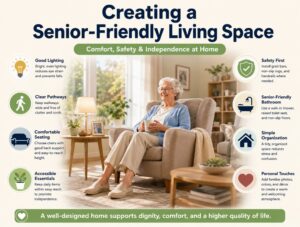
Creating a Senior-Friendly Living Space. As people grow older, the home that once felt perfectly comfortable may gradually become filled with unexpected challenges. A single step at the front entrance, poor lighting in the hallway, slippery bathroom floors, or cabinets placed too high can increase the risk of injuries and reduce confidence in performing everyday tasks. Creating a home that supports aging is not simply about adding safety equipment. It is about designing an environment that encourages independence, promotes physical and emotional well-being, and allows older adults to continue enjoying the comfort of familiar surroundings. Whether someone is planning ahead for retirement or already adapting to changing mobility, vision, or balance, creating a thoughtful living environment can significantly improve quality of life.
Many families today choose Aging in Place because remaining in a familiar neighborhood often provides emotional security, stronger community connections, and greater independence. Instead of moving into assisted living facilities, many seniors can continue living safely in their own homes with appropriate adjustments. A well-designed home reduces fall risks, makes daily activities easier, and supports healthy aging without sacrificing comfort or style.
A truly senior-friendly home combines practical design with modern technology and personalized solutions. From brighter lighting and wider walkways to ergonomic furniture and smart devices, every improvement contributes to a safer and more welcoming environment. Throughout this guide, you’ll discover practical strategies for creating a safer home, learn which upgrades offer the greatest benefits, and understand how thoughtful planning can help older adults maintain their independence for many years.
Why Creating a Senior-Friendly Living Space Matters
Growing older brings natural physical changes that affect the way people interact with their homes. These changes often happen gradually, making it easy to overlook hazards that once seemed insignificant.
Many older adults experience:
- Reduced balance
- Slower reaction times
- Decreased muscle strength
- Limited flexibility
- Reduced vision
- Hearing changes
- Arthritis or joint pain
- Memory challenges
While these changes are normal, the environment should adapt to the individual instead of forcing the individual to struggle with the environment.
Research consistently suggests that most falls occur inside or around the home. Fortunately, many of these accidents can be prevented through thoughtful planning and relatively simple modifications. Improving Home Safety for Seniors not only reduces injuries but also increases confidence, allowing older adults to move freely without constant fear of falling.
A senior-friendly home also supports mental health. Living independently often gives older adults a stronger sense of purpose, autonomy, and dignity. Familiar surroundings can reduce stress, especially for those experiencing mild cognitive decline.
Understanding the Changing Needs of Older Adults
Before making any home improvements, it is helpful to understand how aging affects everyday activities.
Mobility Changes
Walking may become slower.
Climbing stairs may become exhausting.
Standing for extended periods may cause discomfort.
Getting in and out of chairs becomes more difficult.
Simple design improvements can dramatically reduce physical strain.
Vision Changes
Older adults often require:
- Brighter lighting
- Better color contrast
- Larger labels
- Reduced glare
Dark hallways or poorly illuminated staircases become much more dangerous as eyesight changes.
Balance and Coordination
Even healthy seniors can experience reduced balance. Loose rugs, electrical cords, and uneven flooring suddenly become significant hazards.
Designing with Fall Prevention in mind should be one of the highest priorities.
Cognitive Changes
Some seniors may occasionally forget to turn off appliances, lock doors, or take medications.
Modern technologies can provide reminders and additional safety without limiting independence.
Planning Before Renovating
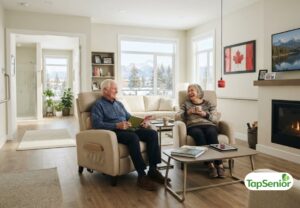
Every older adult has unique needs.
Rather than making random improvements, begin by evaluating daily routines.
Ask questions such as:
- Which rooms are used most often?
- Where do slips almost happen?
- Which tasks feel more difficult today than five years ago?
- Are stairs becoming challenging?
- Is reaching upper cabinets uncomfortable?
- Are nighttime trips to the bathroom difficult?
Answering these questions helps prioritize improvements that will have the greatest impact.
Many occupational therapists also perform home safety assessments that identify hidden risks families may overlook.
Designing a Safer Entryway
The entrance creates the first impression of the home, but it should also provide safe access.
Improve Outdoor Lighting
Motion-activated lighting improves visibility after dark while reducing electricity costs.
Bright lighting around pathways also helps visitors and caregivers.
Eliminate Trip Hazards
Inspect walkways for:
- Uneven pavement
- Loose bricks
- Cracked concrete
- Tree roots
- Garden hoses
- Clutter
Smooth walking surfaces reduce unnecessary risks.
Install Handrails
Strong handrails on both sides of steps provide additional stability.
Handrails should extend beyond the final step whenever possible.
Consider a Ramp
If climbing stairs becomes difficult, a professionally installed ramp can greatly improve accessibility.
This is one of the most valuable Senior Home Modifications for individuals using walkers or wheelchairs.
Easy-to-Use Door Hardware
Round doorknobs can be difficult for people with arthritis.
Lever-style handles require much less grip strength and make entering the home easier.
Creating a Comfortable Living Room
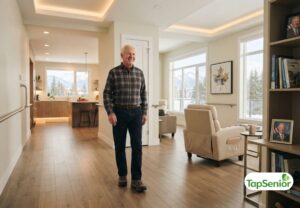
The living room often serves as the center of daily life.
It should encourage relaxation while remaining easy to navigate.
Arrange Furniture Thoughtfully
Leave wide walking paths throughout the room.
Avoid placing decorative tables where they narrow pathways.
Mobility aids such as walkers should move easily between furniture.
Choose Stable Furniture
Lightweight furniture may slide unexpectedly.
Select sturdy sofas and chairs that remain stable when sitting down or standing up.
Comfortable Seat Height
Very low sofas force older adults to use extra effort when standing.
Higher seat cushions make transitions much easier.
Rounded Furniture Corners
Sharp corners increase injury risk during falls.
Rounded designs provide a safer alternative.
Reduce Clutter
Decorations should enhance comfort without creating obstacles.
Keep floors clear of:
- Magazines
- Shoes
- Electrical cords
- Extension cables
- Pet toys
A clean environment improves both safety and peace of mind.
Building a Senior-Friendly Kitchen
The kitchen remains one of the busiest areas in the home.
Simple improvements make meal preparation easier and safer.
Organize Frequently Used Items
Store everyday dishes, cookware, and ingredients between waist and shoulder height.
Avoid requiring step stools.
Reaching overhead increases fall risk.
Improve Cabinet Accessibility
Pull-out shelves make it easier to reach pots and pans.
Lazy Susans improve access inside corner cabinets.
Soft-close drawers reduce accidental injuries.
Select Easy-to-Grip Hardware
Large cabinet pulls are easier to grasp than small knobs.
People with arthritis often find them much more comfortable.
Install Non-Slip Flooring
Kitchen spills happen regularly.
Slip-resistant flooring provides better traction even when wet.
Improve Counter Lighting
Food preparation requires excellent visibility.
Under-cabinet lighting eliminates shadows and makes cooking safer.
Consider Different Counter Heights
Some older adults prepare meals while seated.
Lower countertop sections increase accessibility without requiring major kitchen redesigns.
Lighting Makes Every Room Safer
Lighting is one of the simplest yet most effective ways to improve a senior-friendly home.
Unfortunately, many homes are darker than people realize.
Older eyes require significantly more light than younger eyes to perform the same tasks comfortably.
Layer Lighting
Instead of relying on one ceiling fixture, combine:
- Ambient lighting
- Task lighting
- Accent lighting
This approach reduces shadows and improves visibility throughout the home.
Add Night Lights
Nighttime trips to the bathroom are common.
Automatic night lights in hallways, bedrooms, and bathrooms reduce falls during the night.
Reduce Glare
Bright reflections can temporarily reduce visibility.
Choose lampshades and window coverings that soften harsh sunlight.
Use Contrasting Colors
Light switches should contrast with wall colors.
Door frames, stair edges, and countertops can also benefit from improved visual contrast.
These small changes help individuals with reduced vision navigate more confidently.
Flooring and Fall Prevention
Falls remain one of the leading causes of injury among older adults.
Fortunately, flooring improvements can greatly reduce these risks.
Remove Loose Rugs
Area rugs often slide unexpectedly.
If rugs are necessary, secure them using non-slip backing.
Avoid Thick Carpeting
Deep carpet may catch walkers or canes.
Low-pile carpeting provides better stability.
Repair Uneven Floors
Small height differences between rooms can become serious tripping hazards.
Repair transitions promptly.
Keep Floors Dry
Bathrooms and kitchens should be cleaned immediately after spills.
Moisture significantly increases slipping risk.
Manage Electrical Cords
Route cords along walls instead of across walking paths.
Cord organizers help keep them neatly secured.
Every flooring improvement contributes to better Independent Living by making movement easier and reducing unnecessary risks.
Choosing the Right Furniture
Furniture should support both comfort and mobility.
Beautiful design and accessibility can easily coexist.
Chairs with Armrests
Armrests provide leverage when sitting down or standing up.
This feature becomes increasingly valuable with age.
Firm Cushions
Extremely soft furniture may feel comfortable initially but makes standing more difficult.
Medium-firm cushions usually offer the best balance.
Adjustable Recliners
Modern recliners often include lift assistance.
These chairs gently help individuals transition to standing with less strain on knees and hips.
Stable Tables
Coffee tables should not wobble.
Glass tables may be difficult to see and can become dangerous during falls.
Solid wood or durable composite materials are often safer choices.
Proper Bedside Seating
If space allows, place a supportive chair in the bedroom for dressing or putting on shoes.
This reduces the need to balance on one foot.

Supporting Mobility Throughout the Home
Walking aids should fit naturally into the home’s design rather than creating obstacles.
Leave sufficient space for:
- Walkers
- Rollators
- Canes
- Wheelchairs
Doorways should remain clear.
Furniture should never block emergency exits.
Homes designed around Mobility Aids often feel more spacious and organized for everyone, not just seniors.
Small Improvements That Make a Big Difference
Not every upgrade requires a major renovation.
Some inexpensive changes can immediately improve daily life.
Examples include:
- Lever-style faucets
- Rocker light switches
- Large-print thermostats
- Easy-grip kitchen utensils
- Anti-fatigue kitchen mats with non-slip backing
- Cordless phones with large buttons
- Magnifying mirrors
- Clearly labeled storage bins
- Easy-to-read clocks
- Medication organizers
Each individual improvement may seem minor, but together they create a home that feels safer, more efficient, and more enjoyable to live in.
Thinking Ahead Instead of Reacting
One common mistake families make is waiting until an injury occurs before making changes.
Planning ahead allows renovations to happen gradually and often at a lower cost.
Even healthy adults in their sixties can begin incorporating Accessible Home Design principles into remodeling projects. Wider hallways, step-free entrances, brighter lighting, and ergonomic fixtures will continue providing benefits for decades.
Future-focused planning also reduces the emotional and financial stress that often follows a sudden illness or hospitalization.
Instead of rushing to modify a home during a crisis, thoughtful preparation creates a living space that is ready to support changing needs whenever they arise.
Creating a Comfortable and Safe Bedroom
The bedroom should be a place of rest and relaxation, but it should also support safe movement, especially during the night. Many falls occur when older adults get out of bed to use the bathroom or retrieve something in the dark. Thoughtful bedroom design can significantly reduce these risks while improving comfort and independence.
Choose the Right Bed Height
A bed that is too high can make it difficult to get in safely, while one that is too low may require excessive effort to stand up.
Ideally, when sitting on the edge of the bed, both feet should rest flat on the floor with the knees bent at approximately 90 degrees.
Adjustable beds can be an excellent investment because they allow users to change sleeping positions, making it easier to get in and out of bed while also improving comfort for individuals with arthritis, back pain, or circulation issues.
Keep Essentials Within Reach
Frequently used items should always be accessible without stretching or bending.
Consider keeping nearby:
- Glasses
- Telephone
- Medication
- Flashlight
- Water bottle
- Reading lamp
- Emergency alert device
Having these necessities within arm’s reach minimizes unnecessary movement during the night.
Install Adequate Night Lighting
Motion-activated night lights provide a safe path from the bedroom to the bathroom.
Soft lighting reduces glare while helping older adults navigate unfamiliar surroundings after waking.
Eliminate Bedroom Hazards
Avoid clutter around the bed.
Electrical cords should never cross walking areas.
Shoes, blankets, and storage boxes should remain off the floor.
Simple organization plays an important role in Fall Prevention.
Making the Bathroom Safer
Bathrooms present one of the highest risks for slips and falls because of water, smooth surfaces, and limited space.
Fortunately, many improvements are affordable and highly effective.
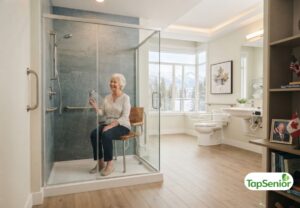
Install Grab Bars
Grab bars provide stability while:
- Entering the shower
- Exiting the bathtub
- Sitting on the toilet
- Standing up
Unlike towel racks, properly installed grab bars are designed to support body weight.
Use Walk-In Showers
Traditional bathtubs require lifting the legs over a high edge.
Walk-in showers eliminate this obstacle and are easier to access for individuals using walkers or wheelchairs.
A zero-threshold shower offers even greater accessibility.
Add a Shower Chair
Standing for long periods may become tiring.
A waterproof shower chair allows seniors to bathe comfortably while reducing fatigue and lowering the risk of falls.
Handheld Showerheads
A handheld showerhead provides greater flexibility and makes bathing easier while seated.
It also assists caregivers when additional help is needed.
Non-Slip Surfaces
Install non-slip mats both inside and outside the shower.
Choose flooring materials specifically designed for wet environments.
Raised Toilet Seats
Raised toilet seats reduce strain on the knees and hips.
Some models include armrests that offer additional support when standing.
These bathroom improvements represent some of the most valuable Senior Home Modifications available.
Creating an Accessible Kitchen for Long-Term Independence
The kitchen should encourage healthy eating without placing unnecessary physical demands on older adults.
Upgrade Appliances
Modern appliances often include features such as:
- Automatic shutoff
- Large digital displays
- Easy-to-read controls
- Voice assistance
- Timers with audible alerts
These features improve both safety and convenience.
Improve Storage
Store heavy cookware in lower drawers instead of upper cabinets.
Frequently used items should remain between waist and shoulder level.
Avoid climbing on stools whenever possible.
Easy-to-Read Labels
Large-print labels help identify spices, medications, and pantry items quickly.
Clear organization also reduces frustration during meal preparation.
Comfortable Flooring
Standing for extended periods can become tiring.
Supportive anti-fatigue mats with non-slip backing provide additional comfort while cooking.
Smart Technology That Supports Independent Living
Technology has transformed the way older adults manage their homes.
Today’s Smart Home Technology for Seniors focuses on improving safety while preserving independence.
Smart Lighting
Voice-controlled lighting eliminates the need to search for switches.
Lights can also be scheduled to turn on automatically in the evening.
Smart Doorbells
Video doorbells allow seniors to see visitors without opening the door.
This enhances both security and peace of mind.
Voice Assistants
Smart speakers can:
- Set medication reminders
- Provide weather updates
- Answer questions
- Make phone calls
- Control lighting
- Play music
- Read audiobooks
These devices are especially helpful for individuals with limited mobility.
Smart Thermostats
Maintaining a comfortable indoor temperature is important for older adults.
Smart thermostats automatically adjust heating and cooling while reducing energy costs.
Emergency Alert Systems
Wearable emergency buttons allow seniors to call for help immediately after a fall.
Many modern systems automatically detect falls and notify family members or emergency services.
Improving Indoor Air Quality
Healthy air contributes to healthy aging.
Older adults often spend more time indoors, making indoor air quality especially important.
Improve Ventilation
Open windows whenever weather permits.
Use exhaust fans in kitchens and bathrooms to reduce moisture.
Replace Air Filters
HVAC filters should be changed regularly according to manufacturer recommendations.
Clean filters improve airflow while reducing dust and allergens.
Control Humidity
High humidity encourages mold growth.
Low humidity can dry the skin and airways.
Maintaining moderate indoor humidity creates a more comfortable environment.
Reduce Indoor Pollutants
Choose low-VOC paints, cleaning products, and furniture whenever possible.
Avoid smoking indoors.
Proper ventilation improves respiratory health and overall comfort.
Designing Safe Outdoor Spaces
A senior-friendly home extends beyond the front door.
Outdoor areas should remain enjoyable, accessible, and easy to maintain.
Smooth Walking Paths
Repair uneven sidewalks and pathways.
Use slip-resistant materials whenever possible.
Comfortable Seating
Place sturdy benches or chairs throughout gardens and patios.
Frequent resting opportunities encourage outdoor activity.
Raised Garden Beds
Gardening remains one of the most popular hobbies among older adults.
Raised beds reduce bending and kneeling while making gardening more accessible.
Proper Lighting
Illuminate pathways, driveways, and entrances.
Solar-powered lighting can be an energy-efficient option.
Handrails on Outdoor Steps
Exterior stairs should include secure handrails and high-visibility edges.
These improvements support Independent Living by making outdoor spaces safer throughout the year.
Organizing the Home for Daily Success
Organization simplifies everyday routines.
When everything has a designated location, daily tasks become easier and less stressful.
Consider organizing:
- Medications
- Important documents
- Emergency contacts
- Medical equipment
- Cleaning supplies
- Kitchen utensils
Clear storage containers and large-print labels improve accessibility.
Decluttering also creates wider walking paths throughout the home.
Preparing for Emergencies
Emergency planning is an essential part of creating a senior-friendly living space.
Preparation helps older adults remain calm during unexpected situations.
Create an Emergency Kit
Include:
- Bottled water
- Non-perishable food
- Flashlights
- Extra batteries
- First-aid supplies
- Prescription medications
- Medical information
- Cell phone charger
- Emergency contact list
Review supplies regularly and replace expired items.
Develop an Emergency Plan
Family members should know:
- Emergency contact numbers
- Medical conditions
- Medication schedules
- Preferred hospitals
- Home entry procedures
Practice emergency plans together so everyone understands their role.
Supporting Seniors with Memory Challenges
For individuals experiencing mild memory loss, environmental design becomes even more important.
Helpful strategies include:
- Clearly labeled rooms
- Large calendars
- Digital reminder systems
- Medication organizers
- Consistent furniture placement
- Simple home layouts
Reducing unnecessary complexity helps minimize confusion and promotes confidence.
Budget-Friendly Home Improvements
Creating a safer home does not always require major renovations.
Many affordable upgrades provide excellent value.
Examples include:
- LED lighting
- Non-slip bath mats
- Grab bars
- Lever-style door handles
- Motion-sensor lights
- Raised toilet seats
- Furniture risers
- Cabinet organizers
- Smart plugs
- Large-print clocks
Over time, these small improvements combine to create a significantly safer environment.
Involving Seniors in Every Decision
Perhaps the most important principle of creating a senior-friendly living space is involving the older adult in every decision.
Every individual has different preferences, routines, and priorities.
Some people value maintaining traditional home aesthetics.
Others prioritize maximum accessibility.
Listening carefully ensures that modifications enhance independence rather than creating unnecessary frustration.
Respecting personal preferences also supports emotional well-being and encourages acceptance of home improvements.
Frequently Asked Questions
What is a senior-friendly living space?
A senior-friendly living space is a home designed to support the changing physical, sensory, and cognitive needs of older adults. It focuses on safety, accessibility, comfort, and independence through thoughtful design and practical modifications.
What is the most important home improvement for seniors?
There is no single solution that fits everyone. However, improving lighting, removing tripping hazards, installing grab bars, and enhancing Home Safety for Seniors are among the most effective upgrades for reducing fall risks.
How can I help my parents age safely at home?
Begin with a home safety assessment. Address immediate hazards, improve lighting, install supportive equipment where needed, and consider adding Smart Home Technology for Seniors to provide reminders, emergency assistance, and greater peace of mind.
Are home modifications expensive?
Some renovations, such as walk-in showers or ramps, can require a larger investment. However, many valuable improvements, including non-slip mats, grab bars, brighter lighting, and furniture rearrangement, are affordable and can make a meaningful difference.
When should families begin planning?
The best time is before significant mobility challenges develop. Planning early allows families to spread out costs, make thoughtful decisions, and avoid rushed modifications following an illness or injury.
Final Thoughts
Creating a senior-friendly living space is about much more than preventing accidents. It is about building a home that empowers older adults to continue living with confidence, dignity, and independence. Every improvement, whether large or small, contributes to a safer environment that supports daily activities and enhances overall quality of life.
Thoughtful design begins with understanding the unique needs of each individual. Brighter lighting, safer flooring, supportive furniture, accessible bathrooms, organized kitchens, and modern technology all work together to reduce physical barriers while making everyday routines easier. As needs evolve over time, homes can continue to adapt, ensuring that older adults remain comfortable in the place they know and love.
Families also play an important role in this process. Open conversations, regular home safety evaluations, and proactive planning can prevent many common hazards before they become serious problems. By investing in Accessible Home Design, embracing Aging in Place, and prioritizing Senior Home Modifications, families create environments where older adults can thrive physically, emotionally, and socially.
At TapSeniors, we believe every older adult deserves a home that supports independence and enriches daily life. Whether you are helping a parent prepare for retirement, caring for a loved one recovering from illness, or planning your own future, making thoughtful changes today can provide lasting benefits for years to come.
Explore more expert guides, caregiving resources, wellness tips, and practical advice at TapSeniors to help you create a safer, healthier, and more comfortable home for every stage of aging.
Bài viết liên quan: