
Healthy Advocacy: Seniors Mobilize to Meet the Challenges of Good Nutrition. Growing older should never mean giving up the opportunity to live an active, healthy, and independent life. Yet for many older adults, maintaining good nutrition is about much more than choosing healthy foods. It also depends on whether fresh produce is available nearby, whether sidewalks are safe enough to reach local stores, whether transportation is accessible, and whether communities truly listen to the voices of seniors. Across many neighborhoods, older adults are proving that healthy aging is not only about personal choices but also about collective action. When seniors become advocates for themselves and their communities, they create meaningful improvements that benefit everyone. From expanding access to nutritious foods to making neighborhoods safer for walking and mobility devices, these efforts demonstrate that lasting health begins with empowerment. Healthy advocacy gives older adults the confidence to identify problems, work with community organizations, and develop practical solutions that improve daily life. Their experiences show that good nutrition, regular physical activity, and social engagement are closely connected. By encouraging seniors to participate in community decisions, neighborhoods become healthier, more inclusive, and more supportive of aging populations. At TapSeniors, we believe every older adult deserves access to healthy food, safe environments, and opportunities to thrive. The inspiring stories shared throughout this article demonstrate how communities can work together to remove barriers and build a healthier future for seniors everywhere.
Healthy Aging Requires More Than Personal Responsibility
When discussing healthy aging, conversations often focus on eating balanced meals, exercising regularly, and attending routine medical appointments. While these habits are essential, they represent only one side of the equation.
Many seniors face challenges that cannot be solved by motivation alone. Even someone committed to eating healthier may struggle if fresh vegetables are unavailable nearby. Likewise, an older adult who enjoys daily walks may stop exercising if broken sidewalks or unsafe crossings make leaving home dangerous.
Health is shaped not only by individual choices but also by the environment surrounding those choices.
Older adults often encounter barriers such as:
- Limited transportation to grocery stores
- Poor sidewalk conditions
- Lack of nearby supermarkets
- High prices for fresh produce
- Physical mobility limitations
- Social isolation
- Limited access to nutrition education
These obstacles may seem unrelated at first, yet together they significantly influence nutrition, physical activity, and overall well-being.
Healthy advocacy recognizes these challenges and encourages communities to remove unnecessary barriers so seniors can continue living independently.
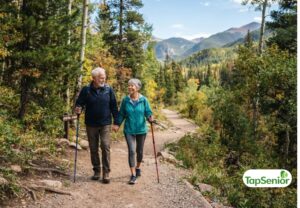
Why Community Advocacy Matters for Seniors
Advocacy is sometimes misunderstood as political activism. In reality, community advocacy simply means helping improve everyday life by identifying problems and working together to solve them.
Many older adults do not view themselves as activists. Instead, they see themselves as neighbors who want safer streets, healthier food options, and better opportunities for everyone.
This perspective changes everything.
Rather than waiting for someone else to solve local problems, seniors become active participants in creating positive change.
Community advocacy allows older adults to:
- Share firsthand experiences with local leaders
- Identify safety concerns
- Improve neighborhood accessibility
- Increase access to nutritious foods
- Encourage healthier lifestyles
- Strengthen relationships among residents
- Build confidence and independence
When seniors become involved, decision-makers gain valuable insights that statistics alone cannot provide.
The Connection Between Nutrition and Neighborhood Design
Good nutrition begins long before food reaches the dinner table.
Consider the journey many seniors must take simply to purchase groceries.
If sidewalks are cracked or incomplete, individuals using walkers, canes, or wheelchairs may find traveling difficult or dangerous.
If grocery stores are several miles away without reliable transportation, buying fresh fruits and vegetables becomes much more challenging.
If convenience stores dominate the neighborhood, processed foods often become the easiest option.
These environmental barriers influence eating habits every day.
Communities that prioritize safe sidewalks, accessible transportation, nearby markets, and pedestrian-friendly streets create conditions where healthy choices become easier.
This approach shifts responsibility from individuals alone toward creating environments that support healthier living.
The NEAT Project: Empowering Older Adults Through Action
One inspiring example of community-driven health improvement comes from an initiative known as the Neighborhood Eating and Activity Together (NEAT) Project.
Rather than simply teaching nutrition classes, the project focused on helping older adults improve the neighborhoods where they lived.
The goal was straightforward:
Help seniors become healthier by making healthy living easier.
Instead of treating seniors as passive recipients of services, the project encouraged them to become leaders capable of identifying local problems and working toward practical solutions.
The initiative centered on two important behaviors known to reduce the risk of chronic disease:
- Increasing physical activity
- Improving access to healthy nutrition
These two goals were approached together because they naturally support one another.
Walking becomes easier when neighborhoods are safer.
Healthy eating becomes easier when fresh foods are available.
Together, these improvements strengthen independence and quality of life.
Listening to Seniors First
One of the most important lessons from successful community programs is that solutions should begin by listening.
Rather than assuming what older adults needed, project organizers asked residents about their experiences.
The responses were remarkably consistent.
Seniors wanted to remain active.
They wanted healthier food.
They wanted safe neighborhoods.
They wanted opportunities to enjoy nature, spend time outdoors, and remain connected to their communities.
These priorities guided every step of the initiative.
Instead of imposing outside solutions, organizers collaborated with residents to design improvements that reflected real daily needs.
This partnership built trust while encouraging seniors to take ownership of the process.
Walking Through the Neighborhood Together
A simple neighborhood walk became one of the project’s most valuable activities.
Residents and organizers explored local streets together, observing everyday challenges that often went unnoticed.
During these walks, seniors identified numerous concerns, including:
- Missing sidewalks
- Uneven pavement
- Trees blocking pathways
- Dangerous street crossings
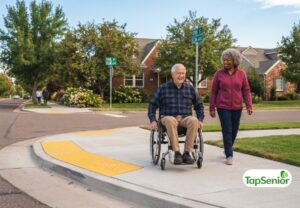
- Limited wheelchair accessibility
- Unsafe routes to grocery stores
For individuals using mobility scooters or wheelchairs, these problems created serious safety risks.
In some cases, residents had no choice but to travel in the roadway alongside moving traffic because sidewalks ended unexpectedly or were too damaged to use safely.
These experiences demonstrated that transportation safety and nutrition are closely connected.
If reaching the grocery store becomes dangerous, healthy eating becomes more difficult.
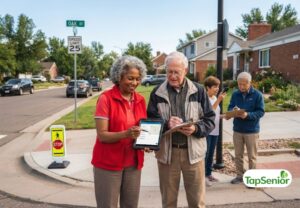
Seeing Problems Through the Eyes of Older Adults
Government agencies often rely on reports, surveys, and engineering data when deciding where improvements are needed.
While these tools provide valuable information, they rarely capture the everyday experiences of older adults.
For example, a sidewalk may technically meet city standards while remaining extremely difficult for someone using a walker.
A crosswalk may appear adequate on paper but feel unsafe to an individual with slower walking speed.
By inviting policymakers to walk alongside seniors, communities gain a much deeper understanding of real-world challenges.
Seeing conditions firsthand often creates stronger motivation for change than reviewing reports alone.
This human perspective adds meaning to the numbers.
Empowerment Creates Lasting Change
Perhaps the greatest strength of community advocacy is empowerment.
When older adults realize their voices matter, they become more confident participating in local decisions.
Instead of depending entirely on outside organizations, seniors begin initiating conversations, attending meetings, and proposing solutions.
This shift produces lasting benefits beyond any single project.
Participants often report increased confidence, stronger social connections, and a renewed sense of purpose.
These emotional benefits are important because mental well-being directly influences physical health.
Feeling heard encourages continued participation in healthy activities.
Feeling connected reduces isolation.
Feeling capable strengthens independence.
Technology Gives Seniors a Stronger Voice
Modern technology has become a valuable tool for community advocacy.
Rather than relying only on written reports, seniors can now document neighborhood conditions using mobile devices and tablets.
During community assessments, older adults photograph sidewalks, intersections, parks, grocery stores, and public spaces.
They also record spoken observations explaining why a particular location presents challenges.
For example, a photograph of a broken sidewalk becomes far more powerful when accompanied by a resident’s explanation:
“I have to leave the sidewalk and enter traffic every time I come here with my wheelchair.”
These personal stories transform statistics into meaningful experiences that policymakers can understand more clearly.
Technology helps preserve those voices while making communication more effective.
Combining Data with Personal Experience
Community planning often depends on quantitative information such as traffic counts, injury statistics, or demographic data.
While these numbers are important, they tell only part of the story.
Successful advocacy combines objective evidence with lived experience.
A city may know that a neighborhood contains many older adults.
Residents can explain exactly which intersections feel unsafe.
Officials may know where grocery stores are located.
Seniors can explain whether reaching those stores is realistic for someone using a walker or mobility scooter.
This combination of data and personal experience produces stronger, more informed decisions.
Communities benefit when both perspectives receive equal attention.
Access to Fresh Food Is a Community Health Issue
Nutrition is influenced not only by knowledge but also by availability.
Many neighborhoods lack convenient access to supermarkets offering affordable fruits and vegetables.
Instead, residents may depend on small convenience stores with limited healthy options.
For older adults, especially those with limited transportation or mobility, these conditions can make nutritious eating far more difficult than healthcare providers often realize.
Without regular access to fresh produce, maintaining diets rich in vitamins, minerals, and fiber becomes challenging.
Recognizing this reality shifts the conversation from blaming individual choices toward improving community resources.
Healthy eating should not depend on luck or geography.
Communities that invest in better food access help seniors maintain healthier lifestyles while reducing long-term risks associated with chronic diseases such as diabetes, heart disease, and hypertension.
Creating healthier communities requires collaboration. While older adults can identify the challenges they face, meaningful improvements often happen when local organizations, nonprofits, businesses, and government agencies work together.
One of the most effective strategies highlighted by community health initiatives is building partnerships that focus on improving food access. Instead of assuming that healthy food was readily available, organizers worked directly with neighborhood grocery stores, community markets, and nonprofit organizations to understand what barriers existed.
In many underserved neighborhoods, fresh fruits and vegetables were either unavailable, offered in limited quantities, or priced beyond what many seniors could comfortably afford. For older adults living on fixed incomes, these obstacles often resulted in purchasing less nutritious but more affordable processed foods.
Community leaders responded by creating partnerships that expanded access to healthier options. Local farmers’ markets became valuable resources, providing seasonal produce while supporting regional agriculture. Even more importantly, financial assistance programs helped reduce the cost of purchasing fresh food.
When healthy foods become both available and affordable, seniors are far more likely to include them in their daily diets.
This demonstrates an important lesson: improving nutrition is not simply about encouraging better eating habits. It also means ensuring that healthier choices are practical and accessible.
Financial Support Makes Healthy Eating Possible
For many older adults, budgeting carefully is a normal part of daily life. Rising food prices can make purchasing fresh produce seem like a luxury rather than a routine habit.
Community programs that provide food vouchers, subsidies, or nutrition assistance can significantly improve dietary quality without placing additional financial pressure on seniors.
These programs accomplish several important goals:
- Encourage purchases of fresh fruits and vegetables
- Support local farmers and community markets
- Improve nutritional intake
- Reduce food insecurity
- Promote healthier aging
Small investments in nutrition often produce substantial long-term health benefits by helping prevent chronic diseases and reducing healthcare costs.
Community Gardens Bring More Than Fresh Vegetables
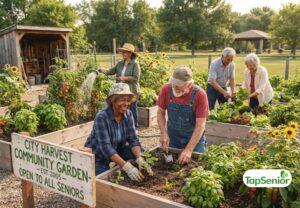
One of the most inspiring aspects of community nutrition initiatives is the development of shared gardens.
A community garden offers much more than a place to grow vegetables.
It becomes a gathering place.
A classroom.
A source of exercise.
A place for conversation.
A reminder that growth continues at every stage of life.
Many older adults enjoy gardening because it combines gentle physical activity with meaningful purpose. Planting seeds, watering vegetables, harvesting crops, and maintaining garden beds encourage movement while providing opportunities for social interaction.
Gardening also reconnects seniors with nature.
Many participants describe spending time outdoors as calming, peaceful, and emotionally restorative.
The simple act of tending plants can reduce stress while encouraging mindfulness and emotional well-being.
Community gardens demonstrate that healthy nutrition begins long before food reaches the kitchen.
Gardening Supports Physical Health
Gardening provides numerous health benefits that are especially valuable for older adults.
Activities such as digging, planting, watering, and harvesting involve gentle movements that improve flexibility, strength, balance, and coordination.
Unlike structured exercise programs, gardening often feels enjoyable rather than demanding.
It naturally encourages regular movement.
Additional physical benefits include:
- Improved hand strength
- Better mobility
- Increased endurance
- Enhanced balance
- More time spent outdoors
- Greater exposure to natural sunlight
Combined with nutritious foods, these activities contribute to healthier aging.
Gardening Supports Mental and Emotional Well-Being
The emotional benefits of gardening are equally important.
Many seniors experience loneliness following retirement, relocation, or the loss of loved ones.
Community gardens provide opportunities to reconnect with others through shared goals and meaningful conversations.
Working together creates friendships.
Watching plants grow creates optimism.
Harvesting vegetables creates accomplishment.
These experiences strengthen emotional resilience while reducing social isolation.
Research consistently shows that maintaining social connections supports cognitive health, emotional well-being, and overall quality of life throughout the aging process.
Learning How to Cook Healthy Foods
Access to fresh produce is only part of the solution.
Some older adults simply have not had opportunities to learn how to prepare unfamiliar vegetables or incorporate healthier ingredients into traditional recipes.
Nutrition education fills this gap.
Cooking classes help seniors:
- Learn simple preparation techniques
- Reduce sodium intake
- Increase vegetable consumption
- Prepare balanced meals
- Stretch grocery budgets
- Build confidence in the kitchen
Importantly, these classes respect cultural food traditions rather than replacing them.
Healthy cooking does not require abandoning favorite meals.
Instead, it encourages small adjustments that improve nutritional value while preserving familiar flavors.
Education Creates Lasting Habits
Nutrition education is most effective when it focuses on practical skills.
Rather than overwhelming participants with scientific information, successful programs teach everyday strategies that can be applied immediately.
Examples include:
- Reading nutrition labels
- Planning balanced meals
- Shopping on a budget
- Proper food storage
- Cooking seasonal produce
- Choosing healthier cooking methods
When seniors gain confidence preparing nutritious meals, healthy eating becomes sustainable rather than temporary.
Education empowers independence.
Advocacy Improves More Than Nutrition
One remarkable outcome of community advocacy is that improvements often extend well beyond food.
As seniors become engaged in neighborhood projects, they frequently experience increased confidence and stronger social connections.
They discover that their opinions matter.
Their experiences have value.
Their voices influence decisions.
This sense of purpose contributes significantly to healthy aging.
Research consistently links meaningful social engagement with:
- Better mental health
- Lower rates of depression
- Improved cognitive function
- Increased physical activity
- Greater life satisfaction
Healthy advocacy therefore strengthens both communities and individuals.
Seniors Are Experts in Their Own Communities
One of the greatest misconceptions in community planning is assuming professionals always know best.
Urban planners, healthcare providers, and policymakers bring valuable expertise.
However, seniors possess something equally valuable:
Daily lived experience.
They know:
- Which sidewalks are unsafe
- Which intersections are difficult to cross
- Which stores offer affordable produce
- Which services are accessible
- Which barriers prevent healthy living
When communities listen carefully to older adults, solutions become more practical and more effective.
The best policies are often created with seniors, not merely for seniors.
Healthy Communities Benefit Everyone
Although many advocacy initiatives focus on older adults, the resulting improvements help people of all ages.
Safer sidewalks benefit parents pushing strollers.
Accessible crossings help individuals with disabilities.
Farmers’ markets improve food access for entire neighborhoods.
Community gardens strengthen relationships among residents.
Walking trails encourage physical activity for families.
In this way, investments made for seniors create healthier communities for everyone.
Age-friendly communities become people-friendly communities.
Lessons Communities Can Learn
The experiences shared through successful community health programs reveal several important lessons.
First, meaningful change begins by listening to residents rather than making assumptions.
Second, healthy eating depends on access as much as education.
Third, neighborhood design directly influences physical activity and nutrition.
Fourth, collaboration between community organizations creates stronger results than isolated efforts.
Finally, empowering seniors to participate in decisions builds lasting improvements that continue long after individual projects end.
These lessons can be applied in communities everywhere.
How Families Can Support Healthy Nutrition for Older Adults
Family members play an important role in encouraging healthy lifestyles.
Simple actions can make a meaningful difference:
- Shop for fresh produce together.
- Prepare healthy meals as a family.
- Visit local farmers’ markets.
- Encourage outdoor activities.
- Help maintain home gardens.
- Support participation in community programs.
- Listen to seniors’ ideas and experiences.
- Encourage independence whenever possible.
Healthy aging works best as a partnership between individuals, families, healthcare providers, and communities.
The Role of TapSeniors in Supporting Healthy Aging
At TapSeniors, we understand that healthy aging extends beyond medical care. It includes nutrition, mobility, social connection, personal independence, and access to supportive community services.
Our mission is to help older adults and their families navigate the challenges of aging with confidence. Whether it’s connecting seniors with trusted local services, promoting wellness resources, or encouraging active lifestyles, we believe every older adult deserves the opportunity to live with dignity and purpose.
The stories highlighted in this article remind us that seniors are not passive recipients of care. They are leaders, mentors, neighbors, and advocates who continue contributing valuable knowledge and experience to their communities.
When communities invest in seniors, everyone benefits.
Key Takeaways
Healthy advocacy demonstrates that improving nutrition requires more than individual motivation. Safe neighborhoods, accessible transportation, affordable fresh food, community partnerships, education, and opportunities for social engagement all contribute to healthier aging.
Older adults possess invaluable knowledge about their communities and should be included in conversations that shape local policies and services. Their lived experiences help identify barriers that may otherwise go unnoticed, leading to practical improvements that enhance quality of life for people of all ages.
By combining nutrition education with improved access to healthy foods, community gardens, safe public spaces, and meaningful participation in local decision-making, communities can create environments where seniors not only live longer but also live better.
Healthy aging is not achieved through one program or one organization alone. It is built through collaboration, respect, and the belief that every older adult deserves the opportunity to remain active, independent, and connected.
Frequently Asked Questions
Why is community advocacy important for senior nutrition?
Community advocacy helps identify barriers such as limited access to fresh food, unsafe sidewalks, inadequate transportation, and a lack of nutrition resources. Addressing these issues makes healthy eating more achievable for older adults.
How do community gardens benefit seniors?
Community gardens provide fresh produce, encourage regular physical activity, reduce social isolation, support mental well-being, and create opportunities for lifelong learning and community engagement.
What role does nutrition education play?
Nutrition education teaches older adults how to prepare healthy meals, understand nutrition labels, shop on a budget, and confidently incorporate fresh ingredients into everyday cooking.
Why should policymakers listen to older adults?
Older adults experience community challenges firsthand. Their insights help identify practical improvements that data alone cannot reveal, resulting in more effective and inclusive community planning.
How can families support healthy aging?
Families can encourage healthy eating, participate in physical activities together, help seniors access nutritious foods, support community involvement, and promote independence while offering practical assistance when needed.
Conclusion
Healthy advocacy is about far more than improving nutrition. It is about empowering older adults to shape the communities in which they live, ensuring they have safe places to walk, reliable access to fresh and affordable food, opportunities to stay physically active, and a meaningful voice in decisions that affect their daily lives.
The experiences shared by seniors demonstrate that lasting change happens when communities listen, collaborate, and invest in age-friendly environments. A repaired sidewalk, a thriving community garden, an educational cooking class, or a neighborhood farmers’ market may seem like small improvements individually, but together they create healthier, stronger, and more connected communities.
As our population continues to age, these lessons become increasingly important. Supporting senior nutrition is not solely the responsibility of healthcare providers or families. It is a shared commitment involving local governments, nonprofit organizations, businesses, community leaders, and neighbors working toward the same goal.
At TapSeniors, we celebrate the resilience, wisdom, and leadership of older adults. By encouraging healthy eating, active living, lifelong learning, and community engagement, we can help every senior enjoy a future filled with greater independence, better health, and a higher quality of life. Healthy advocacy begins with one voice, but when communities come together, that voice becomes a powerful force for positive and lasting change.
Bài viết liên quan: