
Solo Travel for Seniors: A Complete Guide. Travel has always been one of life’s greatest pleasures, but retirement opens the door to a completely different kind of adventure. Without work schedules, school calendars, or family obligations dictating every decision, many older adults are discovering that this stage of life is the perfect time to explore the world on their own terms. For some, that means taking a dream vacation with family or friends. For a growing number of seniors, however, it means embracing the freedom of traveling alone.
Solo travel for seniors is no longer considered unusual. Around the world, more retirees are booking cruises, joining guided tours, visiting national parks, exploring historic cities, and even taking international adventures entirely on their own. They are proving that age does not limit curiosity. In many cases, retirement actually creates the ideal opportunity to travel more comfortably, more thoughtfully, and more confidently than ever before.
Traveling alone offers something unique that group travel cannot always provide. Every decision belongs to you. You choose where to stay, when to wake up, how long to explore a museum, whether to spend an afternoon reading beside a lake or wandering through a local market. There is no need to compromise on schedules or interests. Every day becomes your own personal adventure.
Of course, solo travel also requires preparation. Safety becomes more important. Health considerations deserve extra attention. Financial planning matters more than ever. Fortunately, with today’s technology, transportation options, travel insurance, and countless senior-friendly destinations, traveling independently has never been easier.
Whether you’re planning your very first solo vacation or preparing for your tenth adventure, this comprehensive guide will help you travel smarter, safer, and with greater confidence. You’ll learn how to choose destinations, prepare your health, manage your budget, stay connected with loved ones, and make unforgettable memories while exploring the world independently.
Perhaps most importantly, you’ll discover that traveling alone doesn’t necessarily mean being lonely. Many solo senior travelers return home with new friendships, renewed confidence, and a stronger appreciation for both the world and themselves.

Why More Seniors Are Choosing Solo Travel
Retirement has changed dramatically over the past few decades. Instead of slowing down completely, today’s retirees often view retirement as the beginning of a new chapter filled with opportunities for exploration.
Several factors have contributed to the rise of solo travel for seniors.
More Freedom Than Ever Before
Many seniors finally have complete control over their schedules.
Without daily work responsibilities, they can:
- Travel during off-peak seasons.
- Stay longer in favorite destinations.
- Avoid crowded holidays.
- Take spontaneous trips.
- Visit places they’ve dreamed about for decades.
Travel becomes less about fitting a vacation into a busy life and more about making travel part of everyday living.
Improved Health and Longevity
People today are living longer while remaining healthier and more active.
Many adults in their 60s, 70s, and even 80s enjoy:
- Hiking
- Walking tours
- Cruises
- International flights
- Road trips
- Outdoor adventures
Good healthcare and healthier lifestyles have expanded what’s possible during retirement.
Technology Makes Traveling Easier
Modern technology removes many of the uncertainties that once discouraged solo travelers.
Smartphones now provide:
- GPS navigation
- Translation apps
- Emergency contacts
- Online reservations
- Ride-sharing services
- Digital boarding passes
- Weather updates
- Video calls with family
These tools help seniors remain independent while staying connected.
A Desire to Keep Learning
Many retirees view travel as lifelong education.
Instead of simply relaxing at a resort, they want to:
- Learn history
- Experience different cultures
- Taste regional cuisine
- Attend festivals
- Visit museums
- Explore national parks
Travel stimulates both the body and the mind.
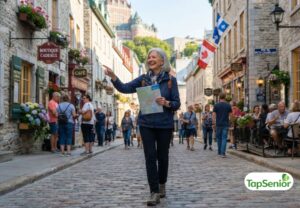
The Benefits of Traveling Alone After Retirement
Many first-time solo travelers worry about loneliness. Surprisingly, experienced solo travelers often report exactly the opposite.
Traveling alone encourages personal growth in ways that group travel sometimes cannot.
Complete Flexibility
Perhaps the greatest advantage is freedom.
You can:
- Wake up whenever you choose.
- Spend three hours in an art museum.
- Skip attractions that don’t interest you.
- Change plans at any time.
- Extend your stay if you fall in love with a destination.
Every day becomes your own creation.
Greater Self-Confidence
Successfully navigating airports, hotels, transportation systems, and unfamiliar cities builds confidence.
Many seniors discover they are far more capable than they imagined.
After one successful solo trip, future adventures become much less intimidating.
Opportunities to Meet New People
Ironically, solo travelers often meet more people than couples or groups.
When traveling alone, you’re more likely to:
- Start conversations.
- Join group tours.
- Meet fellow travelers.
- Chat with locals.
- Participate in cultural activities.
Many lifelong friendships begin while traveling.
Better Mental Health
Research consistently suggests that travel supports emotional well-being.
Travel encourages:
- Curiosity
- Problem solving
- Physical activity
- Positive emotions
- Reduced stress
- Cognitive stimulation
Many seniors report returning home feeling mentally refreshed and energized.
Rediscovering Independence
Retirement sometimes comes with unexpected life changes, including losing a spouse, becoming an empty nester, or adjusting to new routines.
Solo travel reminds people that they are still capable of creating meaningful experiences independently.
That renewed independence often carries into everyday life.
Common Concerns About Solo Travel
Even experienced travelers occasionally worry before a trip.
Fortunately, most concerns can be managed with careful preparation.
Safety
Safety is usually the biggest concern.
Fortunately, simple habits dramatically reduce risk.
Examples include:
- Staying in well-reviewed accommodations.
- Avoiding poorly lit areas at night.
- Keeping valuables secure.
- Sharing your itinerary with family.
- Using licensed transportation.
- Trusting your instincts.
Preparation is often the best form of protection.
Loneliness
Many seniors worry they’ll feel isolated.
In reality, loneliness rarely lasts long because there are countless opportunities to socialize.
Consider:
- Walking tours
- Cooking classes
- River cruises
- Group excursions
- Community events
- Museum programs
Travel naturally creates conversation.

Health Emergencies
Health concerns deserve careful planning.
Before departure:
- Visit your physician.
- Carry prescriptions.
- Pack extra medication.
- Purchase travel insurance for seniors.
- Research nearby hospitals.
- Carry emergency contact information.
Preparation provides peace of mind.
Language Barriers
Many destinations welcome English-speaking tourists.
When language differences arise:
- Translation apps help tremendously.
- Hotels often provide multilingual staff.
- Tourist attractions usually offer English information.
- Simple phrases go a long way.
A smile remains one of the world’s most effective languages.
Choosing the Right Destination
The destination largely determines how enjoyable your trip becomes.
Rather than selecting the most famous location, choose one that matches your comfort level, interests, and physical abilities.
Consider Walkability
Cities with excellent public transportation and walkable neighborhoods reduce stress.
Examples include:
- Vancouver
- Victoria
- Quebec City
- Edinburgh
- Copenhagen
- Kyoto
Walking allows travelers to experience destinations at a comfortable pace.
Healthcare Availability
Access to quality medical care provides reassurance.
When comparing destinations, consider:
- Nearby hospitals
- Pharmacies
- Emergency services
- English-speaking healthcare providers
Hopefully you’ll never need them but it’s comforting to know they’re available.
Weather
Extreme temperatures can reduce enjoyment.
Many seniors prefer traveling during:
- Spring
- Early summer
- Early autumn
Comfortable weather makes sightseeing much easier.
Pace of Travel
Avoid trying to see everything.
Instead of visiting five cities in ten days, consider spending ten days exploring one region.
A slower pace often leads to richer experiences.
Preparing Your Health Before You Travel
Health preparation begins weeks before departure.
Schedule a Medical Checkup
Your physician can:
- Review medications.
- Discuss vaccinations.
- Evaluate fitness for travel.
- Offer destination-specific advice.
This appointment provides valuable reassurance.
Pack More Medication Than Needed
Unexpected delays happen.
Bring:
- Original prescription bottles.
- Written prescriptions.
- A medication list.
- Several extra days’ supply.
Never pack essential medications in checked luggage.
Stay Active Before Departure
Walking regularly before your trip helps prepare for sightseeing.
Even twenty to thirty minutes daily improves stamina.
Stay Hydrated
Long flights increase dehydration risk.
Drink water regularly before, during, and after travel.
Limit excessive alcohol and caffeine during flights.

Planning Your Budget
One advantage of retirement is flexibility.
Traveling during less busy periods often saves substantial money.
Build a Realistic Budget
Include:
- Flights
- Hotels
- Meals
- Transportation
- Attractions
- Insurance
- Emergency expenses
- Shopping
Leaving room for unexpected costs reduces stress.
Avoid Carrying Large Amounts of Cash
Instead, combine:
- Credit cards
- Debit cards
- Small amounts of local currency
Store backup payment methods separately.
Watch Exchange Rates
If traveling internationally, understand exchange rates before arrival.
Avoid exchanging large amounts at airports whenever possible.
Packing Smart
Packing lightly makes every stage of travel easier.
Choose clothing that mixes and matches easily.
Bring comfortable walking shoes that have already been broken in.
Avoid packing “just in case” items that rarely get used.
Essential Documents
Keep these accessible:
- Passport
- Identification
- Travel insurance information
- Hotel confirmations
- Flight details
- Emergency contacts
- Medication information
Digital copies stored securely online provide additional protection.
Helpful Travel Accessories
Many senior travelers appreciate:
- Lightweight luggage
- Neck pillow
- Compression socks
- Portable charger
- Reusable water bottle
- Small flashlight
- RFID-blocking wallet
- Crossbody bag
These simple items improve comfort throughout the journey.
Building Confidence Before Your First Solo Trip
If you’ve never traveled alone before, start small.
Consider a weekend getaway close to home before planning an international vacation.
Practice:
- Booking hotels.
- Navigating airports.
- Using public transportation.
- Dining alone.
- Exploring independently.
Each successful experience builds confidence for larger adventures.
Remember that confidence isn’t about never feeling nervous. It’s about knowing you can handle unexpected situations calmly.
Many experienced solo travelers admit they still feel butterflies before every trip. The difference is that experience has taught them those feelings quickly disappear once the journey begins.
By preparing carefully, staying flexible, and maintaining realistic expectations, your first solo trip can become the beginning of an exciting new chapter filled with unforgettable experiences and lifelong memories.

Staying Safe While Traveling Alone
One of the biggest keys to enjoying solo travel is feeling secure wherever you go. Fortunately, staying safe doesn’t require being fearful. It simply means developing smart habits that help you avoid unnecessary risks while giving you the confidence to enjoy every destination.
Choose Accommodations Carefully
Your hotel, guesthouse, or vacation rental becomes your home away from home, making it one of the most important travel decisions.
Before booking, look for accommodations that offer:
- Excellent guest reviews
- Secure entrances
- Twenty-four-hour reception
- Elevators if mobility is a concern
- Good lighting around the property
- Easy access to transportation
- Nearby restaurants and pharmacies
Avoid selecting accommodations based solely on price. Spending a little more for a safer location often provides tremendous peace of mind.
Many seniors also appreciate hotels that cater specifically to mature travelers by offering accessible rooms, grab bars, walk-in showers, and concierge services.
Stay Aware of Your Surroundings
Being observant is one of the simplest ways to stay safe.
Avoid walking while distracted by your phone. Instead, pause somewhere safe if you need directions.
Pay attention to:
- Busy intersections
- Public transportation stops
- Nearby businesses
- Emergency exits
- Local customs
Confidence often discourages unwanted attention.
Protect Your Valuables
Carry only what you need each day.
Consider using:
- A crossbody bag
- An anti-theft backpack
- RFID-blocking wallets
- Hotel safes
- Money belts for passports
Keep copies of important documents stored digitally and leave another copy with a trusted family member.
Share Your Travel Plans
Before leaving home, provide someone you trust with:
- Flight information
- Hotel reservations
- Emergency contacts
- Planned destinations
Send occasional updates during your trip.
Knowing that someone knows where you are adds another layer of security.
Choosing the Best Transportation
Transportation often determines how relaxing or stressful a vacation becomes.
Fortunately, today’s seniors have more options than ever before.
Flying
Air travel remains the fastest way to reach many destinations.
To make flying easier:
- Arrive early.
- Request wheelchair assistance if needed.
- Stretch during long flights.
- Stay hydrated.
- Keep medications in your carry-on bag.
- Wear comfortable clothing.
Many airlines also provide priority boarding and special assistance for older passengers.
Trains
Train travel is experiencing a resurgence among retirees.
Benefits include:
- Spacious seating
- Scenic routes
- Less stressful boarding
- Freedom to walk around
- City-center stations
Many travelers find trains more relaxing than airports.
Cruises
For first-time solo travelers, senior-friendly cruises offer an excellent introduction to independent travel.
Cruises eliminate many logistical concerns because transportation, meals, entertainment, and accommodations are included.
Many cruise lines now offer:
- Solo cabins
- Group dining
- Excursions
- Fitness classes
- Educational lectures
- Social activities
You can enjoy independence while still being surrounded by people.
Road Trips
Driving provides unmatched flexibility.
If planning a road trip:
- Schedule frequent rest stops.
- Avoid driving after dark.
- Inspect your vehicle beforehand.
- Keep emergency supplies in your car.
- Download offline maps.
A slower pace often creates the most memorable journeys.
Finding the Right Accommodation
Not every traveler enjoys the same style of lodging.
Fortunately, today’s seniors have numerous choices.
Hotels
Hotels remain the most popular option.
Advantages include:
- Daily housekeeping
- Front desk assistance
- On-site dining
- Security
- Concierge services
Many chain hotels also maintain consistent standards across multiple locations.
Vacation Rentals
Vacation rentals offer additional space and kitchen facilities.
These are ideal for:
- Longer stays
- Cooking meals
- Traveling with mobility equipment
- Quiet neighborhoods
Always read reviews carefully before booking.
Senior Travel Groups
Some organizations specialize in guided tours for seniors.
These tours often include:
- Transportation
- Hotels
- Meals
- Tour guides
- Cultural experiences
They’re perfect for travelers who enjoy meeting others while avoiding complicated planning.
Making Friends While Traveling
Traveling alone doesn’t mean spending every moment alone.
In fact, many solo travelers make meaningful connections during their journeys.
Join Walking Tours
Walking tours naturally encourage conversation.
Topics often include:
- Local history
- Architecture
- Food
- Culture
These shared experiences make introductions feel natural.
Attend Local Events
Check community calendars for:
- Farmers’ markets
- Concerts
- Festivals
- Museum programs
- Cultural celebrations
Local events provide authentic experiences while meeting residents.
Participate in Classes
Many destinations offer:
- Cooking lessons
- Art workshops
- Photography classes
- Wine tastings
- Dance instruction
Learning together often leads to lasting friendships.
Eat at Community Tables
Some restaurants intentionally seat solo diners together.
This creates easy opportunities for conversation without pressure.
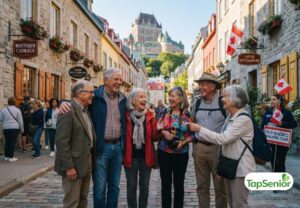
Using Technology to Travel Smarter
Technology has become one of the greatest travel companions for older adults.
Navigation Apps
Digital maps reduce stress significantly.
Offline maps are especially helpful when internet service becomes unavailable.
Translation Apps
Language barriers are much smaller today.
Many translation apps can:
- Translate conversations
- Read restaurant menus
- Interpret street signs
- Convert text using your phone’s camera
These tools encourage confidence in unfamiliar places.
Health Apps
Useful features include:
- Medication reminders
- Emergency medical information
- Fitness tracking
- Step counters
- Blood pressure records
Keeping health information accessible can prove invaluable.
Communication Apps
Video calls help families stay connected regardless of distance.
Regular check-ins also provide reassurance for loved ones back home.
Eating Well While Traveling
Good nutrition helps maintain energy throughout your trip.
While it’s fun to enjoy local cuisine, balance remains important.
Try to include:
- Fruits
- Vegetables
- Lean protein
- Whole grains
- Plenty of water
Avoid skipping meals simply because you’re sightseeing.
Healthy eating supports both physical endurance and mental alertness.
Managing Medications
Medication management deserves careful attention.
Always carry medications in their original containers.
Keep them with you rather than packing them in checked luggage.
Bring:
- Extra doses
- Prescription copies
- Physician contact information
- Pharmacy information
If traveling internationally, research whether any medications require documentation.
International Travel Tips
International travel may seem intimidating at first, but preparation makes it remarkably manageable.
Understand Entry Requirements
Before departure, verify:
- Passport validity
- Visa requirements
- Vaccination recommendations
- Customs regulations
Requirements vary between countries.
Learn Basic Local Phrases
Even learning a few simple expressions demonstrates respect.
Examples include:
- Hello
- Thank you
- Please
- Excuse me
- Where is the restroom?
- Help
Locals generally appreciate the effort.
Respect Cultural Customs
Different cultures have different expectations.
Research:
- Dress codes
- Tipping practices
- Greeting customs
- Religious traditions
Understanding local etiquette creates more meaningful interactions.
Traveling During Different Seasons
Every season offers unique advantages.
Spring
Spring often brings:
- Mild temperatures
- Blooming gardens
- Smaller crowds
- Comfortable walking weather
Summer
Summer offers:
- Longer daylight hours
- Outdoor festivals
- National park access
However, some destinations become crowded.
Autumn
Many experienced travelers consider autumn ideal because of:
- Comfortable temperatures
- Beautiful scenery
- Lower prices
- Reduced crowds
Winter
Winter appeals to seniors seeking:
- Holiday markets
- Warm-weather escapes
- Snow-covered landscapes
- Seasonal cruises
Choose destinations that match your comfort level.
Common Mistakes First-Time Solo Travelers Make
Learning from others’ experiences helps avoid unnecessary stress.
Some common mistakes include:
Overpacking
Heavy luggage quickly becomes exhausting.
Pack only what you’ll actually use.
Scheduling Too Much
Trying to visit every attraction often leads to fatigue.
Leave time for spontaneous discoveries.
Ignoring Rest
Travel can be physically demanding.
Schedule downtime every day.
Skipping Travel Insurance
Unexpected medical expenses can become extremely costly.
Travel insurance for seniors remains one of the smartest investments any traveler can make.
Not Having Backup Plans
Flights get delayed.
Weather changes.
Museums close unexpectedly.
Flexibility allows disappointments to become new adventures instead.
Emotional Rewards of Solo Travel
Many seniors begin traveling alone for practical reasons.
Some no longer have a travel companion.
Others simply don’t want to wait for friends or family.
What surprises many travelers is how deeply meaningful solo travel becomes.
Travel encourages reflection.
It reminds us that learning never stops.
It shows us that independence doesn’t disappear with age.
Instead, every successful journey builds confidence for the next one.
Many solo travelers return home feeling:
- More capable
- More optimistic
- More adventurous
- More connected to the world
- More appreciative of everyday life
These emotional benefits often last far longer than the vacation itself.
Frequently Asked Questions
Is solo travel safe for seniors?
Yes. With proper planning, good accommodations, awareness of your surroundings, and travel insurance for seniors, solo travel can be both safe and rewarding.
What is the best age to start solo traveling?
There is no perfect age. Many people begin traveling independently in their 60s, 70s, or even 80s. Physical health, preparation, and confidence matter far more than age.
Which destinations are best for first-time solo senior travelers?
Many first-time travelers enjoy destinations known for safety, reliable transportation, and welcoming communities, such as Canada, Japan, Portugal, Ireland, New Zealand, and several Scandinavian countries.
Should I join organized tours?
Organized tours can be an excellent option, especially if you want local expertise and opportunities to meet fellow travelers while still enjoying personal free time.
How much should I budget?
Costs vary depending on your destination, travel style, and trip length. Building a budget that includes transportation, accommodations, meals, sightseeing, insurance, and emergency funds will help ensure a more relaxed and enjoyable experience.
Final Thoughts
Traveling alone as a senior is not about proving anything to anyone. It is about giving yourself permission to continue exploring, learning, and experiencing the world on your own terms.
Every journey begins with a single decision the decision to say yes to a new adventure. Whether your dream is to watch the Northern Lights, stroll through historic European streets, relax on a tropical beach, explore Canada’s breathtaking national parks, or simply enjoy a peaceful weekend in a nearby town, solo travel allows you to create memories that are entirely your own.
The beauty of solo travel for seniors lies in its freedom. You set the pace, follow your interests, and embrace unexpected discoveries without compromise. Along the way, you’ll gain confidence, meet inspiring people, experience new cultures, and often return home with a renewed appreciation for life’s endless possibilities.
Remember that successful travel isn’t measured by the number of countries you visit or the miles you cover. It’s measured by the moments that make you smile, the friendships you form, the lessons you learn, and the confidence you gain with every step.
So pack thoughtfully, plan wisely, stay curious, and never let age define your sense of adventure. The world remains full of extraordinary places waiting to welcome you, and there is no better time than now to begin your next chapter. Your greatest adventure may still be ahead.
Bài viết liên quan: