
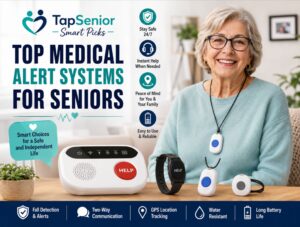
TapSenior Smart Picks: Top Medical Alert Systems for Seniors. Growing older brings many wonderful opportunities to enjoy retirement, spend more time with family, and focus on hobbies that may have been put aside during busy working years. At the same time, aging also introduces new health and safety concerns that should never be ignored. Falls, sudden illnesses, dizziness, heart problems, and unexpected medical emergencies can happen without warning. While these situations are concerning, modern technology has made it easier than ever for older adults to receive immediate assistance when every second matters.
One of the most valuable innovations for independent aging is the medical alert system. These devices are designed to provide seniors with a quick and reliable way to contact emergency responders, family members, or caregivers with the simple press of a button. Whether living alone, staying with family, or residing in an assisted living community, the right alert system can dramatically improve safety while providing confidence and peace of mind.
At TapSenior, we believe that remaining independent should never mean sacrificing personal safety. That’s why we’ve created this comprehensive guide to help older adults and caregivers understand today’s best medical alert systems for seniors, the features that truly matter, and how to choose the right solution for different lifestyles and health needs.
In this Smart Picks guide, you’ll learn how personal emergency response systems, fall detection devices, GPS medical alert systems, and home medical monitoring solutions work together to create a safer daily life. We’ll also explain which features are worth paying for, common mistakes to avoid, and what families should consider before making a purchase.
Whether you’re shopping for yourself, a parent, grandparent, or another loved one, understanding these devices can make all the difference in protecting independence while ensuring help is always within reach.
Why Medical Alert Systems Have Become Essential for Seniors
For many older adults, the biggest fear isn’t necessarily falling it’s falling and being unable to call for help.
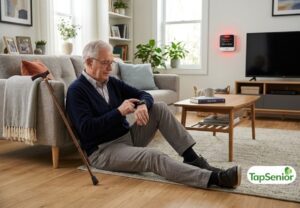
According to health experts, falls remain one of the leading causes of injury among adults over 65. Even seemingly minor falls can result in broken bones, head injuries, or long periods spent on the floor waiting for assistance. The longer someone remains without medical attention after an accident, the greater the risk of complications such as dehydration, pressure injuries, or muscle damage.
A medical alert device helps reduce this risk dramatically.
With a simple button press or automatically through advanced fall detection help can be dispatched immediately.
But these systems aren’t only designed for falls.
They also provide valuable assistance during situations such as:
- Chest pain
- Difficulty breathing
- Sudden dizziness
- Stroke symptoms
- Diabetic emergencies
- Medication reactions
- Severe weakness
- Confusion or disorientation
Having instant access to emergency support allows seniors to continue living independently without feeling isolated or vulnerable.
Family members also gain reassurance knowing that their loved one is connected to assistance 24 hours a day.
Understanding How Medical Alert Systems Work
Many people assume medical alert devices are complicated. Fortunately, today’s systems are surprisingly easy to use.
Most systems include three basic components:
The Emergency Button
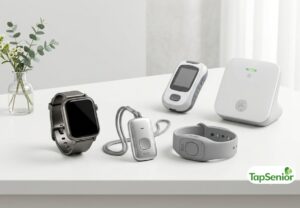
The emergency button is typically worn as:
- A pendant
- A wristband
- A smartwatch
- A belt clip
Whenever assistance is needed, pressing the button immediately contacts a professional monitoring center or designated emergency contacts.
The button is intentionally large, simple, and easy to activate even for seniors with arthritis or limited hand strength.
The Communication Hub
Home-based systems usually include a base station connected through:
- Landline telephone
- Cellular network
- Wi-Fi
- LTE mobile service
Once activated, two-way communication begins immediately.
The operator can assess the situation and determine whether to:
- Call emergency medical services
- Notify family members
- Contact caregivers
- Dispatch neighbors
- Stay connected until help arrives
Monitoring Center
Most premium providers operate professionally staffed monitoring centers available 24 hours a day, 365 days a year.
These trained professionals respond within seconds and know how to handle emergency situations calmly and efficiently.
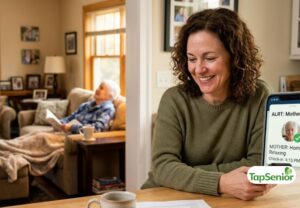
Some newer systems also allow family members to receive smartphone alerts whenever the emergency button is activated.

Who Should Consider a Medical Alert System?
Not every senior has identical healthcare needs, but there are many situations where a personal emergency response system becomes especially valuable.
Seniors Living Alone
Older adults who live independently may have no one nearby to hear a call for help.
A medical alert system ensures assistance is always available even during the middle of the night.
Individuals With Balance Problems
Anyone who has experienced previous falls or struggles with mobility should strongly consider investing in a fall detection medical alert.
Automatic detection provides additional protection if the user cannot press the emergency button.
Seniors Recovering After Surgery
Following hip replacement, knee surgery, heart procedures, or other operations, temporary weakness increases accident risk.
A wearable emergency button provides reassurance throughout recovery.
People With Chronic Health Conditions
Individuals managing conditions such as:
- Parkinson’s disease
- Heart disease
- Diabetes
- COPD
- Epilepsy
- Multiple sclerosis
may benefit significantly from immediate emergency access.
Older Adults With Mild Memory Loss
Some seniors experiencing early cognitive decline may forget phone numbers or become confused during emergencies.
Medical alert devices simplify the process by requiring only one button press.
Home-Based vs Mobile Medical Alert Systems
One of the biggest decisions involves choosing between home-based and mobile systems.
Each offers different advantages.
Home Medical Alert Systems
These systems work inside the home using a central base station.
Advantages include:
- Excellent voice quality
- Reliable communication
- Lower monthly cost
- Long battery life
- Easy setup
They’re ideal for seniors who spend most of their time indoors.
Mobile Medical Alert Systems
Mobile units include cellular connectivity and GPS tracking.
Users remain protected while:
- Shopping
- Walking
- Traveling
- Visiting family
- Attending appointments
- Gardening
- Running errands
Many active older adults prefer GPS medical alert systems because safety extends beyond the home.
Important Features Every Senior Should Look For
Shopping based only on price often leads to disappointment.
Instead, focus on features that truly improve safety.
Automatic Fall Detection
Perhaps the most valuable innovation in recent years is automatic fall detection.
Sophisticated motion sensors recognize sudden impacts followed by inactivity.
If the user cannot respond, the device automatically contacts the monitoring center.
Although no system detects every fall perfectly, this technology significantly increases protection.
GPS Location Tracking
When emergencies happen away from home, responders need accurate location information.
GPS-enabled devices allow monitoring centers to locate users quickly.
This feature is especially useful for seniors who:
- Walk regularly
- Drive independently
- Travel frequently
- Visit parks
- Attend community events
Two-Way Voice Communication
Some wearable devices include built-in speakers and microphones.
Instead of needing a separate phone, users can speak directly with emergency operators.
This is especially valuable if a senior cannot reach their phone after a fall.
Water Resistance
Many falls happen in bathrooms.
Showers and bathtubs are among the highest-risk areas inside any home.
For this reason, waterproof medical alert devices are highly recommended.
Seniors should never need to remove protection before bathing.
Long Battery Life
Battery performance varies considerably.
Some wearable devices require charging every day.
Others last:
- Several days
- Multiple weeks
- Even months
The less frequently a device needs charging, the less likely it is to be forgotten.
Caregiver Mobile Apps
Many newer systems allow family members to monitor loved ones remotely.
Apps may provide:
- Device battery status
- Daily activity summaries
- Emergency notifications
- GPS location
- Check-in reminders
These tools help caregivers remain informed without becoming intrusive.
Medical Alert Watches vs Traditional Pendants
Technology has introduced wearable options that look less like medical equipment.
Today’s buyers often compare medical alert watches with traditional pendants.
Medical Alert Watches
Advantages include:
- Modern appearance
- Built-in GPS
- Health tracking
- Step counting
- Heart rate monitoring
- Voice communication
- Medication reminders
Many seniors appreciate wearing something that resembles a regular smartwatch.
Pendant Systems
Traditional pendants remain popular because they are:
- Lightweight
- Easy to use
- Comfortable
- Familiar
- Long-lasting
- Simple to operate
For seniors with limited experience using technology, pendants often provide the easiest learning curve.
Do Seniors Really Need Fall Detection?
Some people hesitate because fall detection usually increases monthly subscription costs.
However, the benefits often outweigh the additional expense.
Imagine a senior slipping while carrying laundry downstairs.
If they become unconscious or are unable to move, pressing the emergency button may not be possible.
Automatic fall detection provides an additional layer of protection during exactly these situations.
Families frequently report that this single feature gives everyone greater confidence.
Although no sensor can guarantee perfect accuracy, modern systems continue improving every year.
Choosing the Right Monitoring Service
Not all monitoring centers operate at the same level.
Before selecting any provider, ask important questions.
Response Time
Fast response saves lives.
Look for providers known for answering emergency calls within seconds rather than minutes.
Professional Staff
Monitoring specialists should receive ongoing emergency response training.
Experienced operators know how to communicate calmly during stressful situations.
Availability
Medical emergencies don’t follow business hours.
Choose services that provide true 24/7 emergency monitoring every day of the year.
Language Support
Some providers offer multilingual operators.
This may be beneficial for seniors who feel more comfortable speaking in their preferred language.
Family Notifications
Many systems allow simultaneous notification of:
- Adult children
- Neighbors
- Friends
- Caregivers
- Emergency contacts
This keeps everyone informed while professional assistance is on the way.
Common Misconceptions About Medical Alert Systems
Many seniors delay purchasing a device because of outdated assumptions.
Let’s address some of the most common myths.
“I’m Still Healthy.”
Good health today doesn’t eliminate tomorrow’s risks.
Medical emergencies are often unexpected.
Preparedness is always easier than reacting after an accident.
“I’ll Just Use My Phone.”
Phones are valuable but only if they’re nearby.
Many falls occur in places where phones are out of reach.
A wearable emergency alert button remains accessible at all times.
“Medical Alert Devices Make Me Look Old.”
Today’s devices have become significantly more stylish.
Many resemble modern fitness trackers or smartwatches rather than traditional emergency pendants.
For active seniors, they’re simply another useful wearable technology.
“They’re Too Expensive.”
Compared with the financial and emotional costs associated with delayed emergency care, many medical alert subscriptions are surprisingly affordable.
They also provide something that’s difficult to measure in dollars: confidence, independence, and peace of mind.
In the next section of this guide, we’ll compare some of the top medical alert systems for seniors, explore advanced features like health monitoring and caregiver integration, discuss pricing considerations, and help you determine which type of system best fits different lifestyles and budgets.
Comparing the Top Types of Medical Alert Systems
With so many products available today, choosing the right medical alert system for seniors can feel overwhelming. While every provider offers different pricing and features, most devices fall into several broad categories. Understanding these categories makes it easier to identify the solution that best matches a senior’s lifestyle.
In-Home Medical Alert Systems
These systems are designed for seniors who spend most of their time at home. They connect to a base station using either a landline or a cellular network and provide reliable communication within a specified coverage range.
An in-home system is often ideal for older adults who enjoy reading, gardening in their backyard, watching television, or relaxing at home. Since these systems prioritize strong indoor communication, they usually offer excellent audio quality and simple operation.
They are particularly well suited for individuals who have limited mobility or rarely travel beyond their neighborhood.
Mobile Medical Alert Systems
Unlike home-based units, mobile medical alert systems accompany seniors wherever they go.
Whether visiting friends, shopping at the grocery store, attending church services, or walking through the neighborhood, users remain connected to emergency support through nationwide cellular coverage and GPS technology.
These systems are excellent for active retirees who value independence while maintaining a reliable safety net.
Smartwatch Medical Alert Devices
Technology has transformed wearable emergency devices into attractive smartwatches packed with useful features.
Many modern watches now include:
- Heart rate monitoring
- Daily activity tracking
- GPS navigation
- Voice calling
- Medication reminders
- Step counting
- Weather alerts
- Emergency SOS buttons
For seniors already comfortable using smartphones or wearable technology, a smartwatch can combine convenience with enhanced personal safety.
All-in-One Health Monitoring Systems
Some advanced solutions go beyond emergency response.
These comprehensive systems integrate several wellness tools, including:
- Blood pressure tracking
- Pulse monitoring
- Oxygen saturation measurement
- Sleep analysis
- Activity reports
- Caregiver dashboards
Although these systems often come with higher monthly costs, they may provide valuable insights for seniors managing chronic health conditions.

Key Factors to Consider Before Buying
Every family has different priorities, budgets, and healthcare needs. Before purchasing any personal emergency response system, consider the following questions.
Does the Senior Live Alone?
Someone living independently may require a more comprehensive solution than someone sharing a home with family members.
Living alone often increases the importance of:
- Automatic fall detection
- GPS location services
- Two-way communication
- 24/7 monitoring
How Active Is the User?
An active senior who enjoys traveling, exercising, or volunteering will benefit far more from a mobile GPS device than from a home-only system.
Conversely, someone who rarely leaves home may save money with a traditional base station.
Are There Existing Medical Conditions?
Individuals with heart disease, diabetes, Parkinson’s disease, COPD, epilepsy, or mobility limitations may require more advanced monitoring features.
Healthcare providers can often recommend which features are most appropriate based on specific medical concerns.
Is Technology Comfortable to Use?
Some seniors enjoy using smartphones and smartwatches.
Others prefer a large emergency button with straightforward operation.
The easiest system to use is usually the safest one because it is more likely to be worn consistently.
Understanding Monthly Subscription Costs
Unlike many electronic devices, medical alert systems typically involve ongoing monitoring fees.
These subscriptions support:
- Professional monitoring centers
- Cellular network access
- GPS services
- Equipment maintenance
- Customer support
- Emergency dispatch coordination
Monthly costs vary depending on included features.
Basic home systems are generally the most affordable.
Adding GPS tracking, automatic fall detection, health monitoring, or caregiver mobile apps usually increases the monthly subscription.
When comparing providers, always review:
- Equipment fees
- Activation costs
- Shipping charges
- Contract requirements
- Cancellation policies
- Equipment replacement programs
The least expensive option isn’t always the best long-term value.
Reliable emergency response is often worth paying slightly more.
Features Caregivers Should Appreciate
Medical alert systems aren’t designed solely for seniors.
They also provide tremendous benefits for family caregivers.
Adult children frequently worry about aging parents living independently.
Having access to caregiver tools can reduce anxiety while respecting a loved one’s independence.
Many modern systems offer caregiver portals featuring:
- Daily check-in reports
- Device battery status
- GPS location updates
- Emergency alerts
- Activity summaries
- Safe zone notifications
- Contact management
Instead of calling several times each day simply to confirm everything is okay, caregivers can receive updates automatically.
This creates a healthier balance between safety and independence.
Additional Safety Devices That Complement Medical Alert Systems
A medical alert system works even better when combined with other smart home safety products.
Consider adding:
Smart Smoke and Carbon Monoxide Detectors
Connected detectors can send alerts to caregivers if dangerous conditions arise.
Video Doorbells
Video doorbells help seniors identify visitors before opening the door, reducing the risk of scams or unwanted visitors.
Smart Lighting
Motion-activated lighting improves visibility during nighttime bathroom trips and reduces fall risks.
Medication Reminder Devices
Missing medications can lead to preventable medical emergencies.
Automatic medication reminders encourage better adherence to prescribed treatment plans.
Fall Prevention Equipment
Even the best medical alert device should be paired with proactive fall prevention measures such as:
- Grab bars
- Non-slip rugs
- Shower chairs
- Raised toilet seats
- Walking aids
- Improved home lighting
Preventing accidents remains preferable to responding after one occurs.
Common Mistakes Buyers Make
Purchasing a medical alert system is an important decision. Unfortunately, many buyers focus on the wrong factors.
Choosing Based Only on Price
The cheapest device may lack critical safety features such as GPS tracking or automatic fall detection.
Consider value rather than price alone.
Ignoring Battery Life
A device that frequently needs charging is more likely to be left on a bedside table instead of being worn.
Look for systems that fit naturally into the user’s daily routine.
Buying Features That Won’t Be Used
Not every senior needs advanced smartwatch functions.
Some simply need an easy-to-use emergency button with dependable monitoring.
Selecting the right level of technology improves long-term satisfaction.
Forgetting About Comfort
If a device feels heavy, bulky, or uncomfortable, there’s a higher chance it won’t be worn consistently.
Comfort is one of the most overlooked factors in successful long-term use.
Frequently Asked Questions
Are Medical Alert Systems Worth the Cost?
For many seniors, absolutely.
The combination of emergency response, independence, and family reassurance often makes the monthly subscription a worthwhile investment.
The potential costs associated with delayed emergency care can be significantly greater than the cost of maintaining a reliable alert service.
Can Seniors Use Medical Alert Systems Outside the Home?
Yes.
Many GPS medical alert systems work almost anywhere with cellular coverage.
This makes them excellent companions for shopping, travel, community events, medical appointments, and outdoor activities.
Do All Systems Detect Falls Automatically?
No.
Automatic fall detection is usually an optional feature.
Families should verify whether the chosen device includes this capability before purchasing.
Can Family Members Be Contacted Before Emergency Services?
Many providers allow users to customize emergency contact lists.
Depending on the situation, monitoring specialists may first notify family members, caregivers, or trusted neighbors before contacting emergency responders when appropriate.
Are Medical Alert Devices Difficult to Set Up?
Most modern systems are intentionally designed for simplicity.
Many home systems require only plugging in the base station.
Mobile devices typically arrive preconfigured and ready for activation with minimal setup.
Tips for Getting the Most Out of a Medical Alert System
Owning a personal emergency response system is only the first step. Proper use ensures it provides the protection it was designed to deliver.
Here are several practical habits that make these devices more effective.
Wear the device consistently throughout the day rather than leaving it on a nightstand or kitchen counter. Emergencies often happen unexpectedly, and a device that is not being worn cannot provide assistance.
Charge rechargeable devices according to the manufacturer’s recommendations. Establishing a routine, such as charging during breakfast or before bedtime, can help prevent battery-related interruptions.
Test the emergency button periodically if recommended by the provider. Regular testing confirms that the system is functioning correctly and gives users confidence in its operation.
Keep emergency contact information current. If phone numbers change or caregivers move, update the monitoring service so responders can reach the right people quickly.
Discuss the system with family members. Everyone involved should understand how it works, what happens when the button is pressed, and what to expect during an emergency.
How Medical Alert Systems Support Independent Aging
One of the greatest concerns among older adults is losing independence.
Many seniors fear that accepting safety equipment means giving up freedom. In reality, the opposite is often true.
A dependable medical alert system can help older adults remain in their own homes longer by providing immediate access to help if an emergency occurs. Instead of relying on constant supervision, seniors can continue enjoying familiar routines while knowing assistance is always available.
For family members, this technology reduces uncertainty. Adult children who live in another city or even another country gain reassurance that their loved one is never truly alone.
Rather than replacing independence, these devices strengthen it by allowing seniors to continue participating in everyday activities with greater confidence.
The Future of Medical Alert Technology
The next generation of medical alert systems is becoming even more intelligent.
Emerging innovations include:
- Artificial intelligence capable of recognizing unusual activity patterns
- Predictive fall risk analysis
- Voice-controlled emergency activation
- Enhanced health monitoring sensors
- Integration with smart home ecosystems
- Improved battery efficiency
- Faster GPS accuracy
- Expanded telehealth capabilities
These advancements will continue making emergency response more proactive rather than reactive.
As technology evolves, medical alert devices are expected to become smaller, more comfortable, and increasingly capable of supporting healthy aging.
Final Thoughts
Choosing the right medical alert system for seniors is about much more than purchasing a wearable device. It is an investment in confidence, independence, and peace of mind for both older adults and the people who care about them.
The ideal solution depends on each individual’s health, lifestyle, and daily routines. Some seniors may benefit most from a simple in-home emergency button, while others will appreciate the flexibility of a GPS medical alert system that travels wherever they go. Features such as automatic fall detection, 24/7 emergency monitoring, two-way voice communication, and caregiver mobile apps can further enhance safety and provide valuable reassurance.
Remember that no technology can completely prevent accidents. However, the ability to summon help quickly can significantly improve outcomes during medical emergencies and reduce the time between an incident and professional assistance.
At TapSenior, we encourage families to take a proactive approach to healthy aging. By carefully evaluating available options and selecting a dependable medical alert device, seniors can continue living active, independent lives while knowing support is always just a button press away.
Whether you’re helping a parent age safely at home, planning for your own future, or exploring solutions for a loved one, investing in the right emergency alert system today can make tomorrow safer, more comfortable, and far more secure.
Bài viết liên quan: