
Japanese Oldest Doctors: Just Eat These Every Day and You Will Live to 100. Have you ever wondered why Japan consistently ranks among the countries with the highest life expectancy in the world? While advanced healthcare certainly plays a role, many Japanese doctors believe that the true secret to longevity begins long before a person ever needs medical treatment. It starts with simple daily habits, mindful eating, and allowing the body to perform the incredible healing processes it was designed to do naturally.
Across Japan, countless people live healthy, active lives well into their nineties and even beyond one hundred years old. Many continue gardening, walking, volunteering, traveling, and spending meaningful time with their families. Instead of relying on complicated supplements or expensive anti-aging treatments, they often follow eating patterns that have remained largely unchanged for generations.
Several of Japan’s most respected physicians and scientists have spent decades studying why some people age gracefully while others develop chronic diseases much earlier. Their findings consistently point toward one common theme: the human body possesses remarkable self-repair mechanisms when given the proper environment.
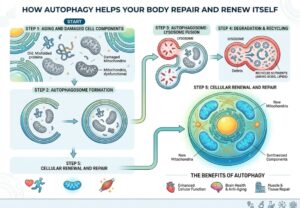
One of the most fascinating discoveries in modern medical science is autophagy, the body’s natural process of cleaning damaged cells and recycling worn-out cellular components. This biological mechanism has transformed how researchers understand aging, immunity, metabolism, and disease prevention. Rather than constantly feeding the body, periods of rest from eating appear to activate important repair systems that help maintain healthier tissues throughout life.
Equally important is the traditional Japanese philosophy of eating until comfortably satisfied instead of completely full. Combined with a diet rich in vegetables, fish, fermented foods, seaweed, soy products, green tea, and whole grains, these habits may contribute significantly to exceptional longevity.
In this comprehensive guide, we’ll explore the wisdom of several influential Japanese doctors whose research has inspired millions around the world. We’ll discuss the science behind healthy longevity, examine the principles of intermittent fasting, understand how autophagy works, and introduce practical dietary habits that may help support healthier aging.
While no food or lifestyle can guarantee a lifespan of one hundred years, decades of scientific research suggest that consistent healthy habits can dramatically improve both lifespan and healthspan the number of years spent living independently, actively, and free from serious disease.

Why Japan Has So Many Healthy Centenarians
Japan has one of the world’s largest populations of centenarians. Researchers have spent decades trying to understand why.
Although genetics certainly influence longevity, scientists estimate that lifestyle contributes much more than inherited genes. Daily routines, eating habits, physical activity, stress management, social connections, and sleep quality all work together to determine how we age.
Unlike many Western diets filled with highly processed foods, traditional Japanese meals emphasize:
- Fresh seasonal vegetables
- Fish rich in omega-3 fatty acids
- Fermented foods
- Soy products
- Seaweed
- Green tea
- Moderate portion sizes
- Minimal added sugar
These dietary habits naturally reduce inflammation while supporting heart health, digestive health, and metabolic balance.
Many Japanese seniors also remain physically active throughout their lives. Walking is part of everyday life, gardening remains a popular hobby, and older adults frequently participate in community activities that help maintain both physical and mental health.
Perhaps most importantly, eating is viewed not simply as satisfying hunger but as nourishing the body for long-term wellness.
The Nobel Prize Discovery That Changed How We Understand Aging
One of the biggest breakthroughs in longevity science came from Japanese cell biologist Yoshinori Ohsumi, whose pioneering work revealed how cells recycle and renew themselves through autophagy. His research transformed scientists’ understanding of cellular maintenance and earned international recognition. Yoshinori Ohsumi
Autophagy literally means “self-eating.”
Despite its unusual name, this process is actually one of the body’s most important survival mechanisms.
Every day, billions of our cells experience damage from:
- Environmental toxins
- Natural aging
- Oxidative stress
- Poor diet
- Lack of sleep
- Infections
- Normal metabolism
Instead of allowing damaged components to accumulate, healthy cells identify broken proteins, worn-out mitochondria, and unnecessary materials before breaking them down and recycling them into new building blocks.
Think of it as a professional cleaning crew constantly working inside your body.
Without this cleaning system, damaged cellular waste would accumulate over time, increasing the risk of numerous chronic diseases.
Scientists now believe autophagy may influence:
- Healthy aging
- Immune function
- Brain health
- Muscle maintenance
- Liver health
- Heart health
- Cellular resilience
Although research continues, the evidence strongly suggests that supporting this natural process may contribute to healthier aging.

Your Body Repairs Itself More Than You Realize
Many people assume healing only occurs after injury.
In reality, the body performs repair work every single day.
While sleeping, hormones regulate tissue recovery.
During fasting, metabolism shifts toward maintenance and repair.
During exercise, muscles rebuild themselves stronger than before.
The human body is remarkably intelligent.
Rather than operating continuously at maximum growth mode, it constantly switches between growth and repair depending on available nutrients and energy.
Modern lifestyles, however, rarely allow this balance.
Frequent snacking, sugary drinks, processed foods, and eating late into the evening may keep insulin levels elevated for much of the day, leaving less opportunity for cellular maintenance.
This does not mean eating is unhealthy.
Instead, it highlights the importance of allowing appropriate periods when digestion can rest.
Supporting cellular health means creating conditions that encourage both nourishment and recovery.
The Power of Intermittent Fasting
Among the most discussed strategies in longevity research is intermittent fasting.
Rather than focusing only on what people eat, intermittent fasting also considers when they eat.
The concept is surprisingly simple.
Instead of eating continuously from early morning until late at night, meals are consumed within a limited eating window, allowing the body several hours without food.
Common schedules include:
- 12-hour fasting
- 14-hour fasting
- 16-hour fasting
For example:
Dinner at 7:00 PM
Breakfast at 9:00 AM
This creates a 14-hour overnight fast.
During this fasting period, insulin gradually decreases while metabolic pathways associated with maintenance become more active.
Importantly, intermittent fasting is not starvation.
The goal is not severe calorie restriction but providing sufficient time for the digestive system to rest.
Many researchers believe this pattern more closely resembles how humans historically ate before constant access to food became available.
What Research Suggests About Fasting
Japanese researcher Takayuki Teruya has explored how fasting influences human metabolism and the body’s production of beneficial metabolites associated with energy regulation and antioxidant defenses. Takayuki Teruya
Research suggests fasting may:
Improve Metabolic Flexibility
Instead of relying exclusively on glucose, the body becomes better at switching between different fuel sources.
Greater metabolic flexibility is associated with healthier energy regulation.
Increase Antioxidant Activity
Oxidative stress damages cells over time.
Studies suggest fasting may stimulate natural antioxidant defenses that help protect tissues from excessive oxidative damage.
Support Cellular Maintenance
Periods without food appear to encourage biological pathways involved in repairing damaged cellular structures.
Although more research is still needed, these findings have attracted tremendous interest among longevity scientists worldwide.
Fasting Is About Timing, Not Deprivation
One common misconception is that fasting means feeling hungry all day.
In reality, healthy intermittent fasting emphasizes consistency rather than suffering.
Many people naturally fast overnight without realizing it.
Simply avoiding unnecessary late-night snacks can significantly extend the body’s overnight recovery period.
Instead of:
Breakfast at 7 AM
Morning snack
Lunch
Afternoon snack
Dinner
Dessert
Late-night snack
A healthier pattern may simply include:
Breakfast
Lunch
Dinner
No food afterward.
This approach naturally lengthens the overnight fasting period.
Many traditional Japanese households have followed similar routines for decades.
Eat Until You Are 80 Percent Full
Perhaps one of Japan’s most famous longevity principles is Hara Hachi Bu.
This Okinawan philosophy encourages people to stop eating when they feel about 80% full instead of completely stuffed.
Although simple, this habit produces several important benefits.
Eating slightly less:
- Reduces excessive calorie intake
- Improves digestion
- Prevents overeating
- Helps regulate blood sugar
- Supports healthy weight management
Unlike restrictive diets, Hara Hachi Bu focuses on awareness rather than counting calories.
Meals become slower.
People appreciate flavors.
Satiety signals have time to reach the brain.
As a result, individuals often consume fewer calories without feeling deprived.
Many longevity experts believe this practice has contributed to Okinawa becoming one of the world’s most famous “Blue Zones,” where people commonly enjoy exceptionally long, healthy lives.
A Legendary Doctor’s Advice on Living Beyond 100
One of Japan’s most admired physicians, Shigeaki Hinohara, remained professionally active well past the age of one hundred and became known for promoting a positive, engaged approach to aging. Shigeaki Hinohara
His recommendations extended far beyond diet.
He encouraged people to:
- Stay curious throughout life.
- Continue learning new skills.
- Walk whenever possible.
- Use stairs instead of elevators.
- Maintain meaningful work or volunteer activities.
- Build strong social relationships.
- Avoid unnecessary stress.
- Eat lightly rather than excessively.
Dr. Hinohara often emphasized that retirement should not mean inactivity.
Purpose gives people a reason to wake up each morning.
Studies consistently show that individuals with strong social engagement tend to experience better mental health, greater independence, and improved longevity.
For him, healthy aging involved nurturing the body, mind, and spirit together.

Small Daily Choices Create Extraordinary Results
Many people search for miracle supplements or secret anti-aging formulas.
Japanese longevity experts offer a different perspective.
Instead of dramatic changes, they recommend small habits repeated consistently over decades.
Examples include:
- Walking every day.
- Sleeping enough.
- Drinking sufficient water.
- Eating more vegetables.
- Limiting processed foods.
- Avoiding constant snacking.
- Practicing mindful eating.
- Supporting autophagy through appropriate meal timing.
None of these habits produce overnight transformations.
However, together they create an environment where the body can perform the repair and maintenance processes it has evolved to do naturally.
This philosophy reflects a broader truth about longevity: exceptional health is rarely built through a single breakthrough. It is usually the result of thousands of healthy decisions made consistently over many years.
The Foods Japanese Longevity Experts Recommend Eating Regularly
While meal timing and fasting are important, Japanese doctors consistently emphasize that food quality matters just as much. The goal is not simply to eat less but to nourish the body with foods that support healthy aging, cellular repair, and long-term wellness.
Traditional Japanese meals are naturally rich in vitamins, minerals, antioxidants, healthy fats, and beneficial plant compounds. Rather than relying on processed foods or excessive amounts of red meat, the focus is on simple, minimally processed ingredients.
Here are some of the foods that appear regularly in the diets of many healthy older Japanese adults.
1. Fresh Vegetables
Vegetables form the foundation of nearly every traditional Japanese meal.
Leafy greens, cabbage, spinach, daikon radish, carrots, pumpkin, mushrooms, onions, and broccoli provide nutrients that help reduce inflammation while supporting digestive health.
Vegetables are rich in:
- Vitamin C
- Vitamin K
- Folate
- Potassium
- Magnesium
- Fiber
- Polyphenols
Fiber is especially important because it feeds beneficial gut bacteria. A healthy gut microbiome has been linked to stronger immunity, improved metabolism, better mental health, and healthier aging.
Japanese meals often include several different vegetables at every sitting rather than relying on a single large serving.
The variety increases nutrient intake naturally.
2. Fatty Fish
Fish has long been one of the primary protein sources in Japan.
Salmon, sardines, mackerel, tuna, and trout provide high-quality protein along with omega-3 fatty acids.
Omega-3 fats support:
- Brain function
- Heart health
- Joint mobility
- Vision
- Healthy inflammation levels
Unlike highly processed meats, fish offers excellent nutrition without excessive saturated fat.
Many longevity researchers recommend replacing several meat-based meals each week with fish.
3. Fermented Foods
One of the defining characteristics of Japanese cuisine is the regular consumption of fermented foods.
These include:
- Miso
- Natto
- Pickled vegetables
- Fermented soy products
Fermented foods introduce beneficial microorganisms while supporting digestive balance.
A healthy digestive system helps absorb nutrients more efficiently and supports immune function.
Among these foods, natto is especially famous.
Made from fermented soybeans, natto contains vitamin K2, protein, probiotics, and several unique compounds associated with cardiovascular health.
Although its taste may require some adjustment for newcomers, it remains one of Japan’s most celebrated longevity foods.
4. Seaweed
Seaweed is another everyday ingredient rarely found in Western diets.
Common varieties include:
- Nori
- Wakame
- Kombu
Seaweed provides:
- Iodine
- Calcium
- Magnesium
- Iron
- Fiber
It is also naturally low in calories while delivering numerous micronutrients.
Adding moderate amounts of seaweed to soups, salads, or rice dishes can increase nutritional variety.
5. Soy Foods
Soy has been consumed in Japan for centuries.
Foods like tofu, edamame, natto, and miso provide plant protein along with beneficial compounds called isoflavones.
These foods may help support:
- Bone health
- Heart health
- Muscle maintenance
- Hormonal balance
Replacing some processed meats with soy-based protein is one practical way to adopt a healthier eating pattern.
6. Whole Grains
Traditional Japanese meals often include rice, but many longevity experts encourage incorporating whole grains whenever possible.
Brown rice, barley, oats, and other minimally processed grains provide:
- Complex carbohydrates
- Fiber
- B vitamins
- Minerals
These foods release energy more gradually than refined grains, helping maintain stable blood sugar levels.

The Wisdom of Dr. Yumi Ishihara
Dr. Yumi Ishihara is well known in Japan for advocating simple lifestyle habits that encourage the body’s natural healing abilities. He has promoted modified fasting approaches and frequently reminds people that many modern health problems are linked to chronic overeating. Yumi Ishihara
According to his philosophy, allowing the digestive system to rest may help the body devote more energy to maintenance and repair.
Some of his recommendations include:
- Drinking fresh vegetable or fruit juice in moderation.
- Avoiding excessive sugar.
- Eating only until comfortably satisfied.
- Creating longer overnight fasting periods.
- Prioritizing whole foods over processed products.
His approach is not about deprivation but about giving the body opportunities to recover naturally.
The Importance of Hydration
Many people focus exclusively on food while forgetting water.
Proper hydration supports nearly every system in the body.
Water helps:
- Transport nutrients.
- Support circulation.
- Regulate body temperature.
- Remove waste products.
- Maintain healthy digestion.
Some Japanese physicians recommend drinking water shortly after waking before eating breakfast.
This simple habit may help replenish fluids lost overnight and prepare the digestive system for the day ahead.
Unsweetened beverages such as green tea are also popular choices.
Rich in catechins and other antioxidants, green tea has been widely studied for its potential role in supporting cardiovascular health and overall wellness.
Dr. Hiromi Shinya’s Philosophy of Digestive Health
Japanese-American gastroenterologist Hiromi Shinya became widely known for emphasizing the importance of digestive health and enzyme-rich foods as part of a healthy lifestyle. Hiromi Shinya
He believed that many chronic illnesses begin with poor digestive habits.
His recommendations generally include:
- Eating more vegetables.
- Choosing fresh fruits.
- Limiting heavily processed foods.
- Reducing excessive meat consumption.
- Drinking enough water.
- Supporting digestive health through balanced eating habits.
Dr. Shinya also encouraged allowing adequate time between dinner and breakfast, giving the digestive system a chance to rest overnight.
While some of his theories remain debated, many of his practical dietary recommendations align with broader public health advice promoting whole-food, plant-forward diets.
Foods That May Reduce the Benefits of Healthy Aging
Japanese longevity experts generally agree that certain foods should be consumed sparingly.
These include:
Sugary Drinks
Soft drinks and sweetened beverages provide large amounts of sugar without meaningful nutrition.
Frequent consumption contributes to blood sugar spikes and excessive calorie intake.
Highly Processed Foods
Packaged snacks, instant meals, and heavily processed products often contain excessive sodium, preservatives, unhealthy fats, and refined carbohydrates.
Excess Refined Sugar
Too much sugar may contribute to obesity, insulin resistance, and chronic inflammation.
Choosing naturally sweet fruits instead of sugary desserts is often a healthier option.
Refined White Flour
Highly refined breads, pastries, and baked goods digest rapidly, causing blood sugar fluctuations.
Whole grains generally provide better nutritional value.
Processed Meats
Bacon, sausages, hot dogs, and similar products should be enjoyed occasionally rather than daily.
Many nutrition guidelines recommend emphasizing fish, legumes, and plant proteins instead.
A Sample Japanese-Inspired Longevity Meal Plan
If you would like to incorporate these principles into your daily life, here’s an example.
Morning
After waking:
- Water
- Light stretching
- Optional green tea
Breakfast:
- Plain yogurt with berries
- Oatmeal
- Green tea
Lunch
- Grilled salmon
- Brown rice
- Miso soup
- Steamed vegetables
- Seaweed salad
Afternoon
- Handful of almonds
- Fresh fruit
Dinner
- Tofu
- Stir-fried vegetables
- Mushrooms
- Small serving of barley or brown rice
Finish dinner early and avoid unnecessary late-night snacking.
Lifestyle Habits That Support a Longer Life
Food is only one piece of the puzzle.
Japanese longevity experts consistently encourage other healthy routines.
Stay Physically Active
Daily walking remains one of the safest and most effective exercises for older adults.
Regular activity supports:
- Heart health
- Muscle strength
- Balance
- Brain function
- Mood
Sleep Well
Most cellular repair occurs during sleep.
Aim for consistent, high-quality sleep each night.
Manage Stress
Chronic stress increases inflammation and negatively affects metabolism.
Meditation, gardening, reading, spending time with family, and enjoying nature may all help reduce stress.
Maintain Strong Relationships
People with meaningful friendships and family connections often experience better emotional health and improved longevity.
Social engagement remains one of the strongest predictors of healthy aging.
Keep Learning
Many Japanese centenarians continue learning new skills throughout life.
Reading, puzzles, music, volunteering, and lifelong education keep the brain active and engaged.

There Is No Single “Magic Food”
One important lesson from Japanese longevity research is that there is no miracle ingredient.
No single fruit, vegetable, tea, or supplement can guarantee exceptional health.
Instead, long life appears to result from combining many healthy habits over many years.
These include:
- Eating mostly whole foods.
- Practicing intermittent fasting when appropriate.
- Supporting autophagy through healthy meal timing.
- Choosing plant-based nutrition more often.
- Staying physically active.
- Maintaining a healthy body weight.
- Sleeping well.
- Managing stress.
- Staying socially connected.
Consistency matters far more than perfection.
Frequently Asked Questions
Can everyone practice intermittent fasting?
Not necessarily. Children, pregnant or breastfeeding women, individuals with eating disorders, and people with certain medical conditions should consult a qualified healthcare professional before making significant dietary changes.
Does autophagy guarantee a longer life?
No. Autophagy is an important biological process involved in cellular maintenance, but longevity depends on many factors, including genetics, lifestyle, environment, access to healthcare, and overall nutrition.
Are supplements necessary?
Most healthy adults can obtain many essential nutrients through a balanced diet. Supplements should only be used when recommended by a healthcare provider or when dietary intake is insufficient.
Is the Japanese diet difficult to follow?
Not at all. Many of its principles can be adopted gradually. Eating more vegetables, replacing processed foods with whole foods, drinking unsweetened tea, and reducing overeating are practical steps almost anyone can begin.
Final Thoughts
The remarkable longevity seen in Japan is not the result of a secret formula or a miracle food. Instead, it reflects a lifetime of thoughtful choices that prioritize balance, moderation, and consistency.
The insights shared by respected Japanese physicians and researchers remind us that the body possesses extraordinary abilities to repair and protect itself when supported by healthy habits. By embracing healthy longevity, encouraging autophagy through sensible meal timing, practicing intermittent fasting where appropriate, choosing nutrient-dense whole foods, and adopting mindful eating, we can create an environment that promotes better health throughout life.
Living to one hundred is never guaranteed, but improving the quality of every year certainly is within our control. Every nutritious meal, every walk, every restful night’s sleep, and every positive lifestyle choice contributes to a healthier future.
Start with one small change today. Over time, those small changes may become the foundation for a longer, stronger, and more vibrant life.
Bài viết liên quan: