
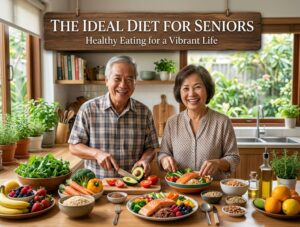
The Ideal Diet for Seniors. As we grow older, nutrition becomes one of the most powerful tools for maintaining independence, preventing chronic diseases, and improving overall quality of life. While aging is a natural process, the foods we eat every day can significantly influence how we feel, move, think, and enjoy life. A healthy eating pattern does far more than simply provide energy. It helps preserve muscle strength, supports brain function, protects the heart, strengthens the immune system, and even reduces the risk of falls and hospitalization.
Many older adults believe that healthy eating requires strict diets or giving up the foods they love. Fortunately, that is far from the truth. The ideal diet for seniors is not about deprivation. Instead, it focuses on making smart food choices that nourish the body while still allowing meals to be enjoyable and satisfying. Fresh vegetables, colorful fruits, whole grains, lean proteins, healthy fats, and plenty of water all work together to create a strong nutritional foundation for healthy aging.
Research continues to show that lifestyle choices, especially nutrition, have a profound impact on longevity. While genetics certainly play a role, daily habits often determine whether our later years are filled with vitality or limited by preventable health problems. Every meal presents an opportunity to fuel the body with nutrients that repair tissues, protect the brain, reduce inflammation, and maintain healthy organs.
Another important aspect of nutrition is personalization. No two seniors have exactly the same nutritional needs, medical conditions, food preferences, or cultural traditions. Someone managing diabetes may require different meal planning than someone recovering from surgery. Others may need to increase protein intake after experiencing muscle loss or focus on hydration if they take medications that increase fluid loss. This is why it’s always wise to discuss significant dietary changes with a healthcare professional or registered dietitian, especially if chronic medical conditions are involved.
In this comprehensive guide, we’ll explore what experts consider the ideal eating pattern for older adults. We’ll discuss the importance of whole foods, why colorful vegetables matter, how healthy fats support the brain, the role of protein in preventing muscle loss, why hydration becomes increasingly critical with age, and how simple herbs and spices can provide impressive health benefits. We’ll also examine one of the world’s healthiest eating patterns the Mediterranean Diet for Seniors and explain why it continues to receive praise from nutrition researchers around the globe.
Whether you’re looking to improve your own health or helping an aging loved one eat better, these practical strategies can help support healthy, active living for years to come.
Why Nutrition Changes as We Age
Aging affects nearly every system in the human body, including metabolism, digestion, muscle mass, bone density, immune function, and even our sense of taste and smell. Because of these natural changes, older adults often require fewer calories but significantly more nutrients.
This creates an important challenge: every calorie needs to count.
For example, many seniors experience:
- Reduced appetite
- Slower metabolism
- Decreased muscle mass
- Changes in digestion
- Lower absorption of certain vitamins
- Reduced thirst sensation
- Difficulty chewing or swallowing
- Medication interactions that affect nutrition
As a result, eating nutrient-dense foods becomes more important than ever.
Instead of focusing on simply eating less, seniors should focus on eating smarter.
Choosing foods rich in vitamins, minerals, antioxidants, fiber, healthy fats, and high-quality protein helps maximize nutrition without excessive calories.
The goal isn’t just living longer.
It’s living healthier, remaining independent, and enjoying everyday activities.
Lifestyle Matters More Than Many People Realize
Many people search for miracle supplements or superfoods that promise to reverse aging.
The truth is much simpler.
Daily habits consistently have a greater impact than any single food or supplement.
Eating nutritious meals every day can help:
- Support healthy blood pressure
- Lower inflammation
- Maintain healthy cholesterol
- Preserve memory
- Protect vision
- Improve mobility
- Strengthen bones
- Enhance immune defenses
- Improve recovery after illness
Healthy eating also works together with regular physical activity, quality sleep, stress management, and social connections to create a complete foundation for successful aging.
Rather than chasing quick fixes, focus on building sustainable eating habits that can be maintained for years.

Eat More Real, Whole Foods
One of the simplest yet most effective nutrition principles is to eat foods that are as close to their natural state as possible.
Whole foods generally include:
- Fresh vegetables
- Fruits
- Whole grains
- Beans
- Lentils
- Nuts
- Seeds
- Fresh herbs
- Legumes
These foods naturally contain vitamins, minerals, antioxidants, fiber, and thousands of beneficial plant compounds that work together to support health.
Unlike heavily processed foods, whole foods typically contain fewer artificial ingredients, less sodium, less added sugar, and healthier forms of fat.
Highly processed foods often include:
- Packaged snack foods
- Sugary cereals
- Processed meats
- Fast food
- Candy
- Sweetened beverages
- Frozen meals high in sodium
While enjoying these foods occasionally isn’t necessarily harmful, making them a regular part of the diet may increase the risk of obesity, heart disease, type 2 diabetes, and chronic inflammation.
Choosing whole foods more often allows the body to receive nutrients in their natural balance.
This is one of the cornerstones of healthy eating for seniors.
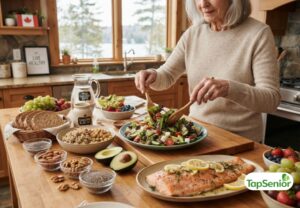
Fill Your Plate with Color
One of the easiest ways to improve nutrition is simply to eat more colors.
Different colored fruits and vegetables contain different antioxidants and protective plant chemicals.
For example:
Green Foods
Examples include:
- Spinach
- Kale
- Broccoli
- Swiss chard
- Romaine lettuce
- Green beans
These foods are rich in:
- Vitamin K
- Folate
- Lutein
- Magnesium
They support:
- Brain health
- Bone strength
- Eye health
- Heart function
Red Foods
Examples include:
- Tomatoes
- Strawberries
- Watermelon
- Red peppers
Rich in lycopene and vitamin C, these foods may help protect the heart and reduce inflammation.
Orange and Yellow Foods
Examples include:
- Sweet potatoes
- Carrots
- Pumpkin
- Mangoes
Excellent sources of beta-carotene, which the body converts into vitamin A for healthy vision and immune function.
Purple and Blue Foods
Examples include:
- Blueberries
- Blackberries
- Eggplant
- Purple cabbage
These contain anthocyanins, antioxidants associated with improved brain health and healthy aging.
Eating a rainbow of produce each week ensures a wide variety of nutrients that work together to protect the body.
Leafy Greens Are Brain Food
Among all vegetables, leafy greens deserve special attention.
Numerous studies have linked regular consumption of leafy green vegetables with better cognitive function.
Spinach, kale, spring mix, collard greens, and romaine lettuce provide valuable nutrients including:
- Vitamin K
- Folate
- Vitamin E
- Lutein
- Beta carotene
These nutrients may help slow age-related cognitive decline.
Some research has even suggested that older adults who regularly consumed about one serving of leafy greens each day demonstrated brain function comparable to people significantly younger than themselves.
Whether added to salads, smoothies, soups, omelets, or sandwiches, leafy greens are among the most nutrient-dense foods available.
If kale isn’t your favorite, don’t worry.
The best vegetable is the one you’ll actually eat consistently.
Consistency matters more than perfection.
Healthy Fats Are Essential for Aging Well
For many years, dietary fat received an unfair reputation.
Today, nutrition science paints a much clearer picture.
The body absolutely requires healthy fats.
Healthy fats support:
- Brain function
- Hormone production
- Healthy skin
- Cell membranes
- Vision
- Nerve function
- Absorption of vitamins A, D, E, and K
Some of the healthiest fat sources include:
- Avocados
- Olive oil
- Walnuts
- Almonds
- Pistachios
- Pecans
- Chia seeds
- Flaxseeds
- Pumpkin seeds
Adding a small serving of healthy fat to each meal improves both nutrition and satisfaction.
Ideas include:
- Avocado on whole-grain toast
- Olive oil on roasted vegetables
- Almonds with oatmeal
- Walnuts in yogurt
- Chia seeds in smoothies
- Pumpkin seeds on salads
Because the human brain consists largely of fat, consuming healthy fats regularly supports cognitive health throughout aging.
Rather than avoiding fat altogether, seniors should focus on choosing the right kinds.
This is an important principle of the best foods for seniors.
Protein Becomes Even More Important After Age 60
One of the biggest nutritional concerns among older adults is muscle loss.
Beginning around age 30, adults naturally start losing muscle mass.
This process accelerates after age 60.
Without adequate protein and physical activity, seniors may experience:
- Reduced strength
- Poor balance
- Increased fall risk
- Slower recovery from illness
- Reduced independence
Protein provides the building blocks for:
- Muscles
- Hormones
- Enzymes
- Immune cells
- Skin
- Hair
- Organs
Instead of eating most protein at dinner, experts increasingly recommend distributing protein throughout the day.
Aim to include protein at:
- Breakfast
- Lunch
- Dinner
- Snacks
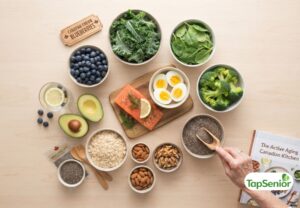
Excellent protein sources include:
Animal-based options:
- Fish
- Chicken
- Turkey
- Eggs
- Greek yogurt
- Cottage cheese
- Lean beef
Plant-based options:
- Lentils
- Chickpeas
- Black beans
- Kidney beans
- Tofu
- Tempeh
- Edamame
- Quinoa
Many vegetables even contribute small amounts of protein, including broccoli, spinach, peas, and potatoes.
Combining protein with regular strength exercises creates one of the most effective strategies for preserving muscle during aging.
In the next section, we’ll explore why hydration for seniors is often overlooked, how herbs and spices can dramatically improve both flavor and health, the remarkable benefits of the Mediterranean Diet for Seniors, practical daily meal ideas, common nutrition mistakes older adults should avoid, and how to build lifelong eating habits that support healthy aging.
Hydration: One of the Most Overlooked Parts of Healthy Aging
When discussing nutrition, people often focus on food while forgetting one of the body’s most important nutrients: water. Staying properly hydrated is essential for every organ and system, yet dehydration is surprisingly common among older adults.
As people age, the body’s natural sense of thirst gradually declines. Many seniors simply do not feel thirsty until they are already mildly dehydrated. Certain medications, chronic medical conditions, reduced mobility, and even concerns about frequent trips to the bathroom may also cause older adults to drink less than they should.
Unfortunately, even mild dehydration can have noticeable effects on physical and mental health.
Proper hydration supports:
- Brain function
- Memory and concentration
- Joint lubrication
- Healthy digestion
- Kidney function
- Body temperature regulation
- Blood circulation
- Muscle performance
- Nutrient transportation throughout the body
Water also plays a major role in maintaining cartilage, which cushions the joints. Since cartilage contains a high percentage of water, staying hydrated may help reduce joint discomfort and improve mobility.
Older adults who remain well hydrated often experience:
- Better mental clarity
- Improved balance
- Fewer falls
- Less constipation
- Better exercise performance
- Reduced dizziness when standing
- Faster recovery after illness
Although individual fluid needs vary depending on body size, activity level, medications, and medical conditions, many healthcare professionals recommend aiming for approximately five to eight 8-ounce glasses of water daily, unless advised otherwise by a physician.
Remember that hydration doesn’t come only from water. Other healthy sources include:
- Herbal tea
- Milk
- Vegetable soups
- Fresh fruits
- Cucumbers
- Watermelon
- Oranges
- Tomatoes
Keeping a reusable water bottle nearby and sipping regularly throughout the day is often easier than trying to drink large amounts all at once.
Hydration remains one of the simplest yet most effective components of healthy aging nutrition.

Don’t Underestimate the Power of Herbs and Spices
Many people think herbs and spices exist only to make food taste better.
In reality, they can also provide impressive health benefits.
Many herbs and spices contain powerful antioxidants and anti-inflammatory compounds that may help protect cells from damage associated with aging.
Some excellent choices include:
Turmeric
Turmeric contains curcumin, a natural compound that has been widely studied for its anti-inflammatory properties.
Researchers continue investigating its potential role in supporting:
- Brain health
- Joint comfort
- Heart health
- Healthy aging
Interestingly, combining turmeric with black pepper greatly improves curcumin absorption.
Cinnamon
Cinnamon has been associated with improved blood sugar management in some individuals and adds natural sweetness without additional sugar.
Sprinkle cinnamon on:
- Oatmeal
- Apples
- Yogurt
- Smoothies
Rosemary
Rosemary contains plant compounds that may support memory and cognitive function while adding wonderful flavor to roasted vegetables and poultry.
Oregano
Rich in antioxidants, oregano works well in soups, salads, pasta dishes, and roasted vegetables.
Thyme
Thyme adds flavor while contributing beneficial plant compounds associated with immune support.
Sage
Sage has traditionally been used in cooking and continues to attract scientific interest for its potential cognitive benefits.
Cardamom
This fragrant spice enhances both sweet and savory dishes while providing antioxidants.
Using herbs and spices regularly allows seniors to reduce salt intake without sacrificing flavor.
Just remember that a little goes a long way.
Fiber: The Unsung Hero of Senior Nutrition
Another nutrient deserving special attention is dietary fiber.
Fiber supports many aspects of health, including:
- Digestive regularity
- Healthy cholesterol
- Blood sugar control
- Weight management
- Gut microbiome health
- Heart health
Because digestion naturally slows with age, constipation becomes increasingly common among seniors.
A high-fiber diet, combined with adequate water intake, can greatly improve digestive comfort.
Excellent fiber sources include:
- Oats
- Whole wheat bread
- Brown rice
- Quinoa
- Lentils
- Beans
- Apples
- Pears
- Berries
- Broccoli
- Brussels sprouts
- Sweet potatoes
Increasing fiber gradually while drinking enough fluids helps prevent bloating and digestive discomfort.
Fiber is another cornerstone of the best diet for seniors.

Why the Mediterranean Diet Is Often Recommended
Among all eating patterns studied by nutrition researchers, few have received as much scientific support as the Mediterranean diet.
Rather than being a strict diet, it represents a lifestyle centered around wholesome, minimally processed foods.
The Mediterranean eating pattern emphasizes:
- Vegetables
- Fruits
- Whole grains
- Legumes
- Olive oil
- Nuts
- Seeds
- Fish
- Moderate dairy
- Limited processed foods
- Limited added sugar
Research has associated this eating pattern with numerous health benefits.
Older adults following a Mediterranean-style diet often demonstrate lower risks of:
- Heart disease
- Stroke
- Type 2 diabetes
- Certain cancers
- Cognitive decline
- Alzheimer’s disease
- Overall mortality
The diet also encourages enjoying meals with family and friends, slowing down while eating, and making food an enjoyable social experience.
This combination of nutritious food and positive lifestyle habits contributes to long-term wellness.
For many experts, the Mediterranean Diet for Seniors remains one of the healthiest eating patterns available.
Building a Healthy Plate
Instead of counting calories or obsessing over individual nutrients, many seniors benefit from using a simple plate method.
Imagine your plate divided into sections.
Half the plate should consist of colorful vegetables.
One-quarter should contain lean protein.
The remaining quarter should include healthy whole grains or other high-quality carbohydrates.
Finish the meal with a healthy fat such as olive oil, avocado, nuts, or seeds.
A balanced lunch might include:
- Grilled salmon
- Brown rice
- Steamed broccoli
- Mixed salad
- Olive oil vinaigrette
- Fresh berries for dessert
This approach naturally provides a balance of carbohydrates, protein, fiber, healthy fats, vitamins, and minerals.
Smart Breakfast Ideas
Breakfast provides an opportunity to fuel both the brain and body for the day ahead.
Healthy options include:
- Oatmeal topped with walnuts, blueberries, and cinnamon
- Greek yogurt with berries and chia seeds
- Vegetable omelet with whole-grain toast
- Cottage cheese with fresh fruit
- Whole-grain avocado toast with eggs
- Smoothie made with spinach, berries, Greek yogurt, and flaxseed
Including protein at breakfast helps maintain muscle while improving fullness throughout the morning.
Nutritious Lunch and Dinner Ideas
Balanced meals don’t need to be complicated.
Simple combinations often work best.
Ideas include:
- Grilled chicken with roasted vegetables
- Lentil soup with whole-grain bread
- Baked cod with quinoa and asparagus
- Turkey chili packed with beans
- Stir-fried tofu with broccoli and brown rice
- Spinach salad topped with grilled salmon and walnuts
Adding colorful vegetables to every meal increases nutrient intake without significantly increasing calories.
Healthy Snacks for Seniors
Nutritious snacks can help maintain energy levels between meals while providing additional vitamins and protein.
Good choices include:
- Apple slices with peanut butter
- Greek yogurt
- Cottage cheese
- Mixed nuts
- Fresh berries
- Baby carrots with hummus
- Hard-boiled eggs
- Roasted chickpeas
- Cheese with whole-grain crackers
- Fresh fruit
Choosing nutrient-rich snacks instead of highly processed foods supports better overall nutrition.
Foods Seniors Should Limit
Healthy eating doesn’t require eliminating favorite treats.
Instead, moderation is key.
Foods worth limiting include:
- Sugary drinks
- Candy
- Pastries
- Processed meats
- Deep-fried foods
- Fast food
- Chips
- Excess sodium
- Highly processed frozen meals
These foods often provide many calories while offering relatively little nutritional value.
Replacing them more often with whole foods creates lasting health benefits.
Nutrition and Physical Activity Work Together
No discussion about nutrition would be complete without mentioning exercise.
Food provides the building materials.
Exercise tells the body where to use them.
Resistance training combined with adequate protein intake helps preserve muscle mass, improve bone strength, maintain balance, and reduce fall risk.
Walking, swimming, chair exercises, yoga, and strength training all complement a nutritious diet beautifully.
The combination of healthy eating and regular physical activity supports active, independent living well into older age.
Common Nutrition Mistakes Older Adults Make
Even well-intentioned seniors sometimes develop eating habits that work against healthy aging.
Some common mistakes include:
Skipping meals because of reduced appetite.
Eating too little protein.
Avoiding all fats instead of choosing healthy fats.
Not drinking enough water.
Relying heavily on processed convenience foods.
Eating very little fruit and vegetables.
Consuming excessive added sugar.
Ignoring portion sizes.
Depending entirely on supplements instead of real food.
Correcting even one or two of these habits can produce meaningful improvements in health over time.
Practical Tips for Maintaining Healthy Eating Habits
Healthy eating doesn’t require perfection.
Small, sustainable changes often produce the greatest long-term success.
Try these practical strategies:
Plan meals before grocery shopping.
Keep healthy snacks within easy reach.
Prepare vegetables ahead of time.
Choose whole grains whenever possible.
Cook larger batches and freeze leftovers.
Eat slowly and enjoy meals with family or friends.
Try one new fruit or vegetable each week.
Use herbs instead of excess salt.
Drink water throughout the day.
Aim for protein at every meal.
Over time, these simple habits become part of everyday life.
Final Thoughts
The ideal diet for seniors isn’t built around fad diets, expensive supplements, or impossible food rules. Instead, it focuses on nourishing the body with wholesome, enjoyable foods that support strength, energy, and long-term health.
Choosing more fresh vegetables, colorful fruits, whole grains, lean proteins, healthy fats, and plenty of water creates a strong nutritional foundation for successful aging. Small additions such as a daily serving of leafy greens, a handful of nuts, or replacing processed snacks with fresh fruit can make a meaningful difference over time.
Equally important is finding an eating pattern that is realistic and enjoyable. Meals should provide not only nourishment but also comfort, satisfaction, and opportunities to connect with family and friends. Nutrition is not simply about preventing disease; it is about preserving independence, maintaining mental sharpness, staying physically active, and continuing to enjoy life’s everyday moments.
For many older adults, following a Mediterranean Diet for Seniors, prioritizing healthy eating for seniors, choosing the best foods for seniors, and practicing proper hydration for seniors offer a practical roadmap toward healthier aging. Combined with regular physical activity, quality sleep, routine medical care, and meaningful social connections, these nutrition habits can help add not only years to life but also life to those years.
Remember that every healthy meal is an investment in your future. It’s never too early or too late to begin making better food choices. Even modest improvements made consistently can have a lasting impact, helping seniors remain healthier, stronger, and more independent for many years to come.
Bài viết liên quan: