
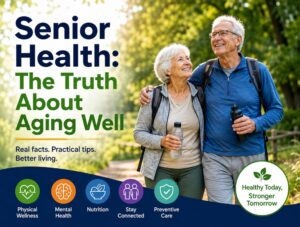
Senior Health: The Truth About Aging Well. Growing older is one of life’s greatest privileges, yet many people fear aging because they associate it with declining health, chronic illness, reduced mobility, and loss of independence. While aging naturally brings changes to the body, science continues to show that many of the conditions people commonly blame on age are actually influenced by lifestyle choices made throughout life. In other words, getting older does not automatically mean becoming weak, frail, or dependent.
Today’s research paints a much more hopeful picture. Adults in their 60s, 70s, and even their 80s can maintain remarkable physical strength, mental sharpness, and emotional well-being when they adopt the right daily habits. A combination of proper nutrition, regular physical activity, quality sleep, stress management, and preventive healthcare can dramatically improve both lifespan and healthspan.
Many seniors assume that once they reach retirement age, there is little they can do to improve their health. Fortunately, that belief is far from the truth. The human body has an incredible ability to heal, adapt, and recover. Healthy choices made today can begin producing measurable improvements within weeks, whether that’s lowering blood pressure, improving cholesterol, stabilizing blood sugar, increasing energy levels, or enhancing mobility.
The real secret is understanding that Senior Health is not about finding miracle supplements or following complicated diets. Instead, it focuses on building consistent habits that nourish the body every day. Small improvements repeated over time often create the biggest transformation.
This guide explores The Truth About Aging Well, explaining what truly changes after age 65, what myths should be ignored, and which evidence-based habits can help older adults stay healthier for decades to come. Along the way, we’ll discuss nutrition, exercise, brain health, vitamins, disease prevention, and the practical lifestyle choices that support Healthy Aging.
Whether you’re planning for your own future or helping an aging parent, you’ll discover that growing older can be one of the healthiest and most rewarding stages of life.
Why Aging Doesn’t Automatically Mean Poor Health
One of the biggest misconceptions about aging is the belief that physical decline is inevitable.
Many people begin experiencing aches, stiffness, fatigue, or chronic illnesses during their 60s. Because these problems appear around retirement age, they naturally assume age itself is responsible.
The reality is much more complex.
Many health problems develop slowly over decades. High cholesterol, elevated blood pressure, poor eating habits, inactivity, chronic stress, and inadequate sleep may quietly damage the body for years before noticeable symptoms appear.
By age 65, these accumulated effects often become visible.
That doesn’t mean aging caused the disease.
Instead, it means years of unhealthy habits finally reached a tipping point.
The encouraging news is that the body remains remarkably responsive to positive changes regardless of age. Improving nutrition, becoming more active, managing weight, and reducing inflammation can still produce significant improvements.
Many adults experience:
- Lower cholesterol
- Better blood pressure
- Improved blood sugar
- Better balance
- Increased strength
- Better mood
- More energy
- Improved sleep
These changes aren’t reserved for younger people.
They can happen well into retirement.
This is why experts increasingly focus on Healthy Lifestyle choices rather than simply accepting disease as an unavoidable part of aging.
What Really Changes After Age 65?
While age itself isn’t the enemy, certain biological changes deserve attention.
Understanding these changes allows seniors to adapt rather than decline.
Reduced Muscle Mass
After age 30, adults naturally lose small amounts of muscle each decade.
Without resistance exercise, this process accelerates after age 60.
Less muscle means:
- Reduced strength
- Poor balance
- Slower metabolism
- Increased fall risk
- Greater difficulty performing daily activities
Fortunately, muscle responds extremely well to strength training, even in people over 80.
Simple resistance exercises performed two or three times each week can significantly rebuild strength.
This is one reason Exercise for Seniors is considered one of the most effective anti-aging strategies available.

Slower Recovery
Older adults generally recover more slowly from illness or injury.
Proper nutrition, adequate sleep, hydration, and physical activity become increasingly important to support recovery.
Ignoring recovery often leads to prolonged weakness that can reduce independence.
Changes in Appetite
Many seniors eat less than they did in middle age.
While reduced calorie needs are normal, eating too little may result in nutritional deficiencies.
Less food often means fewer vitamins and minerals unless meals are carefully planned.
This makes Nutrition for Seniors especially important.
Bone Health
Bone density gradually decreases with age.
Weight-bearing exercise, adequate calcium intake, sufficient vitamin D, and fall prevention all become essential for maintaining strong bones.
The Foundation of Healthy Aging Begins With Nutrition
No medication can completely replace the benefits of a healthy diet.
Food provides the building blocks for every cell in the body.
A balanced eating pattern supports:
- Heart health
- Brain health
- Healthy muscles
- Strong bones
- Better immunity
- Stable blood sugar
- Reduced inflammation
Instead of chasing fad diets, many experts recommend eating a wide variety of minimally processed foods.
The simplest approach includes:
- Fruits
- Vegetables
- Whole grains
- Beans and legumes
- Nuts
- Seeds
These foods naturally contain fiber, antioxidants, vitamins, minerals, and healthy plant compounds that support long-term wellness.
A well-balanced Healthy Diet for Seniors focuses on consistency rather than perfection.
Healthy eating isn’t about restriction.
It’s about giving your body what it needs to function at its best.
The Importance of Eating More Colorful Foods
One easy way to improve nutrition is to “eat the rainbow.”
Different colors represent different protective nutrients.
Orange foods like carrots and sweet potatoes provide beta carotene, which supports vision and immune function.
Red foods such as tomatoes contain lycopene, a powerful antioxidant associated with heart health.
Blue and purple fruits like blueberries and blackberries provide anthocyanins that help support memory and brain function.
Green vegetables supply:
- Folate
- Vitamin K
- Calcium
- Iron
- Fiber
Leafy greens are among the healthiest foods older adults can eat.
Adding colorful fruits and vegetables throughout the day naturally increases nutrient intake without complicated meal planning.
These foods also help reduce inflammation, one of the major contributors to chronic disease.

Fiber: The Nutrient Most Seniors Need More Of
Fiber often receives less attention than protein or vitamins, but it plays an enormous role in healthy aging.
Fiber supports:
- Digestive health
- Blood sugar control
- Cholesterol management
- Healthy gut bacteria
- Weight management
A healthy digestive system depends on beneficial bacteria living in the intestines.
These bacteria thrive on fiber found in whole plant foods.
When seniors regularly eat vegetables, fruits, beans, oats, and whole grains, they feed these beneficial microbes.
Healthy gut bacteria may contribute to:
- Better immunity
- Reduced inflammation
- Improved digestion
- Better metabolic health
Modern research increasingly links gut health with brain health as well.
Supporting your digestive system may also support cognitive function later in life.
Is Protein More Important After Age 65?
Protein is certainly important for preserving muscle.
However, many seniors worry excessively about not getting enough protein.
Most older adults who eat balanced meals throughout the day already consume adequate amounts.
Excellent protein sources include:
- Beans
- Lentils
- Chickpeas
- Tofu
- Tempeh
- Soy foods
- Whole grains
- Nuts
- Seeds
Instead of focusing only on protein powders or expensive supplements, seniors benefit more from eating balanced meals combined with resistance exercise.
Muscles grow stronger when nutrition and activity work together.
This combination helps maintain independence and supports Healthy Aging far more effectively than increasing protein alone.
Why Exercise Becomes Even More Important With Age
Physical activity is often described as medicine.
Unlike medicine, however, it provides dozens of benefits simultaneously.
Regular movement improves:
- Heart health
- Brain function
- Joint mobility
- Mood
- Sleep
- Blood sugar
- Balance
- Muscle strength
- Bone density
Perhaps most importantly, exercise preserves independence.
The ability to climb stairs, carry groceries, travel, garden, or play with grandchildren depends largely on maintaining strength and endurance.
Experts recommend combining several types of activity.
Walking
Walking remains one of the safest and most effective exercises for older adults.
Even a brisk 30-minute walk most days of the week offers tremendous cardiovascular benefits.
Strength Training
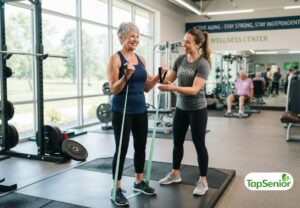
Lifting weights or using resistance bands helps preserve muscle and bone.
It also improves balance and reduces fall risk.
Flexibility
Stretching helps maintain mobility and reduce stiffness.
Balance Exercises
Simple balance training lowers the likelihood of falls, one of the leading causes of injury among seniors.
Building these habits consistently creates a powerful foundation for lifelong Senior Health.
Why Staying Active Matters More Than Your Age
One remarkable truth about aging is that the body responds to movement regardless of how old you are.
Research consistently demonstrates that older adults can increase muscle strength, improve endurance, and enhance cardiovascular fitness with regular exercise.
In fact, some people in their 70s outperform inactive adults decades younger.
The difference isn’t simply genetics.
It is lifestyle.
Daily movement keeps joints lubricated, muscles active, circulation healthy, and the brain stimulated.
Even modest improvements can make everyday activities easier and more enjoyable.
The goal isn’t becoming an elite athlete.
The goal is maintaining the ability to live independently for as long as possible.
Every walk, every stretch, and every strength-training session contributes to a healthier future.
Essential Vitamins Older Adults Should Pay Attention To
Although food should always come first, certain nutrients deserve additional attention as people age.
Vitamin B12
Vitamin B12 supports:
- Healthy nerves
- Red blood cell production
- Brain function
Deficiency may develop gradually and sometimes produces few symptoms until significant damage occurs.
Older adults should discuss B12 screening or supplementation with their healthcare provider.
Vitamin D
Vitamin D helps:
- Maintain bone strength
- Improve calcium absorption
- Support immune function
- Promote muscle health
Since many seniors spend less time outdoors, vitamin D deficiency becomes increasingly common.
Healthcare professionals often recommend testing vitamin D levels before deciding on supplementation.
Iodine
Iodine supports healthy thyroid function.
Low iodine intake may contribute to fatigue, sluggishness, dry skin, and reduced energy.
Good dietary sources include iodized salt and sea vegetables, though individual needs vary.
Omega 3 Fatty Acids
Omega 3 fats support:
- Brain health
- Eye health
- Heart health
Plant-based sources such as flaxseed, chia seeds, walnuts, and algae-based supplements can help older adults meet their needs.
Before taking any supplement, seniors should consult their healthcare provider to determine what is truly necessary.
Choosing supplements based on medical advice rather than marketing claims is one of the smartest decisions for long-term Healthy Aging.
Can You Improve Your Health After 70 or Even 80?
One of the most encouraging discoveries in modern medicine is that it is rarely too late to improve your health. Many people believe that once they reach their 70s or 80s, the opportunity to become healthier has already passed. Fortunately, research tells a different story.
The human body constantly repairs itself. Blood vessels can become healthier, muscles can grow stronger, and the brain continues to form new neural connections throughout life. While aging cannot be stopped, the rate of decline can often be slowed dramatically through healthy daily habits.
Older adults who begin eating nutritious meals, exercising regularly, sleeping better, and managing chronic conditions often notice improvements such as:
- More energy throughout the day
- Better balance and coordination
- Lower blood pressure
- Healthier cholesterol levels
- Better blood sugar control
- Improved mood
- Reduced joint discomfort
- Increased independence
The goal is not simply to live longer but to enjoy a higher quality of life. This is the heart of Healthy Aging, focusing on adding life to your years as much as adding years to your life.

Brain Health Should Be a Daily Priority
Many seniors worry about memory loss and cognitive decline more than almost any other aspect of aging.
Although no single food or activity can guarantee protection against dementia, research shows that several lifestyle habits are strongly associated with maintaining Brain Health.
Eat More Leafy Greens
Green vegetables provide vitamins, minerals, antioxidants, and plant compounds that help protect brain cells from oxidative stress.
Excellent choices include:
- Spinach
- Kale
- Broccoli
- Swiss chard
- Collard greens
Adding leafy vegetables to lunch and dinner several times each week is one of the simplest ways to support long-term cognitive health.
Enjoy More Berries
Blueberries, strawberries, raspberries, and blackberries are rich in antioxidants known as anthocyanins.
These compounds may help reduce inflammation and support healthy communication between brain cells.
Adding fresh or frozen berries to oatmeal, yogurt, or smoothies makes an easy brain-friendly breakfast.
Stay Mentally Active
The brain benefits from regular challenges.
Activities that stimulate the mind include:
- Reading books
- Learning new skills
- Playing musical instruments
- Solving puzzles
- Learning another language
- Playing strategy games
Keeping the brain active may help preserve cognitive function well into later life.
Stay Socially Connected
Loneliness has become a growing public health concern among older adults.
Regular interaction with family, friends, neighbors, volunteer groups, and community organizations helps support emotional well-being and cognitive health.
Social engagement is an important part of Healthy Lifestyle habits that are often overlooked.
The Truth About Supplements
Walk into any pharmacy and you’ll find hundreds of products promising youthful energy, stronger memory, better joints, and longer life.
Unfortunately, many supplements offer far less than their advertising suggests.
Most experts agree on several important principles.
First, food should remain the primary source of nutrition.
Whole foods contain thousands of naturally occurring compounds that work together in ways supplements cannot fully replicate.
Second, supplements should address actual deficiencies rather than imagined ones.
Blood tests and discussions with healthcare providers help determine whether supplementation is necessary.
Third, more is not always better.
Taking excessive amounts of vitamins or minerals may actually become harmful.
Building a healthy diet first and using supplements wisely creates a far stronger foundation for Senior Health than relying on pills alone.
Managing Chronic Diseases Through Healthy Living
Many adults over age 65 live with at least one chronic condition.
The most common include:
- High blood pressure
- Type 2 diabetes
- High cholesterol
- Arthritis
- Heart disease
While medication often plays an important role, lifestyle changes can significantly improve overall health.
Heart Disease
A heart-friendly lifestyle includes:
- Eating plenty of vegetables
- Choosing whole grains
- Limiting highly processed foods
- Staying physically active
- Maintaining a healthy weight
- Avoiding tobacco
- Managing stress
These habits support Heart Health and may reduce future cardiovascular risks.
Type 2 Diabetes
Healthy eating combined with regular physical activity helps improve insulin sensitivity and blood sugar control.
Many people experience meaningful improvements after adopting healthier eating patterns under medical supervision.
Arthritis
Movement is often one of the best treatments for stiff joints.
Gentle exercise helps improve flexibility, strengthen muscles surrounding joints, and reduce discomfort.
Remaining inactive usually worsens stiffness over time.
Why Strength Training Is Essential
Many older adults assume walking alone is enough exercise.
Walking is excellent, but strength training offers unique benefits that walking cannot fully provide.
Resistance exercises help:
- Preserve muscle
- Strengthen bones
- Improve posture
- Reduce fall risk
- Increase metabolism
- Support healthy weight
Simple equipment such as resistance bands, light dumbbells, or even bodyweight exercises can produce impressive results.
Examples include:
- Chair squats
- Wall push-ups
- Seated leg raises
- Resistance band rows
- Standing calf raises
Two or three sessions each week can dramatically improve strength and confidence.
Strength training is one of the most effective tools available for maintaining Exercise for Seniors routines that support independence.

The Gut Plays a Bigger Role Than You Think
Scientists now recognize the digestive system as one of the body’s most important health centers.
Trillions of beneficial bacteria live inside the intestines.
Together they influence:
- Digestion
- Immune function
- Metabolism
- Mood
- Brain health
- Inflammation
A healthy gut thrives on dietary fiber.
Excellent sources include:
- Beans
- Lentils
- Oats
- Brown rice
- Apples
- Pears
- Broccoli
- Brussels sprouts
Regularly eating these foods nourishes beneficial bacteria and supports overall wellness.
On the other hand, diets dominated by highly processed foods may negatively affect the balance of gut bacteria.
Supporting the gut is another important aspect of Nutrition for Seniors that deserves more attention.
Healthy Habits That Make the Biggest Difference
Improving health does not require perfection.
Small habits repeated consistently create lasting results.
Consider adopting these daily practices:
Stay Hydrated
Older adults often experience a reduced sense of thirst.
Drink water regularly throughout the day, even if you don’t feel thirsty.
Sleep Well
Aim for seven to eight hours of quality sleep whenever possible.
Good sleep supports immunity, memory, mood, and recovery.
Maintain a Healthy Weight
Extreme dieting is rarely necessary.
Instead, focus on eating nutrient-rich foods while staying physically active.
Keep Moving Throughout the Day
Avoid sitting for long periods.
Stand, stretch, or walk every hour whenever possible.
Schedule Preventive Checkups
Routine medical visits help detect problems early, when they are often easier to treat.
Preventive care remains an essential part of Senior Health.
Common Myths About Aging
Myth 1: Feeling Weak Is Just Part of Getting Older
Truth: Weakness is often related to inactivity, poor nutrition, or untreated medical conditions rather than age itself.
Myth 2: Seniors Need Complete Rest
Truth: Regular movement actually improves strength, balance, and mobility.
Myth 3: Memory Loss Is Always Normal
Truth: Mild forgetfulness can occur, but significant memory decline should always be discussed with a healthcare professional.
Myth 4: It’s Too Late to Change
Truth: Healthy habits provide benefits at every age.
Even individuals in their 80s and 90s can improve strength, mobility, and overall quality of life.
Myth 5: Supplements Can Replace Healthy Eating
Truth: No supplement can substitute for a balanced diet rich in whole foods.
Building Your Personal Healthy Aging Plan
Rather than trying to change everything overnight, focus on gradual improvements.
Week 1
Add one extra serving of vegetables each day.
Week 2
Walk for 20 to 30 minutes five days each week.
Week 3
Begin two simple strength-training sessions.
Week 4
Replace sugary snacks with fresh fruit and nuts.
Week 5
Improve bedtime habits for better sleep.
Week 6
Schedule preventive health screenings and discuss nutrition with your healthcare provider.
Small improvements accumulate surprisingly quickly.
Within months, many people notice greater energy, better mobility, improved laboratory results, and a renewed sense of confidence.
Supporting Emotional Well-Being
Good health is about far more than physical fitness.
Mental and emotional wellness are equally important.
Older adults often experience major life transitions including retirement, changes in family roles, or the loss of loved ones.
Healthy coping strategies include:
- Spending time with family
- Joining community organizations
- Volunteering
- Pursuing hobbies
- Practicing gratitude
- Meditation or mindfulness
- Staying connected with friends
A positive outlook and meaningful social relationships contribute significantly to Healthy Lifestyle habits that promote longevity.
Final Thoughts
The truth about aging well is both encouraging and empowering.
Growing older does not automatically mean becoming unhealthy, dependent, or inactive. While certain biological changes occur naturally with age, many of the conditions traditionally associated with aging are strongly influenced by daily lifestyle choices. Every nutritious meal, every walk around the neighborhood, every strength-training session, and every good night’s sleep contributes to a healthier future.
The most successful older adults are not necessarily those with perfect genetics. They are often the ones who consistently invest in their health through smart nutrition, regular movement, meaningful relationships, preventive medical care, and lifelong learning. These habits work together to protect the heart, strengthen muscles, preserve memory, support healthy digestion, and improve emotional well-being.
Remember that Healthy Aging is a journey rather than a destination. There is no perfect age to begin making healthier choices because the best time is always today. Whether you are 55, 65, 75, or even 85, your body still has an incredible capacity to adapt and improve.
By embracing Senior Health, prioritizing Nutrition for Seniors, maintaining Exercise for Seniors, protecting Brain Health, and committing to a Healthy Lifestyle, you give yourself the greatest opportunity to enjoy more active years, greater independence, and a richer quality of life.
Aging is inevitable, but how well you age is influenced far more by your daily choices than by the number of candles on your birthday cake. The truth about aging well is simple: healthy habits practiced consistently remain one of the most powerful medicines available for living a longer, stronger, and happier life.
Bài viết liên quan: